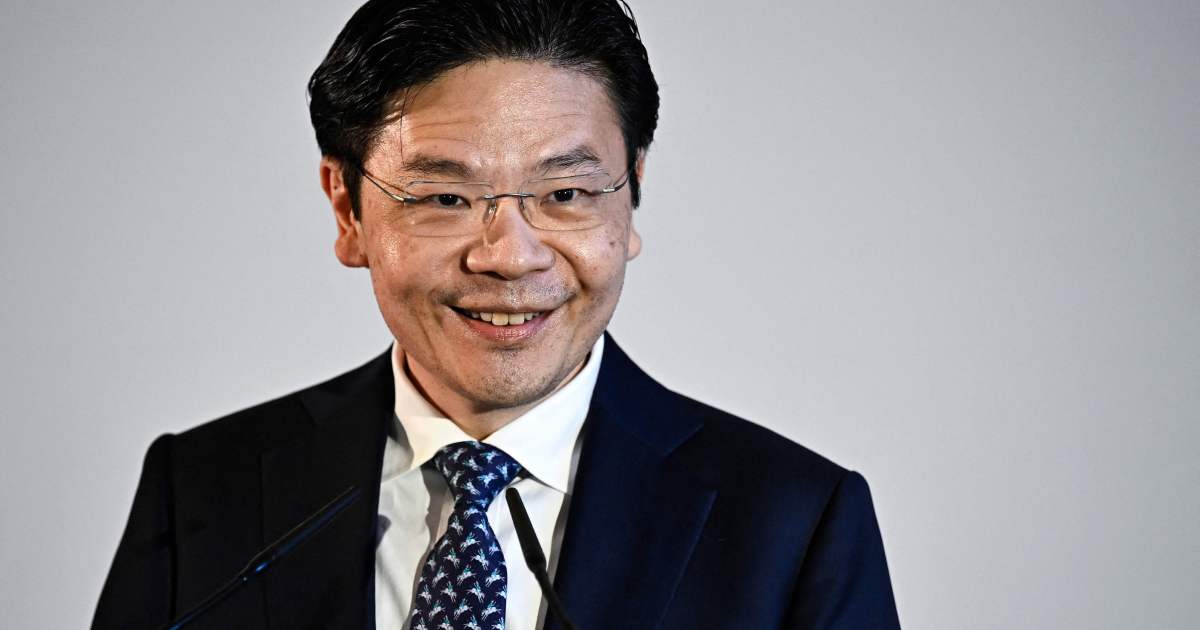
Prime Minister Lawrence Wong has announced a substantial restructuring of Singapore's Cabinet, introducing new political appointments and repositioning existing leaders as part of a deliberate government succession strategy. The moves, unveiled on Wednesday, follow the departure of several senior political figures in recent months and signal the administration's efforts to refresh its leadership ranks while managing continuity in governance.
The cabinet reshuffle reflects the broader pattern of planned leadership transitions that Singapore's government has been navigating since Wong assumed the Prime Minister's office. As the city-state's fourth premier since independence, Wong has been tasked with overseeing the orderly handover from previous administrations while establishing his own governing vision and team composition. These latest changes represent a critical moment in that ongoing process, allowing Wong to consolidate his authority while elevating new voices into positions of ministerial responsibility.
Singapore's approach to cabinet management carries particular significance for Southeast Asia's broader political landscape. The city-state's administrative apparatus is closely watched by other regional governments for lessons in institutional stability and meritocratic advancement. The manner in which Wong conducts these transitions—balancing generational renewal with governmental experience—will likely influence perceptions of political stability not just domestically but across the region, where investors and observers monitor leadership changes as indicators of predictability and governance quality.
The resignations that preceded this reshuffle had sparked considerable discussion about the pace of generational change within Singapore's government. While the specific details of departing ministers' decisions remain varied, their exits collectively created space for Wong to reshape the Cabinet according to his strategic priorities. This reshuffling exercise thus serves a dual purpose: accommodating the turnover that naturally occurs within long-serving governments while enabling the Prime Minister to place trusted allies and promising administrators into key portfolios.
Cabinet positions in Singapore carry weighty responsibilities given the concentrated nature of the city-state's governance and its densely interconnected economy. Ministers overseeing finance, defence, foreign affairs, and home affairs directly influence policies that affect millions of residents and shape Singapore's position within regional and global systems. The individuals selected for these roles therefore carry expectations not merely to manage their portfolios competently but to serve as de facto ambassadors for Singapore's developmental model and strategic interests across multiple constituencies.
Wong's cabinet composition choices will reveal priorities regarding economic management, social policy, and international positioning during a period when Singapore faces evolving geopolitical pressures and domestic challenges. The new appointments may indicate whether the administration intends to shift emphasis toward particular sectors, demographic concerns, or regional relationships. For Malaysian observers and investors with significant ties to Singapore's economy, these leadership decisions carry direct implications for bilateral cooperation on trade, shared security interests, and cross-border affairs.
The timing of this reshuffle also merits consideration within Singapore's political calendar and institutional rhythms. Cabinet restructurings rarely occur in isolation but typically align with longer-term administrative planning, upcoming policy initiatives, or changing international circumstances. Wong's choice to implement these changes now suggests the administration has concluded that this moment optimally serves both internal renewal and the effective execution of its governing agenda over the medium term.
The individuals elevated into new positions join an administrative structure that operates with characteristic efficiency and institutional discipline. Singapore's civil service culture emphasizes competence, accountability, and consensus-building across bureaucratic divisions. Newly appointed ministers must therefore integrate quickly into this established operational framework whilst bringing their own perspectives to ministerial portfolios. This balance between institutional continuity and leadership renewal remains central to Singapore's administrative philosophy.
For regional observers, Singapore's cabinet dynamics matter because the city-state punches above its weight diplomatically and economically. Senior ministers regularly engage in bilateral and multilateral forums where they represent not only their domestic constituencies but serve as influential voices shaping regional conversations on everything from trade rules to security arrangements. Changes in Singapore's ministerial ranks thus ripple outward, affecting the composition of regional groupings like ASEAN and the networks of cooperation through which Southeast Asian governments coordinate positions.
Wong's reshuffle should be understood as part of a broader institutional lifecycle within Singapore's government. The transitions underway reflect both the inevitable retirement of long-serving administrators and Wong's prerogative to build a Cabinet aligned with his governing philosophy. These appointments carry weight for how Singapore manages its continued economic development, regional responsibilities, and domestic social cohesion during an era marked by technological disruption, geopolitical realignment, and demographic shifts across Asia.

