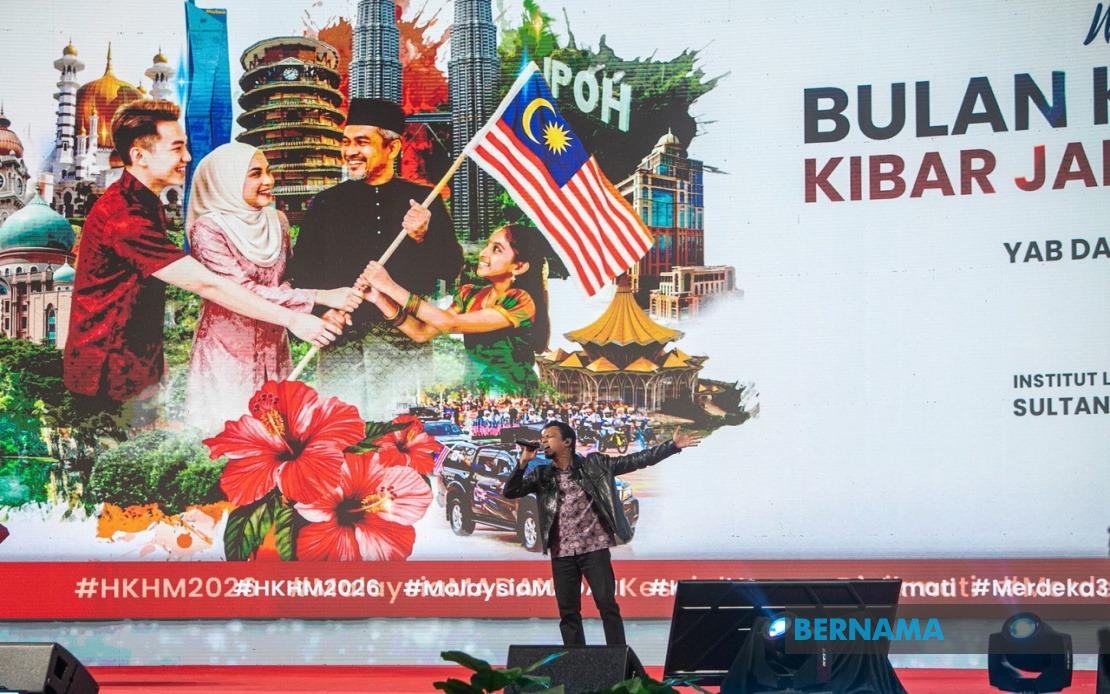
Malaysian musician Faizal Tahir has been selected to contribute the official theme song for the nation's 2026 National Month and Fly the Jalur Gemilang Campaign, with his composition 'Aku Berjanji' making its public debut at the campaign launch held at the Sultan Azlan Shah Ministry of Health Malaysia Training Institute. The choice reflects growing recognition of popular music as a vehicle for national messaging and cultural cohesion during significant periods of national observance.
Tahir expressed his gratification at the appointment, describing the honour as particularly meaningful given his extensive career spanning nearly two decades in the entertainment industry. The artist emphasised that the composition and production process, which took approximately one month to complete, was driven by a desire to contribute meaningfully to Malaysia's cultural fabric during a significant national occasion. The finished track runs for two minutes and twenty-nine seconds, crafted to deliver maximum impact within a concise timeframe suitable for broadcast and public events.
The thematic foundation for 'Aku Berjanji' centres on messages of collective strength, national unity, and patriotic sentiment. Rather than adopting a purely celebratory tone, Tahir deliberately incorporated layers of meaning around sovereignty and shared responsibility for the nation's wellbeing. This approach positions the song beyond mere ceremonial accompaniment, instead functioning as an aspirational statement about Malaysian identity and social cohesion during an era when such messaging holds particular resonance.
Tahir's selection underscores the Malaysian government's strategic deployment of popular culture personalities in official national campaigns. By engaging an established, commercially successful artist with genuine credibility among younger and diverse demographic segments, the National Month initiative gains authenticity and broader appeal than traditional state-commissioned works might achieve. Tahir's profile as a mainstream entertainment figure creates multiple pathways for the song to reach audiences across radio, streaming platforms, social media, and live performances throughout 2026.
The artist's journey to prominence offers context for his selection. Tahir achieved significant national recognition after placing as runner-up in the widely-watched reality television programme 'One In A Million' in 2006, which established him as a recognisable face with established connections to Malaysian audiences. His subsequent career trajectory has maintained steady visibility within the local entertainment landscape, making him a logical choice for government cultural initiatives seeking contemporary relevance without departing from mainstream acceptance.
The debut performance at the campaign launch represented a carefully orchestrated moment of national cultural significance. By choosing the Sultan Azlan Shah Ministry of Health Malaysia Training Institute as the venue, organisers linked the theme song to institutional settings and official channels, lending ceremonial weight to the moment. This strategic location selection reflects broader patterns in how Malaysian government bodies leverage physical spaces and formal occasions to amplify messaging around national themes.
Tahir's involvement demonstrates how creative industries in Malaysia increasingly intersect with state apparatus and national policy implementation. The one-month production timeline suggests structured collaboration between the artist, government communications teams, and technical production specialists, indicating a professionalised approach to creating official national messaging. This stands in contrast to historical patterns where national theme compositions sometimes emerged from government institutions with limited popular entertainment sector involvement.
For Malaysian audiences, particularly younger demographics and music consumers, the selection of a contemporary popular artist as the voice of national messaging carries psychological significance. It validates popular music as a legitimate medium for expressing and reinforcing national values, rather than relegating patriotic sentiment exclusively to traditional, institutional, or classical frameworks. This inclusive approach potentially broadens the demographic reach of national messaging beyond traditional audiences.
The emphasis on unity and sovereignty in 'Aku Berjanji' arrives at a moment when Malaysia continues navigating complex questions around national identity, inter-community relations, and regional positioning. The song functions as a cultural statement during a period when explicit affirmations of collective purpose hold particular importance. By framing national solidarity through an artist with cross-community appeal, the initiative attempts to transcend potential divisive narratives and centre shared national interest.
Looking forward to 2026, the composition will likely receive extensive promotional support across government channels, educational institutions, and official ceremonies throughout the year. The selection process and Tahir's involvement signal the Malaysian government's continued confidence in popular entertainment as an effective medium for national messaging. The song's reception will provide insights into contemporary audience receptivity to state-commissioned patriotic content delivered through mainstream cultural personalities.

