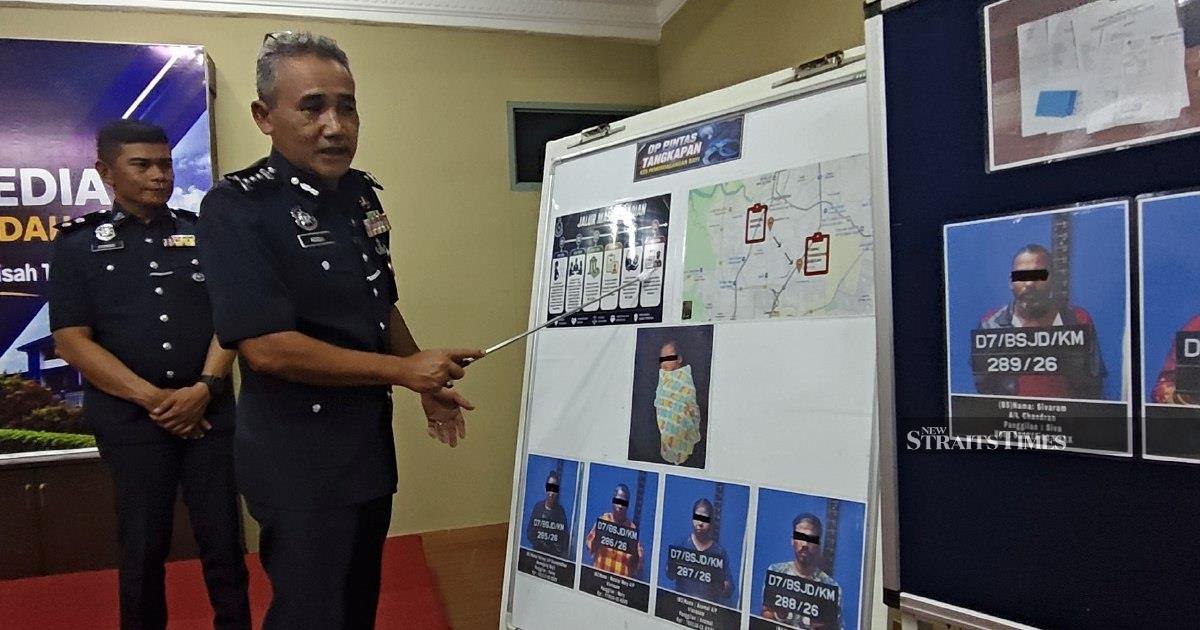
Authorities in Kedah have apprehended six individuals in what investigators believe is an organised baby trafficking operation, marking a significant breakthrough in tackling human trafficking networks in the northern state. The arrests were made following an investigation centred in the Kuala Muda district, with one of those detained being a mother who had delivered her child merely five days before police intervention. The case has drawn renewed attention to the vulnerability of newborns and postpartum mothers to exploitation by trafficking syndicates.
The involvement of a recently postpartum mother in the suspected operation raises troubling questions about the circumstances and coercion that may have led to her participation. Investigators are examining whether she became entangled in the trafficking network through vulnerability, financial desperation, or other forms of exploitation during a critical period in her life. This pattern of targeting women during their most vulnerable moments—pregnancy and immediately after birth—reflects a known tactic employed by trafficking networks seeking to circumvent parental protections and exploit emotional and financial pressures.
Baby trafficking remains a persistent challenge across Southeast Asia, driven by demand from childless couples in wealthier nations and regions willing to pay substantial sums for infants, often through illicit channels. In Malaysia, such cases have periodically surfaced, drawing condemnation from child welfare advocates and prompting calls for strengthened safeguards around pregnancy services, maternity facilities, and adoption processes. The Kedah operation appears to have exploited gaps that exist within these systems, underscoring the need for continuous vigilance and coordination among healthcare providers, law enforcement, and social welfare agencies.
The Kuala Muda district, a region spanning parts of Kedah's agricultural heartland, may have been selected by the trafficking network for various operational reasons. Rural and semi-urban areas sometimes present fewer bureaucratic obstacles and less intensive monitoring than major urban centres, making them attractive operational bases for criminal syndicates. The relatively low-profile nature of some communities in such districts can inadvertently shield illicit activities from public and official attention until investigations are well underway.
Police investigations into this case will likely focus on establishing the network's scope, identifying financial flows, and determining whether the operation involved international connections. Trafficking networks operating across Southeast Asia frequently have links to counterparts in neighbouring countries, and the movement of infants across borders represents a significant concern for regional law enforcement. Collaboration between Malaysian authorities and their counterparts in Thailand, Indonesia, and other neighbouring jurisdictions may be necessary to fully unravel the operation's extent.
The psychological and physical vulnerability of newborns places them at particular risk within trafficking scenarios. Unlike older children, infants cannot report abuse or exploitation, and their dependence on caregivers creates situations where trafficking can occur with minimal detection. Medical professionals, social workers, and hospital staff in maternal healthcare settings are critical frontline observers, and strengthening their awareness and reporting protocols remains essential to intercepting such cases before exploitation occurs.
Maternal healthcare providers across Malaysia are now under increased scrutiny to implement safeguards that protect both mothers and newborns from trafficking schemes. Protocols that verify the circumstances of prenatal care, deliver services through established family networks where possible, and create clear pathways for reporting suspected exploitation can reduce vulnerability. Training healthcare workers to recognise signs of coercion, financial desperation, or undue influence on pregnant women and new mothers is an investment in prevention.
The arrest of these six individuals in Kuala Muda represents law enforcement's commitment to dismantling trafficking networks at the operational level, but success requires sustained effort across prevention, prosecution, and victim protection. Those arrested will face investigation and potential charges under Malaysia's anti-trafficking legislation, which carries substantial penalties for perpetrators. The outcome of this case will likely influence how authorities approach similar operations and may lead to policy adjustments aimed at preventing future incidents.
For Malaysian policymakers and regional counterparts, this case serves as a reminder that trafficking networks continuously adapt and exploit new vulnerabilities. The involvement of a postpartum mother particularly highlights how trafficking extends beyond traditional scenarios of deception and force, encompassing situations where social and economic pressures intersect with criminal opportunity. Addressing baby trafficking requires not only reactive law enforcement but proactive measures within healthcare systems, stronger financial oversight of adoption services, and community awareness about the warning signs of such operations. As investigations proceed, the focus must remain on protecting infants and supporting victims while pursuing those who profit from exploiting some of society's most vulnerable members.

