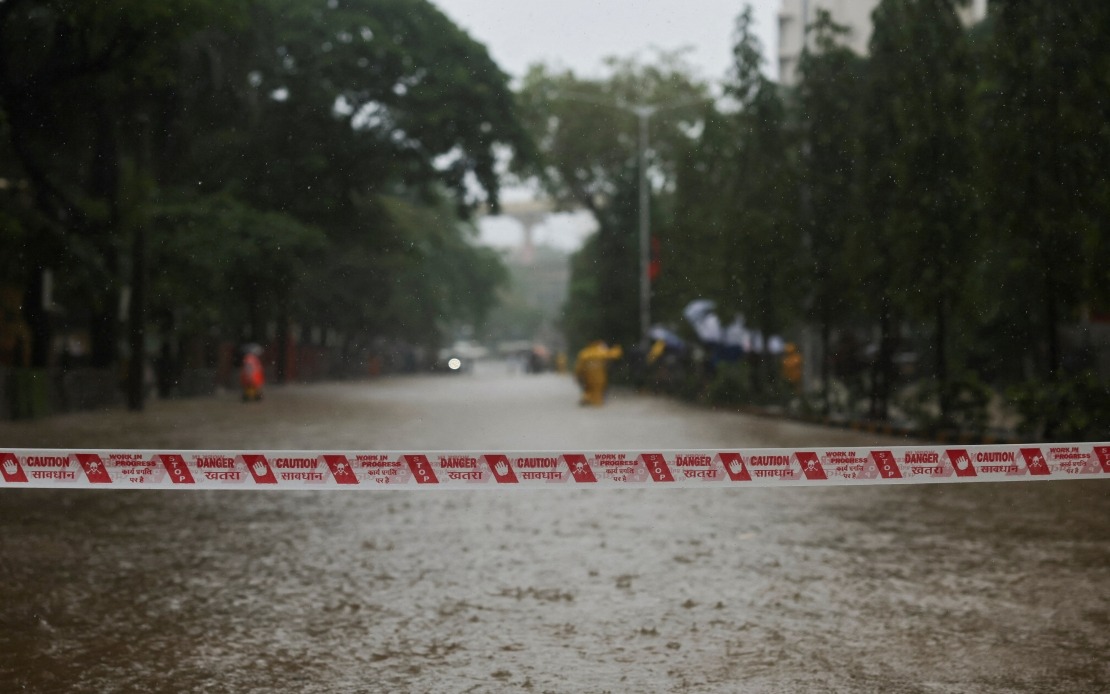
A tragic structural failure in India's financial hub has claimed six lives as the country's monsoon season intensifies. The building collapse occurred in the Mankhurd area of Mumbai on Sunday following sustained heavy rainfall that battered the city. One additional person sustained injuries in the incident, prompting immediate response from local authorities and emergency services.
State Minister Girish Mahajan, a senior Maharashtra BJP leader, confirmed the fatalities to journalists and acknowledged that a formal inquiry would examine how the building had been constructed. The collapse underscores ongoing concerns about construction standards and building maintenance in densely populated urban areas across India, where rapid development and informal settlements often intersect with inadequate regulatory oversight.
The meteorological conditions that precipitated the disaster were severe enough to disrupt normal operations at Mumbai's Chhatrapati Shivaji Maharaj International Airport on Sunday. Heavy rain accompanied by strong winds forced temporary suspensions of flight movements, affecting both arriving and departing aircraft. Such disruptions illustrate how powerful the monsoon systems can become and their cascading impact across critical infrastructure and essential services.
Concerned about student safety during the severe weather, local educational authorities declared a holiday for schools and colleges across affected areas. This precautionary measure reflects the real hazards posed by torrential rainfall to commuters and those moving between educational institutions and residential areas, as deteriorating road conditions and structural instability become genuine risks during intense weather events.
The collapse in Mankhurd represents a broader pattern of structural vulnerabilities that emerge during India's annual monsoon cycle. The seasonal phenomenon typically commences in June and continues through September, bringing substantial precipitation to most parts of the country. This extended period of moisture and water saturation can expose weaknesses in building foundations, load-bearing walls, and drainage systems that may have remained dormant during drier months.
Mumbai's particular vulnerability to monsoon-related incidents stems from its geographical location along the Arabian Sea coast and its dense urban configuration. The city's aging building stock, combined with informal construction practices in certain neighbourhoods, creates a challenging environment for disaster management. Previous monsoon seasons have similarly produced collapses and structural failures, suggesting that systemic issues around building certification, regular maintenance inspections, and enforcement of construction codes require sustained attention from municipal authorities.
For Malaysian observers, this incident carries practical relevance. Southeast Asia experiences its own distinct monsoon patterns, and countries including Malaysia face comparable challenges regarding building standards, maintenance protocols, and disaster preparedness during heavy rainfall events. The vulnerability of structures in densely populated zones, particularly in informal settlements or older urban areas, transcends borders and reflects development pressures common across the region.
The investigation announced by State Minister Mahajan will likely examine whether the structure met prescribed safety standards at the time of construction, whether regular inspections had been conducted, and whether maintenance work had been neglected. Such inquiries often reveal a combination of factors: substandard materials, inadequate foundation work, poor drainage around structures, and insufficient monitoring by local building authorities.
This tragedy adds to the mounting toll from extreme weather events across Asia as climate patterns become increasingly volatile. The intensity of monsoon rainfall appears to be increasing in certain regions, placing greater stress on infrastructure never designed to withstand such hydraulic loads. Building codes and safety standards established decades ago may prove insufficient for contemporary weather extremes, prompting calls for updated regulations and retrofitting of existing structures.
The broader implications extend to disaster risk reduction frameworks across South Asia and beyond. Urban planning authorities, construction regulators, and emergency management agencies are grappling with how to balance rapid urbanization with adequate safety safeguards. The closure of schools during monsoon events represents one defensive measure, but comprehensive solutions demand investment in building inspections, enforcement of standards, and relocation of populations in high-risk areas.
As investigations proceed in Mumbai, questions will inevitably arise about accountability within the construction sector and oversight mechanisms. Whether the building had been illegally modified, whether permissions for additions had been granted without proper assessment, or whether essential maintenance had been deferred—these details will shape understanding of how such preventable disasters occur in modern urban contexts.
The incident serves as a sobering reminder that infrastructure safety requires vigilance, resources, and political will. For Malaysia and other developing economies in the region managing rapid growth alongside environmental volatility, the Mumbai collapse illustrates the costs of insufficient building standards and inadequate enforcement capacity. Learning from such tragedies can inform better disaster preparedness and stronger regulatory frameworks.

