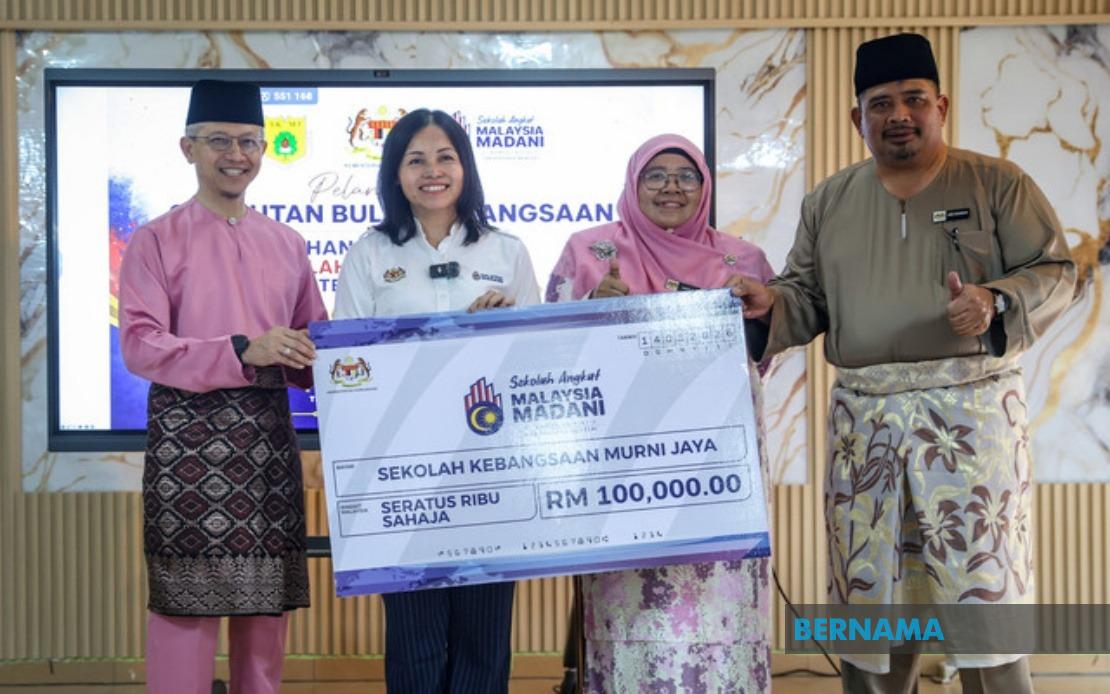
SK Murni Jaya in Layang-Layang, Kulai has become one of the latest schools to benefit from the Ministry of Communications' MADANI Adopted School initiative, receiving a RM100,000 grant aimed at modernising its educational infrastructure and learning environments. Deputy Communications Minister Teo Nie Ching handed over the funds during a formal ceremony at the school, marking the ministry's commitment to raising educational standards across Malaysian institutions through targeted facility investments.
The grant represents a comprehensive approach to school development, addressing multiple dimensions of the learning environment simultaneously. Rather than concentrating resources narrowly, the ministry has structured the funding to tackle physical infrastructure, digital capabilities, and specialised learning spaces that support contemporary pedagogical approaches and skill development. This holistic strategy reflects recognition that educational quality depends on interconnected elements ranging from basic amenities to cutting-edge technology.
According to Teo, the funds will be deployed across several priority areas beginning with visual and directional improvements to the campus. Four new school signboards will enhance navigation and institutional identity, while hall beautification initiatives will create more inviting communal spaces for assemblies, events, and student gatherings. These aesthetic enhancements serve not merely cosmetic purposes but contribute to school pride and create psychologically conducive environments for learning and social interaction.
Digital infrastructure constitutes a major component of the allocation, reflecting Malaysia's broader educational digitalisation agenda. Two Smartboards destined for the school hall and resource centre will enable more interactive, multimedia-enriched teaching methodologies that cater to diverse learning styles. This technology investment addresses the digital divide that persists in many Malaysian schools and positions students to develop competencies essential in an increasingly technology-driven economy and society.
The STEM and vocational technical education focus demonstrates alignment with national skills development priorities. A Robot Sumo set specifically designated for STEM and TVET activities will expose students to robotics, programming, and hands-on engineering concepts from early educational stages. This investment in experiential learning through robotics and automation reflects global trends in preparing students for future employment landscapes where technical aptitude and problem-solving capabilities command premium value.
Computational resources have been expanded through the allocation of ten iPads for the computer laboratory, supplementing existing digital infrastructure and enabling more sophisticated educational applications. These devices facilitate coding instruction, digital content creation, scientific modelling, and collaborative online learning—capabilities increasingly recognised as foundational rather than supplementary in contemporary curricula. The specific focus on laboratory settings ensures that technology enhancement directly supports academic instruction rather than becoming incidental.
Environmental comfort improvements round out the facility upgrades. Installation of air-conditioning units in key areas addresses Malaysia's tropical climate challenges that can compromise both comfort and cognitive performance during extended study sessions. Lighting system upgrades will improve visibility in classrooms and common areas, reducing eye strain and creating safer, more functional spaces. A modern public address system will enhance communication efficiency across the sprawling school campus.
Teo stipulated that SK Murni Jaya must complete its facility improvements by October, establishing a concrete timeline for implementation. Other schools receiving comparable MADANI programme allocations face a broader deadline of year-end for full implementation, aligned with Ministry of Finance requirements that ensure consistent programme delivery across participating institutions. These timelines introduce accountability mechanisms while providing reasonable windows for procurement and installation processes.
The RM20,000 supplementary allocation for canteen furniture underscores attention to student welfare and nutritional environments. Provision of 19 tables and chairs may appear modest against the primary grant, but reflects understanding that functional, comfortable dining facilities encourage healthy eating habits, provide conducive spaces for social interaction, and contribute to overall school management efficiency. Adequate canteen infrastructure supports daily school operations that sustain student well-being.
The MADANI Adopted School programme represents a structured government intervention addressing infrastructure deficits that burden many Malaysian schools, particularly those serving middle to lower-income communities. Rather than dispersing limited resources across numerous minor projects, this concentrated approach delivers substantial improvements that visibly transform learning environments within single institutions. SK Murni Jaya's experience demonstrates how strategic capital deployment can simultaneously modernise facilities, enhance digital capacity, promote STEM literacy, and improve student amenities.
For Malaysian educators and administrators, such initiatives carry practical significance. Schools seeking partnership opportunities with government ministries can examine how SK Murni Jaya successfully accessed these funds and structured its proposals around ministry priorities. The emphasis on STEM, TVET, and digital infrastructure signals enduring government commitment to these educational dimensions, suggesting schools should prioritise these areas when developing development proposals.
From a regional perspective, Malaysia's sustained investment in school infrastructure and technology through targeted ministry programmes positions the country competitively within Southeast Asia's educational landscape. As nations across the region compete for skilled workforces, investments in school-level infrastructure become competitive advantages. SK Murni Jaya's transformation exemplifies how such programmes can rapidly elevate facilities in schools serving ordinary Malaysian communities, potentially accelerating educational equity and opportunity access across socioeconomic strata.

