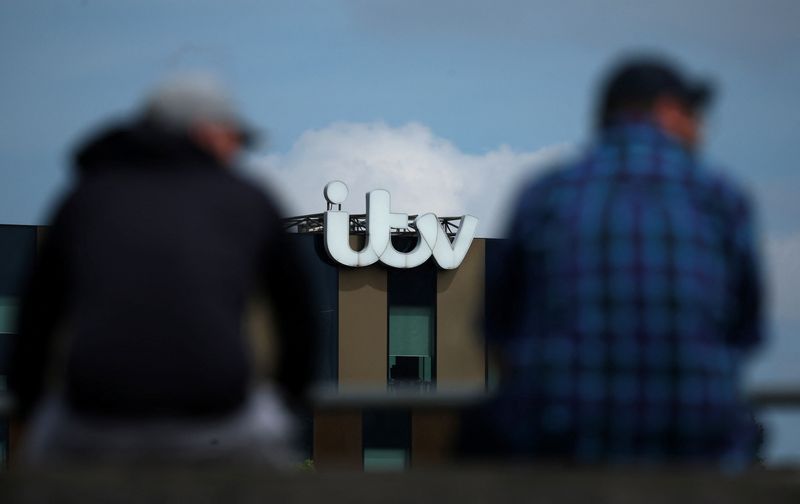
Comcast-owned Sky has secured a transformative acquisition of ITV's broadcast channels and streaming services for £1.6 billion, a transaction that fundamentally reshapes the British television landscape and signals the sector's dramatic realignment in the streaming era. Sky Chief Executive Dana Strong hailed the merger as a defining watershed moment for British broadcasting, one of the most significant consolidations in the industry's history. The deal, unveiled on Monday after months of speculation, now faces intense regulatory scrutiny as authorities and lawmakers weigh the competitive implications of joining the country's largest free-to-air commercial broadcaster with its most dominant pay-television platform.
The convergence of these two broadcasting giants would have seemed impossible merely years ago, before the disruptive force of YouTube and streaming behemoths like Netflix, Amazon Prime Video and Disney+ fundamentally altered viewer behaviour and advertising revenue flows. Traditional broadcasters, squeezed between younger audiences abandoning conventional television and the colossal production budgets of technology-backed streamers, have found their competitive positions deteriorating. This combination represents an acknowledgment that scale and financial firepower have become existential requirements for survival in a fragmented media marketplace.
The combined entity would command over 70 per cent of the UK television advertising market, a commanding position that immediately raises competition concerns. This extraordinarily high market share encompasses not only ITV's own advertising inventory but also Sky's third-party ad sales contracts, including those for Channel 5, which is owned by Paramount. To navigate regulatory approval, Sky will likely be compelled to divest these external advertising agreements, though such conditions remain subject to formal regulatory review. The merged business will serve more than 20 million households, creating a media force with sufficient scale to invest in premium content production and platform development.
ITV's shareholder base appeared cautiously optimistic about the arrangement, with shares rising marginally to 82 pence in early trading. The broadcaster has endured a prolonged period of financial strain, with its equity value declining 36 per cent over the preceding five years as the advertising market contracted and viewer engagement shifted toward streaming platforms. The cash injection of £1.2 billion, supplemented by an earn-out arrangement potentially worth up to £200 million contingent on advertising performance in the 2027 financial year, provides financial relief to a company that has struggled against structural headwinds.
A particularly notable element of the transaction involves Love Productions, the production company behind the BBC's "The Great British Bake Off," which will be integrated into the retained ITV Studios operations. This acquisition strengthens the production arm's portfolio, enabling it to generate content not merely for the merged ITV-Sky platform but also for competing broadcasters and international streamers. ITV Studios remains positioned as an independent production entity, having created substantial hits including "Love Island" and the long-running "Coronation Street," alongside international commissions such as "Rivals" for Disney+ and "The Reluctant Traveller" for Apple TV+. This separation allows ITV's creative operations to serve multiple clients rather than functioning purely as an internal content supplier.
The regulatory environment surrounding this deal differs markedly from recent years, as the British government has shifted its approach toward media consolidation. Culture Minister Lisa Nandy recently signalled openness to shaping significant media transactions, indicating potential willingness to clear deals that once faced automatic scrutiny. She demonstrated this flexibility by suggesting she might intervene in the proposed Paramount-Warner Bros Discovery combination, suggesting that regulatory priorities have recalibrated toward enabling investment and growth rather than blocking consolidation categorically. Industry participants will closely observe whether this transaction receives approval, potentially establishing precedent for future consolidations that would have faced rejection under previous regulatory frameworks.
Sky's own transformation provides essential context for understanding this acquisition. Originally established by media mogul Rupert Murdoch in 1989, the platform remained synonymous with the Murdoch family for decades, with James Murdoch occupying senior leadership positions before being succeeded by other executives. Comcast purchased Sky in 2018, and the American telecommunications giant recently announced plans to separate its media operations, including NBCUniversal and Sky, from its cable infrastructure business. This structural realignment reflects mounting pressure from streaming competitors and the broader decline of traditional cable television revenue models.
The merged entity has committed to investing a minimum of £2.1 billion on original programming and platform development between 2028 and 2032, a significant pledge that demonstrates confidence in British content production capability. This investment commitment addresses potential regulatory concerns about programming quality and investment in original British productions, a public service requirement that remains central to British broadcasting policy. Sky has pledged to maintain ITV's status as a public service broadcaster, acknowledging the cultural and social significance of the channel to British audiences.
Younger viewers present perhaps the greatest challenge to this strategic rationale. Audiences aged 16 to 24 have progressively abandoned traditional television, with streaming and social media platforms capturing an increasing share of viewing time. The merged company will argue that only through consolidation can it generate sufficient revenue to compete for premium content, invest in digital platforms, and maintain the production quality that sustains viewer interest. However, regulators and cultural advocates may question whether this concentration of market power genuinely serves the public interest or merely protects legacy television platforms from market forces.
The transaction's fate ultimately depends on regulatory determinations about competitive harm, and it signals a broader reshuffling of British media ownership. The government's apparent pivot toward prioritising growth and investment over aggressive competition enforcement could presage further consolidation across media and telecommunications sectors. For Malaysian and Southeast Asian observers, the deal demonstrates how global streaming platforms have fundamentally altered competition in developed media markets, forcing traditional broadcasters toward consolidation strategies that concentrate market power among fewer, larger entities.

