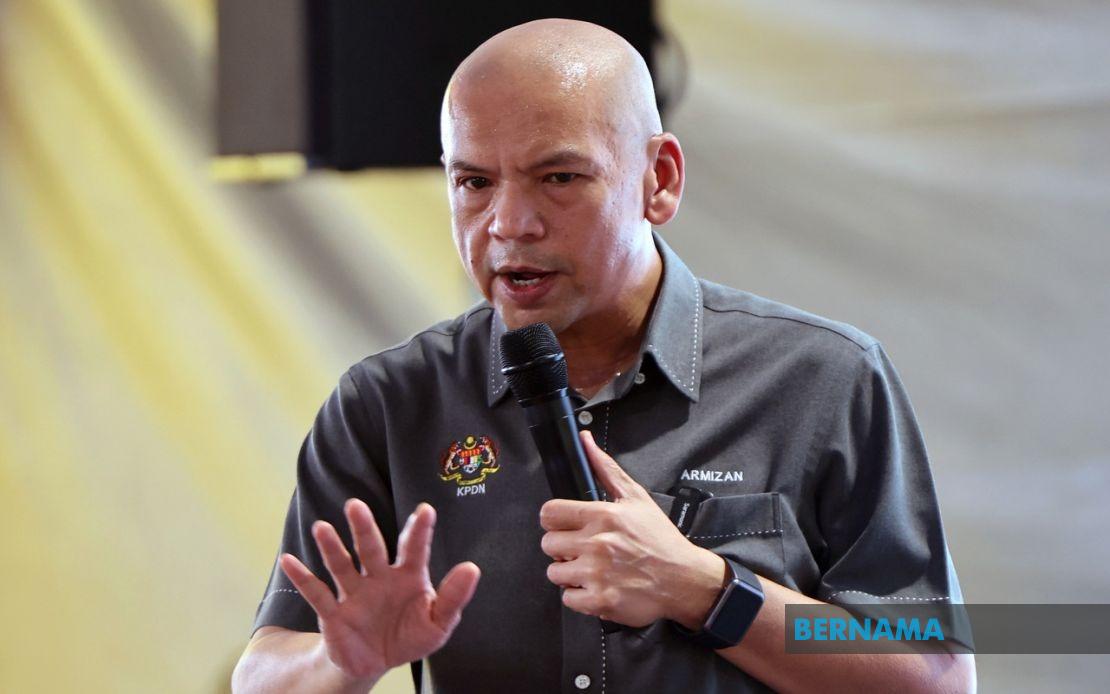
Malaysia's government has introduced a fresh support mechanism for small businesses struggling with fuel costs, allocating 300 litres of subsidised diesel monthly to sole proprietorships and partnership companies operating across the nation. The assistance, delivered through fleet cards, represents a pragmatic response to difficulties faced by micro-entrepreneurs who previously could not access aid under individual applications, according to Domestic Trade and Cost of Living Minister Datuk Armizan Mohd Ali.
The allocation addresses a gap in the Subsidised Diesel Control System (SKDS), which launched on July 1 in Sabah, Sarawak, and Labuan. The original framework concentrated support on two primary sectors: public transportation and logistics for essential goods and consumer necessities. Small business operators using vehicles for commercial purposes fell outside these categories, creating hardship for entrepreneurs whose operating margins depend heavily on fuel expenses. The Cabinet approved this intervention measure specifically to bridge that disconnect and ensure no segment of the business community bears disproportionate burden.
Armizan unveiled the programme while officiating the MADANI Foster Village Project in Kampung Sekalong, Menumbok, a rural development initiative demonstrating the government's broader commitment to supporting communities outside major commercial centres. The minister emphasised that the fleet card system offers practical flexibility, allowing registered small enterprises to manage fuel procurement efficiently whilst maintaining transparency in subsidy distribution. This mechanism represents a substantial concession, recognising that many micro-businesses operate with tighter cash flow constraints than larger corporate entities.
The government's approach to diesel subsidy implementation rests on three foundational considerations that Armizan outlined as non-negotiable. First, any policy must address the genuine cost pressures facing ordinary Malaysians and business operators. Second, administrators must vigilantly manage leakage risks, preventing subsidised fuel from flowing into unintended channels or black markets that undermine programme objectives. Third, policymakers must ensure interventions remain fiscally sustainable for a government managing competing budget priorities. Balancing these three pillars shapes how the subsidy rolls out across different regions and sectors.
Rural and interior areas of Sabah and Sarawak present particular logistical challenges for subsidy administration. To overcome geographic barriers and ensure equitable access, the government plans to mobilise state-level agencies as implementation partners. These regional authorities will manage registration processes and verify that assistance reaches genuinely eligible recipients, preventing exclusion of remote communities due to bureaucratic distance from federal administration centres. This decentralised approach acknowledges that uniform national procedures often fail to accommodate the specific circumstances of interior regions where transportation and communication infrastructure differs fundamentally from urban areas.
The MADANI Foster Village initiative, launched in Kampung Sekalong, exemplifies how targeted development spending can complement broad subsidy programmes in addressing rural disadvantage. The government allocated RM500,000 to the village for five specific projects designed to generate immediate, tangible improvements. Construction of an open multipurpose hall will provide community gathering space essential for rural social cohesion. Road upgrades and culvert repairs address basic infrastructure deficiencies that compound poverty in isolated areas. Installation of solar lights enhances safety and extends productive hours in communities without reliable electricity grids. A village landmark development serves cultural and tourism purposes, potentially opening modest economic opportunities.
Armizan indicated that all five projects would commence promptly, with completion targeted within the year and most work finishing within two to three months. This aggressive timeline reflects government determination to deliver visible benefits quickly, avoiding the extended delays that undermine public confidence in rural development programmes. The Papar Member of Parliament characterised these as small-scale interventions, yet their cumulative impact on daily life in villages previously neglected by development planners proves substantial. Each component addresses specific constraints limiting economic participation and quality of life for inhabitants.
The Kampung Sekalong initiative marks the third MADANI Foster Village deployment, following earlier projects in Mukim Kaiduan, Papar during 2024 and Mukim Tikam Batu, Kedah in 2023. This trajectory suggests the government intends to systematise rural development, moving beyond ad-hoc interventions toward structured, repeatable processes for identifying and supporting villages requiring basic amenities. The programme's core purpose—narrowing development gaps between urban and rural Malaysia—carries particular relevance for Southeast Asian nations grappling with widening prosperity disparities as cities grow prosperous whilst peripheral regions stagnate.
The combination of diesel subsidy support for small businesses and infrastructure investment in rural communities reflects an integrated approach to cost-of-living challenges. Businesses operating in rural areas face compounded disadvantages: higher fuel costs due to supply chain distances, inadequate infrastructure limiting productivity, and market access difficulties constraining growth. By addressing fuel assistance and basic amenities simultaneously, the government acknowledges these interconnected problems require coordinated solutions rather than isolated interventions. For Malaysian businesses and rural communities, particularly in resource-producing states like Sabah and Sarawak, this dual approach offers meaningful if incremental relief from structural economic constraints.
The subsidy programme's emphasis on management discipline—particularly leakage prevention and fiscal sustainability—signals government awareness that unsustainable subsidy burdens have destabilised economies across Southeast Asia. Malaysia's experience with previous fuel subsidy programmes demonstrates that without robust verification and oversight, costs spiral whilst benefits flow to unintended recipients. The three-pillar framework articulated by Armizan suggests policymakers have internalised these lessons, designing a more targeted and sustainable approach than blanket price controls. For regional observers, Malaysia's attempt to balance social support with fiscal responsibility offers a case study in navigating the perpetual tension between immediate relief and long-term macroeconomic stability.

