The Social Work Profession Bill 2026 was tabled in Parliament on July 13, marking a watershed moment for Malaysia's social protection infrastructure and the thousands of social workers operating across the country. The Malaysian Association of Social Workers (MASW) has hailed the development as a landmark achievement that will formally elevate the profession and provide legal recognition to practitioners whose contributions to individual, family and community wellbeing have long operated without statutory backing.
The legislative initiative carries particular significance for a nation where social workers form the backbone of welfare service delivery, yet have historically lacked the formal professional recognition afforded to other healthcare and service-sector professions. By establishing a regulatory framework, the bill promises to standardise qualifications, ensure ethical practice, and create accountability mechanisms that will ultimately enhance the quality of social services available to vulnerable Malaysians. This recognition comes at a time when social challenges—from family breakdown to elderly care and child protection—are intensifying across the region.
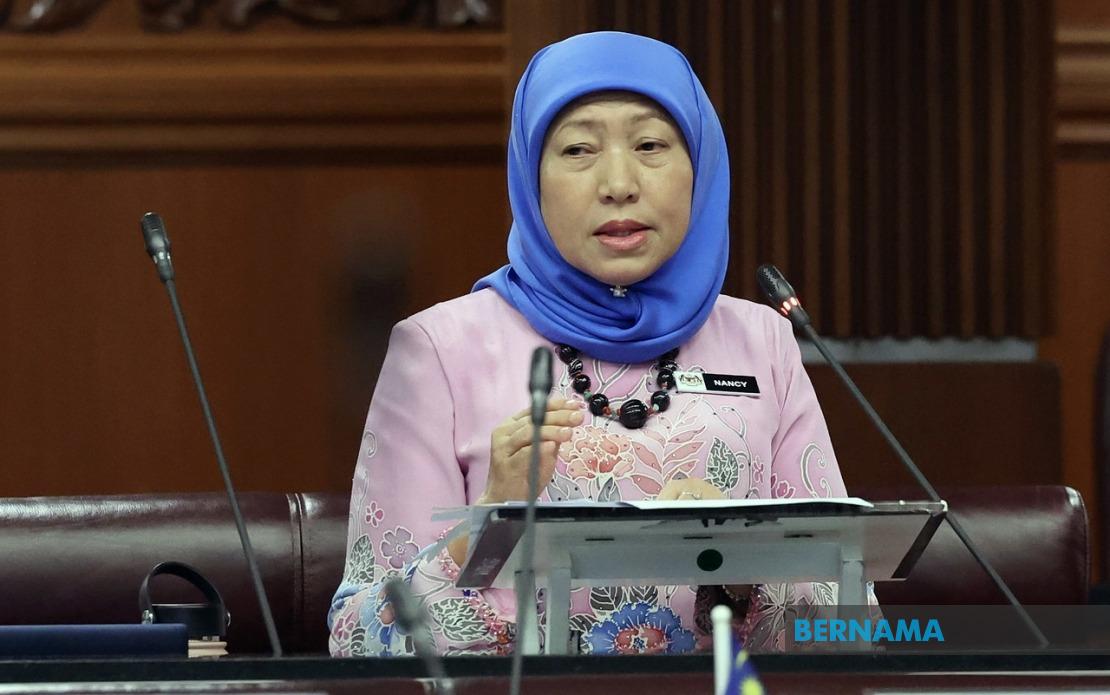
Women, Family and Community Development Minister Datuk Seri Nancy Shukri and her ministry have demonstrated sustained commitment to advancing this legislation, earning appreciation from MASW for their dedication to the cause. The ministerial backing signals government recognition that professionalising the social work sector is integral to broader social policy objectives and national development. Such high-level support has been crucial in moving the bill from consultation phases into parliamentary consideration, a process that reflects the complexity of establishing professional standards in a field that bridges government agencies, non-governmental organisations, and community-based providers.
The genesis of this bill extends back over a decade, with development work commencing in 2010 through collaborative efforts involving MASW leadership, academic institutions, and practitioners from both governmental and non-governmental sectors. This extended gestation period underscores the thoroughness required to craft legislation reflecting the multifaceted needs of the profession and the Malaysian public it serves. The Technical Committee and Special Project Team involved in drafting have drawn on accumulated experience and expertise to create provisions that address contemporary social work challenges while remaining flexible enough to accommodate evolving practice standards.
Dr Teoh Ai Hua, MASW president, framed the bill's tabling as affirming a fundamental national commitment: that the protection, wellbeing and dignity of Malaysians should be maintained by a workforce that is competent, ethical and professionally recognised. This articulation moves beyond bureaucratic proceduralism to address the philosophical underpinning of social protection systems—namely, that those responsible for safeguarding vulnerable populations must themselves be subject to rigorous professional oversight. The position reflects international consensus that professionalisation of social work directly correlates with improved outcomes for service users.
A critical dimension of the bill is its alignment with international frameworks and standards. The legislation positions Malaysia alongside international norms established through the Ha Noi Declaration on Strengthening Social Work towards a Cohesive and Responsive ASEAN Community adopted in 2020, as well as the Global Standards for Social Work Education and Training developed jointly by the International Association of Schools of Social Work (IASSW) and the International Federation of Social Workers (IFSW). This convergence with regional and global benchmarks carries profound implications for Malaysian social workers seeking to engage in cross-border collaboration, pursue international qualifications, or contribute to regional capacity-building initiatives within ASEAN.
Dr Mohd Iqbal Haqim Mohd Nor, MASW vice-president, characterised the bill's tabling as transforming years of professional advocacy into concrete momentum. The observation captures the psychological and institutional significance of legislative recognition—moving from the position of a largely invisible workforce whose contributions are recognised in principle but rarely in policy architecture, to one where social workers occupy an explicitly regulated professional space. This shift potentially opens pathways for improved career progression, remuneration frameworks, and integration of social work expertise into broader government planning and service delivery.
However, parliamentary consideration represents only one milestone in a longer journey. MASW honorary secretary Amy Bala has called upon Members of Parliament to engage in constructive deliberation on the bill's provisions, recognising that the parliamentary phase offers opportunity to strengthen and refine the legislation. This appeal reflects understanding that bills frequently benefit from legislative scrutiny and amendments that enhance their effectiveness. Her emphasis on stakeholder engagement and adequate resourcing for implementation acknowledges that legal frameworks alone cannot succeed without supporting infrastructure—training capacity, adequate funding, and transparent accountability mechanisms must accompany regulatory measures.
The implications for Malaysia's social protection system extend beyond symbolic recognition. A regulated and professionally standardised social work sector promises improved service consistency across regions, stronger ethical frameworks to protect vulnerable populations, and clearer career pathways that may help attract and retain talented professionals. For Southeast Asian peers observing Malaysia's approach, the bill potentially establishes a regional reference point for professionalising social work in contexts where informal and community-based welfare systems remain predominant.
Looking forward, the bill's passage would represent not an endpoint but the commencement of implementation challenges requiring sustained political will and resource allocation. Success will depend on government commitment to establishing regulatory bodies, accrediting educational programmes, and creating enforcement mechanisms. For the thousands of Malaysian social workers currently operating across child protection, family services, elderly care, disability support and community development sectors, formalisation offers the prospect of elevated professional status and improved capacity to advocate for service users—provided that legislative intent is matched by substantive implementation efforts.
The tabling of the Social Work Profession Bill 2026 thus signals a maturation of Malaysia's approach to social protection, one that recognises social work as a discipline worthy of formal professional recognition alongside other regulated professions. As parliamentary deliberation proceeds, all stakeholders—from government agencies to civil society organisations to the social workers themselves—bear responsibility for ensuring that this long-anticipated legislation translates into tangible improvements in the safety, dignity and wellbeing of the vulnerable populations whom social workers serve.

