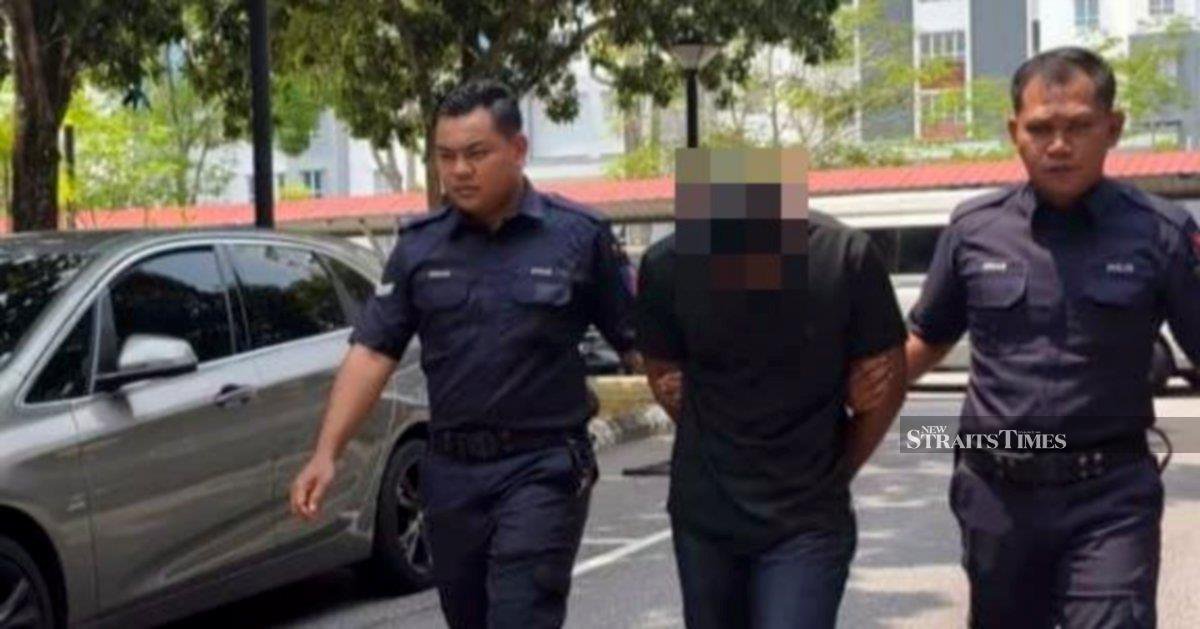
A soldier arrested following an accidental firearm discharge at a Port Dickson shooting range has been remanded for three days pending further investigation. The incident, which occurred at a facility near Hutan Menyala, resulted in injury to the soldier's colleague and has prompted authorities to examine the circumstances surrounding the mishandled weapon.
The soldier, whose name has not yet been disclosed by authorities, allegedly discharged a firearm during activities at the training range. The accidental nature of the shooting suggests that procedures at the facility, or the individual's handling of the weapon, did not align with standard military safety protocols. Authorities have not specified the extent of injuries sustained by the wounded serviceman, nor have they indicated whether the injury is life-threatening or relatively minor.
The remand period, typically used in Malaysian criminal investigations to allow police and military investigators time to gather evidence and interview witnesses, suggests authorities are treating the matter with appropriate gravity. While accidental discharges occur occasionally across military establishments worldwide, each incident warrants careful scrutiny to determine whether lapses in individual conduct, supervisory oversight, or facility-level safety measures contributed to the occurrence.
The location near Hutan Menyala places the incident at a training facility in the Seremban district of Negeri Sembilan, an area with established military infrastructure. Such ranges are designated spaces where soldiers conduct firearms training and qualification exercises under controlled conditions. The fact that an injury occurred within such an environment raises questions about whether existing safety protocols were properly implemented or whether additional safeguards may be necessary.
In Malaysia's military context, firearm safety remains a critical concern given the regular training activities across the armed forces. Incidents of this nature, though generally rare, reflect broader questions about weapons handling procedures, mandatory safety briefings, and the effectiveness of supervision during live-fire exercises. The investigation will likely focus on whether the soldier received adequate safety training and whether he was following prescribed procedures at the moment of discharge.
The three-day remand allows investigating officers to reconstruct the precise sequence of events leading to the shooting. Investigators will interview witnesses present at the range, review any available video footage, examine the weapon itself, and assess whether the soldier had been authorized to handle that particular firearm. Such documentation is essential for determining whether charges will ultimately be filed and what the nature of those charges might be.
Military-related shooting incidents carry significant legal consequences in Malaysia. Depending on the outcome of the investigation and the severity of the colleague's injuries, potential charges could range from negligence under the Penal Code to offences under military-specific legislation. The remand decision indicates that authorities believe sufficient grounds exist to proceed with detention while the investigation continues.
For Malaysia's armed forces, this incident underscores the ongoing need to maintain rigorous safety standards across all training facilities. While soldiers must develop competency with firearms to fulfill their operational roles, the balance between effective training and accident prevention must remain paramount. Regular audits of safety procedures, refresher training for instructors, and equipment maintenance are all components of a comprehensive approach to reducing preventable incidents.
The broader military community in Negeri Sembilan and across Malaysia will likely monitor how authorities handle this case. The precedent set in terms of accountability and the specific factors identified as contributing to the incident may influence how other military establishments review their own safety protocols. Should the investigation reveal systemic weaknesses rather than isolated individual error, recommendations for facility-wide or service-wide improvements may follow.
The injured soldier's recovery will be monitored, and their testimony regarding the circumstances of the shooting will form a crucial element of the investigation. Military medical facilities will have provided immediate treatment, and the soldier's condition will be documented as part of the case file. How quickly and completely the injured serviceman recovers may also influence how authorities and the military hierarchy respond to findings about what went wrong.
As the three-day remand progresses, additional details about the incident are expected to emerge through official military channels or court proceedings. The investigation's findings will not only determine the accused soldier's individual culpability but may also shed light on broader safety management questions within Malaysia's military training infrastructure. This incident serves as a reminder that even in controlled environments specifically designed for weapons training, constant vigilance and adherence to safety protocols remain essential safeguards against preventable tragedy.

