South Africa has escalated its legal campaign against Israel by submitting a detailed filing to the International Court of Justice, contending that the Israeli government has systematically disregarded provisional protective measures that the court previously mandated. The submission, lodged under Article 11 of the ICJ's internal procedural rules, represents a significant procedural step in what has become one of the most closely watched cases in contemporary international law.
The South African Department of International Relations and Cooperation emphasized that the provisional measures issued by the ICJ carry full legal weight and binding authority under international law. Rather than serving merely as suggestions or recommendations, these orders constitute enforceable directives that signatory states are obligated to implement immediately. South Africa's position is that Israel's conduct demonstrates a deliberate or negligent disregard for these obligations, thereby undermining the credibility and effectiveness of international judicial mechanisms designed to protect vulnerable populations.
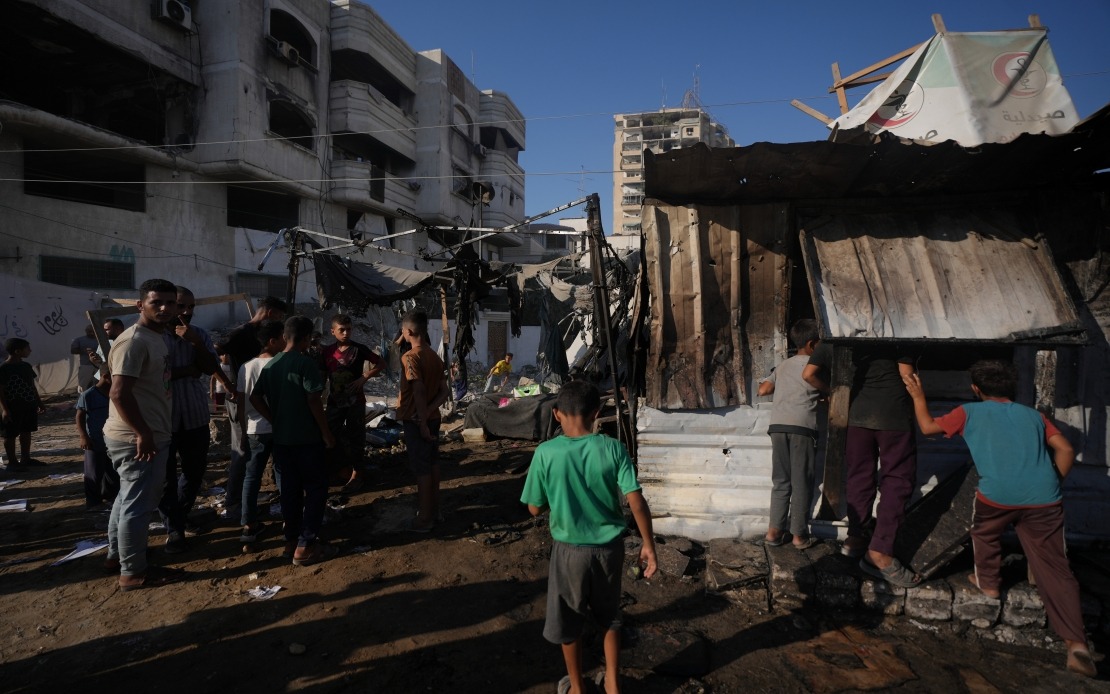
According to South Africa's characterization, Palestinians currently sheltering in the Gaza Strip continue to experience compounding trauma and psychological damage while surviving in increasingly constrained humanitarian circumstances. The narrative presented by Pretoria portrays a population subject not only to military operations but to deteriorating conditions that restrict access to essential services, clean water, medical facilities, and adequate shelter. This framing connects Israel's military actions with what South Africa describes as systemic structural harm affecting civilian welfare.
The filing cites documented casualties occurring after a ceasefire formally took effect on October 10, 2025. According to South African documentation, violence following the ceasefire commencement has resulted in at least 1,300 Palestinian deaths and more than 4,330 wounded individuals. Additionally, rescue operations have recovered hundreds of bodies from destroyed buildings, suggesting either that enforcement of the ceasefire has proven inadequate or that its terms permit continued military activities that result in civilian harm. These statistics form the evidentiary foundation for South Africa's assertion that Israel continues violating the protective framework the ICJ established.
South Africa's original genocide complaint, submitted to the ICJ on December 29, 2023, invoked the 1948 United Nations Convention on the Prevention and Punishment of the Crime of Genocide as the legal basis for its claims. The convention, ratified by Israel and South Africa alike, establishes a shared international commitment to preventing and punishing acts intended to destroy national, ethnic, racial, or religious groups. By framing its case within this specific legal instrument, South Africa sought to activate the most serious categories of international law violation.
The ICJ has previously issued three separate provisional measures orders—delivered in January, March, and May of 2024—each directing Israel to undertake comprehensive steps preventing conduct prohibited by the Genocide Convention. These successive orders suggest that the court harbored growing concern that initial instructions were not being adequately implemented. The pattern of repeated orders can be interpreted either as the court's attempt to reinforce its authority through reiteration or as acknowledgment that its earlier directives had failed to achieve their intended protective effect.
For Malaysia and other Southeast Asian nations observing this case, the proceedings carry implications extending beyond the immediate Israeli-Palestinian context. The case tests whether international courts can effectively enforce protective measures against powerful state defendants, particularly when enforcement mechanisms rely on voluntary compliance or diplomatic pressure. The outcome influences the perceived viability of international legal remedies for smaller or less militarily influential nations seeking justice in the ICJ.
South Africa maintains its commitment to pursuing all available procedural mechanisms to compel Israel's compliance with ICJ directives. This approach reflects both a legalist strategy focused on institutional remedies and a broader diplomatic campaign conducted through multilateral channels. The sustained pursuit suggests Pretoria views the case as integral to its international standing and commitment to advancing what it characterizes as universal human rights principles.
The broader death toll documented by Palestinian health authorities provides context for understanding the scale of the underlying conflict. Since October 7, 2023, when major escalation commenced, Palestinian sources document over 73,400 fatalities and approximately 174,400 injured persons in the Gaza Strip. While casualty figures remain contested between various sources, the magnitude indicates the intensity of conflict that the ICJ's provisional measures were designed to mitigate or prevent from expanding.
The technical legal question at stake in South Africa's new filing concerns whether the ICJ possesses practical enforcement authority over powerful states unwilling to comply with its orders. International law traditionally relies on state willingness to observe judicial determinations rather than on mechanisms comparable to domestic legal enforcement. This fundamental structural constraint shapes the real-world impact of even the most carefully reasoned ICJ decisions when they conflict with the military or strategic interests of major regional powers.
For the broader international community, the case represents an important moment in determining whether the ICJ remains a meaningful constraint on state behavior or whether it functions primarily as a venue for symbolic gestures by less powerful actors. South Africa's decision to persist through multiple procedural stages demonstrates a strategic judgment that continued legal advocacy, despite anticipated compliance challenges, advances important precedential and reputational objectives within the international system.

