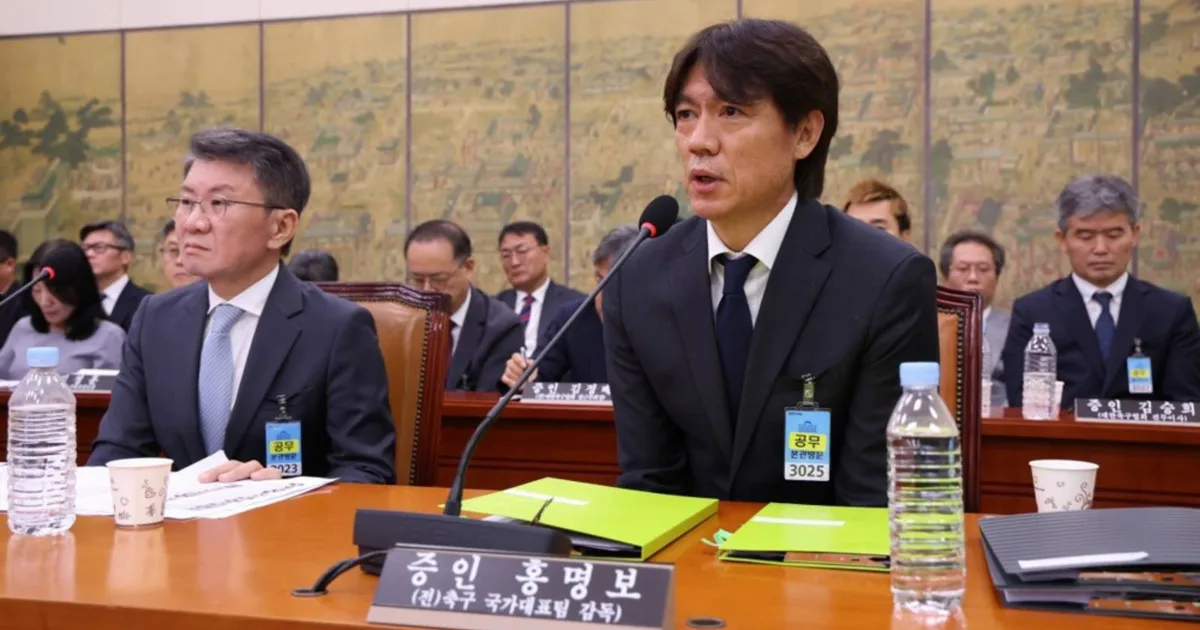
South Korean law enforcement has launched a formal investigation into the football association's decision-making process surrounding the hiring of national team coach Hong Myung-bo, executing a search and seizure operation at the organisation's headquarters as part of the probe. The police action marks an escalation in scrutiny over how the appointment was handled, with allegations emerging that officials may have obstructed legitimate business operations in connection with the coaching hire.
The controversy surrounding Hong Myung-bo's appointment carries particular weight given South Korea's underwhelming performance at the most recent FIFA World Cup. The national team's campaign fell short of expectations, reigniting longstanding tensions between the football association's leadership and various stakeholders within Korean football. This context has transformed what might have otherwise been a routine coaching decision into a matter warranting formal criminal investigation.
Obstruction of business allegations suggest that individuals within the football association may have unlawfully interfered with proper administrative or contractual procedures during the appointment process. Such accusations in South Korean legal contexts can carry serious implications, potentially implicating senior officials in misconduct beyond simple poor management or questionable judgment. The specificity of these charges indicates that investigators have identified particular actions or omissions that they believe crossed legal thresholds.
The raid itself represents a significant development in Korean sports administration, where the intersection of government oversight, corporate interests, and national pride creates a volatile political landscape. Police involvement in what might be considered internal sporting matters underscores the gravity with which authorities are treating the allegations. This level of intervention also reflects broader South Korean societal expectations regarding transparency and accountability in major national institutions, particularly those managing flagship national teams.
Hong Myung-bo's track record includes previous success as a player and administrator within Korean football, yet his recent appointment generated sufficient controversy to prompt formal legal scrutiny. The decision to appoint him following the World Cup disappointment evidently troubled enough individuals within or connected to the football association that formal complaints were lodged with police. This suggests internal divisions within the organisation regarding the appointment's legitimacy or the processes through which it was executed.
For Malaysian and Southeast Asian observers, this situation illuminates how seriously East Asian nations treat national football governance and the intersection between sports administration and legal accountability. Unlike some regional contexts where such matters might be resolved through administrative channels, South Korea's approach demonstrates a willingness to deploy law enforcement resources to investigate potential misconduct in sporting organisations. This reflects a broader cultural and institutional emphasis on accountability that extends to even revered national sporting institutions.
The World Cup campaign that preceded this controversy appears to have crystallised frustrations within Korean football circles. When national teams underperform on the world stage, especially in a nation where football holds significant cultural and economic importance, pressure mounts on administrators to demonstrate competence and legitimacy in their decision-making. The subsequent appointment of Hong Myung-bo evidently failed to satisfy sufficient stakeholders, transforming a coaching change into a governance crisis.
The allegation of obstruction of business specifically warrants closer examination. Rather than generic accusations of mismanagement, investigators appear to have identified concrete actions—potentially involving contract irregularities, improper interference with competing candidates, or circumvention of established appointment procedures—that constitute illegal obstruction. This distinction matters significantly for both the individuals involved and for understanding the substance of the allegations rather than treating them as mere political manoeuvring.
For the Korean football association itself, this investigation creates significant operational and reputational challenges. The organisation now faces not only questions about sporting decisions but also formal criminal scrutiny of its administrative practices. Any findings or charges emerging from this investigation could reshape governance structures and accountability mechanisms within Korean football for years to come. International football bodies will also be monitoring developments, particularly regarding whether the appointment's legitimacy affects South Korea's standing in FIFA or AFC competitions.
The broader implications for Asian football governance are considerable. If this investigation determines that improper procedures were followed, it could trigger similar scrutiny of appointment processes in other national associations across the region. Already, several countries wrestle with balancing political influence, commercial interests, and sporting merit in selecting national coaches. South Korea's legal intervention may establish precedent that emboldens other nations' authorities to investigate questionable football governance decisions.
Looking forward, the investigation's outcome will influence how South Korean football administrators approach future high-stakes decisions. Whether the probe results in charges, administrative reforms, or vindication of the appointment process, it will inevitably reshape the politics of national team management. For Hong Myung-bo personally, the investigation adds considerable pressure to his position, as successful on-field performance may now be inseparable from the cloud of legal scrutiny surrounding his appointment.
This situation ultimately reflects how thoroughly integrated football has become into national governance structures and public accountability systems across East Asia. What might be dismissed elsewhere as internal sporting politics has instead become a matter for law enforcement investigation, underscoring the stakes involved when national teams disappoint and questions arise about the competence and integrity of those managing them.

