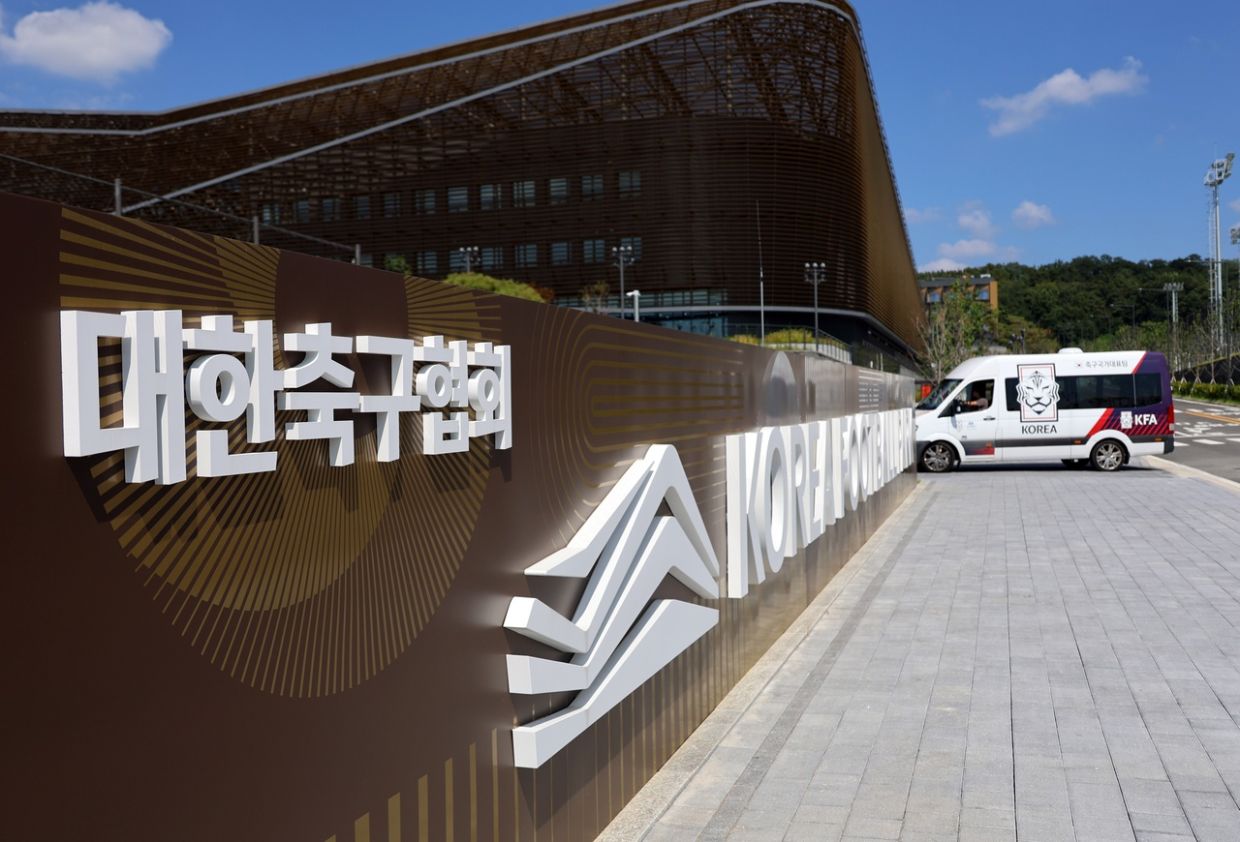
A dormant scandal involving alleged sexual bribery of foreign referees by South Korea's football authority has exploded into an international incident, drawing in neighbouring Japan's governing body just hours after the Korea Football Association issued a formal apology. The Japan Football Association confirmed this week that it is examining the involvement of four Japanese referees among those allegedly targeted by improper hospitality arranged through corporate credit cards. The investigation marks a significant escalation of a controversy that remained buried for nearly a decade before resurfacing this month through investigative reporting, threatening the regional reputation of Asian football governance.
The roots of the scandal stretch back to a 2016 internal audit conducted by South Korea's Ministry of Culture, Sports and Tourism, a document that gathered dust until a prominent broadcaster aired the findings on August 6. According to that audit, between March 2011 and March 2012, the KFA systematically used corporate payment cards to fund entertainment at massage establishments for approximately 10 foreign referees and match commissioners across seven matches on South Korean soil. The matches in question included three qualifying fixtures for the World Cup and Olympic Games, along with four friendly encounters. During that twelve-month window, the national team compiled a record of five wins, two draws and no losses in those matches, a performance that has inevitably prompted speculation about whether outcomes were predetermined.
South Korean officials have firmly rejected suggestions that match results were compromised by these arrangements, insisting that competitive integrity was maintained throughout. Nevertheless, the timing and nature of the hospitality payments have created a perception problem that extends far beyond Seoul. The alleged recipients included match commissioners and referees from multiple nations, making this not simply a domestic scandal but a matter affecting the broader Asian football community and raising questions about standards and oversight in regional competitions.
The KFA's apology on Saturday represented a significant acknowledgment of wrongdoing, arriving amid mounting political pressure that included a parliamentary hearing into the association's governance structures and a police raid on its offices the previous week. That raid ostensibly related to a separate controversy involving the 2024 appointment of former national team coach Hong Myung-bo, but it added to a mounting sense of crisis within the organisation. In its statement, the KFA expressed regret for the "disappointment and concern caused by the various issues and controversies" and pledged a comprehensive overhaul of internal controls to restore public confidence and transparency.
Japan's involvement has become particularly sensitive given the prominence of some officials identified in local media reports. Two Japanese referees named in coverage include one who currently holds a senior management position within the JFA overseeing officials in Japan's domestic J-League competition, and another who served as the chief referee on the four-person all-Japanese crew for South Korea's 2012 World Cup qualifying victory over Kuwait. That specific match appears prominently in the original audit, with documentation suggesting entertainment was provided to two referees in connection with the fixture. Japanese sports media outlets have cautiously noted, however, that the mere fact of officiating a match does not necessarily confirm that an individual referee personally participated in or benefited from the alleged entertainment.
The JFA has indicated that it intends to publish the results of its investigation once inquiries are complete, suggesting a commitment to transparency that contrasts with the prolonged concealment of the original South Korean audit findings. The international nature of the scandal has prompted speculation about the possibility of sanctions from FIFA, football's world governing body. International outlets have raised the prospect of formal discipline and potential governance reforms emanating from the sport's apex regulatory authority. However, experienced observers of football politics suggest that meaningful FIFA action remains unlikely given the constraints of the organisation's own regulatory framework.
FIFA's ethics and compliance procedures establish statutes of limitations that typically expire within five to ten years, depending on the category of violation. The conduct documented in the 2016 audit, which occurred in 2011 and 2012, likely falls outside the scope of offences subject to indefinite prosecution. While FIFA maintains unlimited disciplinary authority over allegations of sexual abuse or exploitation, the characterisation of the South Korean payments would need to fit within those narrower parameters to escape time-based limitations. Additionally, most of the referees implicated in the scandal have since retired from active duty, removing the possibility of match-related sanctions and complicating the calculus of any potential punishment.
Investigators in South Korea itself attempted to pursue the matter through the criminal justice system following the emergence of the audit findings, but authorities closed that investigation citing insufficient evidence to support charges. This legal conclusion, combined with the passage of time and the retirement status of most officials involved, creates substantial obstacles to meaningful enforcement action at the international level. Nevertheless, the scandal has renewed focus on systemic governance weaknesses within Asian football and the need for stronger internal controls, independent oversight, and more robust mechanisms for detecting and preventing corruption.
For Malaysian and Southeast Asian football observers, the scandal underscores vulnerabilities in regional competition management that extend beyond South Korea. The ease with which documented impropriety remained hidden for years, coupled with the international nature of officiating assignments in Asian tournaments, raises uncomfortable questions about standards and accountability across the continent. The involvement of match commissioners alongside referees suggests that the chain of command and oversight structures in qualifying competitions may be insufficiently vigilant. As the JFA completes its examination of the four Japanese officials and the broader international football community processes the implications, the incident serves as a cautionary tale about the importance of transparent operations, regular independent audits, and whistleblower protections in sport governance throughout the region.

