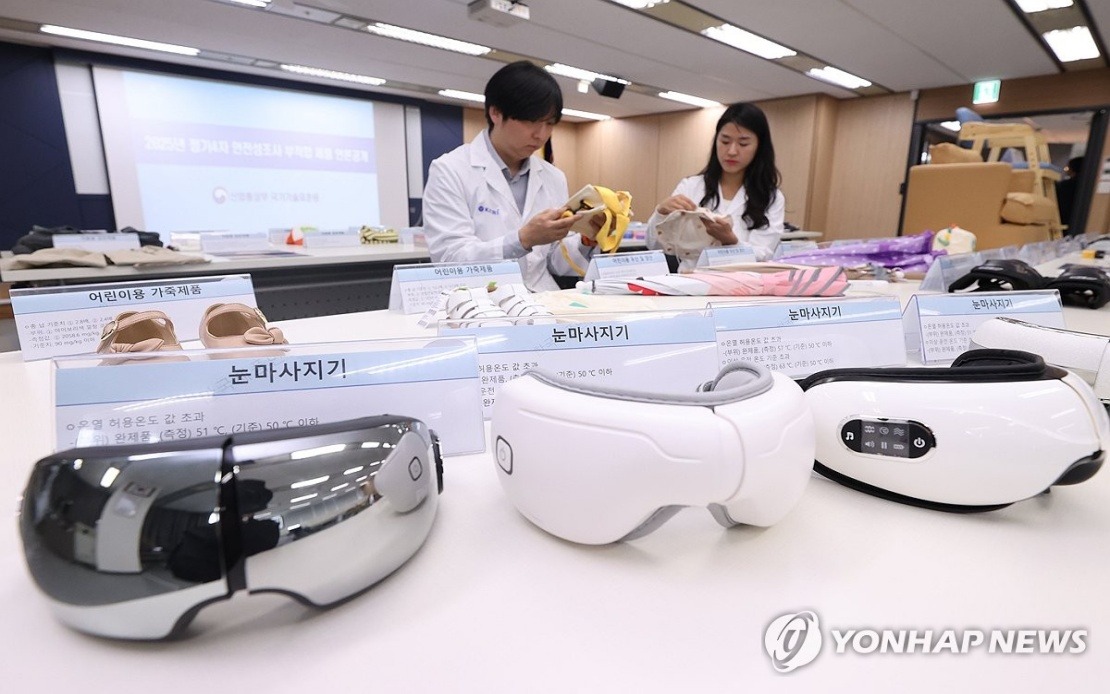
South Korea's consumer protection authorities are facing mounting challenges in managing product safety as recall cases climbed to 2,656 in 2025, marking a steady 5 per cent increase from the previous year. The Fair Trade Commission disclosed the figures on Monday, revealing a landscape where domestic online marketplaces have become conduits for substandard and previously recalled goods sourced from abroad. This trend highlights an emerging vulnerability in e-commerce ecosystems across the region, where regulatory oversight struggles to keep pace with the volume and velocity of cross-border transactions.
The most alarming aspect of the data concerns violations of South Korea's Framework Act on Consumers, which surged dramatically by approximately 42 per cent year-on-year to 851 cases. This substantial escalation points to a systemic problem: products that have already been flagged as unsafe in their countries of origin are slipping through gaps in domestic monitoring systems and reaching South Korean consumers. The phenomenon reflects a broader challenge facing regulators throughout Southeast Asia and East Asia, where enforcement mechanisms have not evolved sufficiently to address the complexities of global supply chains and direct consumer purchasing patterns.
The proliferation of hazardous imported merchandise on local online platforms represents a particular concern for South Korean authorities. Unlike traditional retail channels where wholesalers and distributors operate under closer scrutiny, digital marketplaces enable individual sellers and small operators to list products with minimal vetting. Consumers purchasing directly from overseas sources often bypass conventional import documentation and safety certification procedures, creating blind spots for regulatory agencies tasked with protecting public health and safety. This structural vulnerability in e-commerce has become increasingly evident as cross-border shopping accelerates across the region.
In response to escalating threats, South Korea's Fair Trade Commission has announced intensified surveillance operations conducted in partnership with other governmental bodies. The watchdog is actively working to disable listings for products known to pose safety hazards, specifically targeting merchandise that has already been recalled internationally or failed domestic safety assessments. This coordinated approach demonstrates recognition that fragmented agency responses prove inadequate when confronting the scale and complexity of problematic imports. However, the challenge remains formidable given the constant stream of new sellers and product listings appearing daily across multiple platforms.
Regional implications of South Korea's recall crisis extend beyond its borders. As consumers in Malaysia, Singapore, and other Southeast Asian nations increasingly engage in cross-border online shopping, many purchase identical products from sources that may lack equivalent regulatory oversight. The structural issues facing South Korean authorities—understaffed inspection teams, reactive rather than proactive enforcement, platform operators resisting cooperation—mirror difficulties encountered throughout the region. The 42 per cent spike in consumer act violations serves as a cautionary indicator of what rapid e-commerce growth can produce without commensurate regulatory evolution.
Breakdown by product category reveals differentiated trends that merit closer examination. Industrial consumer goods accounted for the largest share of recalls at 1,282 cases, representing an 8.6 per cent increase. This category encompasses everything from electronics and household appliances to sporting equipment and tools—precisely the merchandise most commonly purchased through cross-border e-commerce channels. The growth in this segment directly correlates with the influx of imported goods on online platforms, as these products frequently lack proper certification, warranty support, or compatibility with local electrical standards.
Pharmaceutical recalls, conversely, declined by 13.5 per cent to 295 cases, suggesting that stricter controls on medicinal products and herbal supplements—which typically require explicit registration and approval—remain more effective than regulations governing general consumer goods. This disparity highlights a key policy insight: products requiring pre-market approval and continuous monitoring demonstrate lower recall rates than those with lighter regulatory burdens. The finding carries obvious lessons for Southeast Asian policymakers considering how to allocate limited inspection resources most effectively.
Medical device recalls presented a middle ground, increasing 8.5 per cent to 308 cases. This category's modest growth likely reflects heightened consumer awareness of device safety combined with the specialized nature of these products, which typically command higher prices and attract more sophisticated purchasers capable of identifying genuine from counterfeit merchandise. Nevertheless, the upward trajectory warrants attention, particularly as telemedicine platforms and online health retailers proliferate throughout the region, creating new pathways for substandard devices to reach vulnerable populations.
The South Korean government has explicitly committed to prompt action against hazardous products by directing online marketplace operators to suspend sales of recalled merchandise or items identified as safety risks through official testing. This approach places responsibility on platform operators to maintain safety standards—a model increasingly adopted across Asia but frequently criticized by merchants as burdensome. The effectiveness of such arrangements ultimately depends on whether platforms prioritize consumer safety over commercial considerations and whether penalties for non-compliance prove sufficiently stringent to ensure compliance.
For Malaysian consumers and businesses, the South Korean experience offers pertinent lessons. The region's dependence on e-commerce continues expanding, particularly following pandemic-accelerated digitalization. However, regulatory frameworks have struggled to maintain pace, creating conditions where substandard products flourish. Malaysian authorities, already stretched managing domestic safety concerns, increasingly contend with imports of goods that failed to meet standards elsewhere. Strengthening coordination between KPDNKK (Kementerian Perdagangan Dalam Negeri, Koperasi dan Kepercayaan Rakyat), the MyCybersecurity unit, and online platform operators represents an urgent priority.
The broader geopolitical context also warrants consideration. As trade tensions and supply chain disruptions continue globally, pressure to source products from lower-cost suppliers has intensified, sometimes at the expense of safety standards. Consumers chasing bargains may not recognize that dramatic price advantages sometimes reflect shortcuts in manufacturing, testing, or compliance procedures. Education campaigns complementing regulatory enforcement could help Malaysian and Southeast Asian consumers understand why purchasing exclusively through authorized channels and verified sellers offers genuine value despite higher prices.
Looking forward, South Korea's rising recall rate should prompt regional governments to evaluate whether current regulatory structures and resources suffice for the digital economy. The 5 per cent annual increase in total cases, combined with the 42 per cent jump in consumer act violations, suggests acceleration rather than stabilization. Without proactive investment in enforcement capacity, technology infrastructure for real-time marketplace monitoring, and international cooperation frameworks, similar trends will likely manifest throughout Southeast Asia. The question is not whether Malaysia and its neighbors will face comparable challenges, but rather how quickly they will respond.

