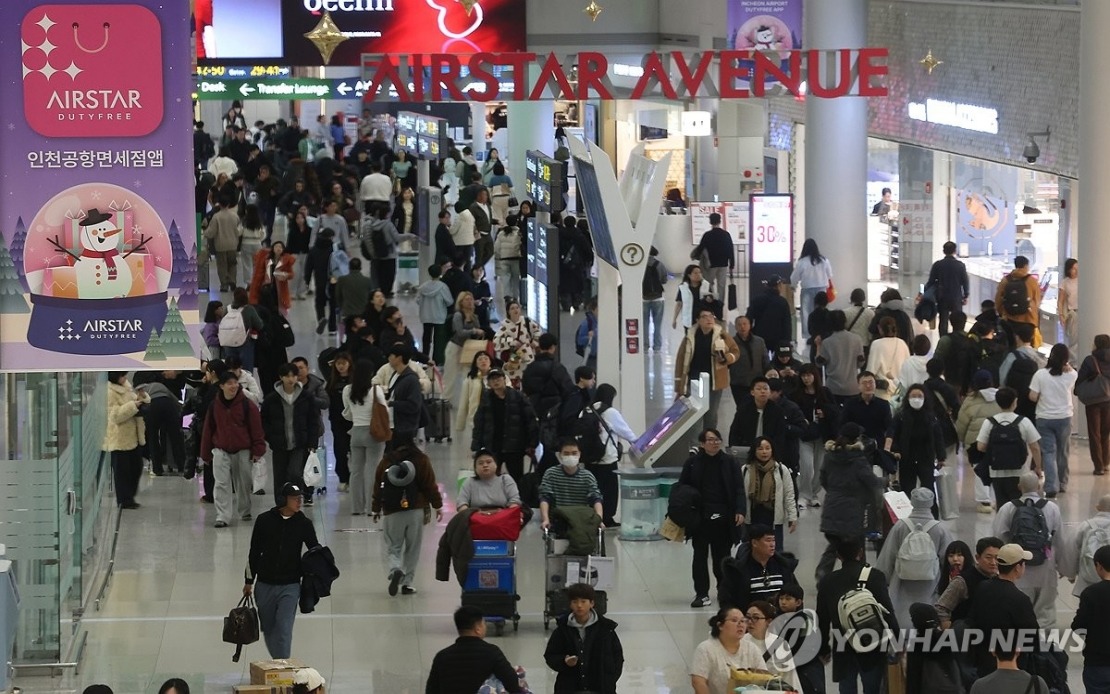
South Korea is on track to set a new annual tourism record after welcoming more than 10 million foreign visitors by the third week of June, marking a significant acceleration in inbound travel recovery. The milestone came roughly four weeks ahead of the same point last year, when the figure was reached in mid-July, signalling robust momentum in the nation's travel sector. This represents the first occasion that the 10-million visitor threshold has been breached within the first half of any calendar year, according to data from the Ministry of Culture, Sports and Tourism.
The surge in international arrivals reflects a sharp turnaround in South Korea's tourism fortunes following pandemic-related disruptions. May alone recorded 1.95 million foreign visitors, a jump of nearly one-fifth compared to the same month in 2023, demonstrating consistent month-on-month growth throughout the first quarter and beyond. This acceleration is particularly noteworthy given ongoing global economic uncertainties and elevated fuel costs stemming from tensions in the Middle East, which have typically dampened international travel demand across Asia-Pacific regions.
China remains the dominant source market for South Korean tourism, with Chinese visitors accounting for 560,000 arrivals in May, nearly one-third of the monthly total. Japan and the United States follow as the second and third largest contributor nations, bringing 360,000 and 210,000 visitors respectively. This geographic distribution underscores South Korea's sustained appeal across the region's largest economies, as well as its continued cultural influence on Japanese and American audiences through entertainment exports and lifestyle trends.
A particularly encouraging trend for long-term tourism development is the geographic diversification of visitor flows beyond the Seoul metropolitan area. Regional airport arrivals have climbed steadily throughout the year, expanding from 230,000 passengers in January to 360,000 by May. This expansion suggests that marketing efforts promoting secondary destinations and improved transportation infrastructure are successfully distributing tourism revenue across provincial regions, reducing the over-concentration of visitor spending in the capital.
The economic impact of this visitor surge is substantial. Foreign visitors' card expenditure in May, encompassing both in-store and online transactions, reached 2.12 trillion won (approximately US$1.38 billion), marking the first instance that monthly foreign tourism spending has exceeded the 2 trillion won threshold since comparable tracking began in 2018. This figure illuminates the high value per visitor that South Korea attracts, with international tourists contributing meaningfully to retail, hospitality, dining, and entertainment sectors nationwide.
For Southeast Asian nations including Malaysia, South Korea's tourism recovery carries important implications. The rapid growth trajectory demonstrates consumer appetite for East Asian travel experiences and suggests that competitive destinations across the region must intensify their own promotional efforts to capture tourist segments. Regional airports in Malaysia and neighbouring countries are likely to benefit from increased connecting traffic as tourists undertake multi-country itineraries, though there is also potential for South Korea to absorb a larger share of available tourism spending in the Asia-Pacific market.
Government authorities have recognized that sustained growth requires strategic coordination beyond traditional tourism promotion channels. Kang Jung-won, head of the Ministry of Culture, Sports and Tourism's policy division, indicated that cooperation with private-sector stakeholders will be deepened to maintain momentum. The emphasis on leveraging cultural exports, particularly through K-pop industries and export-oriented companies, reflects a sophisticated understanding that tourism competitiveness increasingly depends on integrated brand positioning combining entertainment, consumer goods, and travel experiences.
The expansion of the tourism sector also generates employment and business opportunities throughout South Korea's economy. Hotels, restaurants, retail establishments, transportation services, and entertainment venues all benefit from heightened visitor volumes. The dispersal of tourists to regional destinations creates positive multiplier effects in provincial economies that traditionally lag behind Seoul in terms of commercial activity and foreign exchange earnings.
Looking ahead, South Korea's tourism ministry faces the challenge of maintaining growth momentum through the remainder of the year while managing capacity constraints and ensuring quality visitor experiences that generate positive word-of-mouth recommendations. The country's success in attracting both high-volume traffic and elevated per-visitor spending suggests that the combination of cultural appeal, infrastructure quality, and aggressive promotion can overcome cyclical travel disruptions and competitive pressures from alternative destinations in the region.

