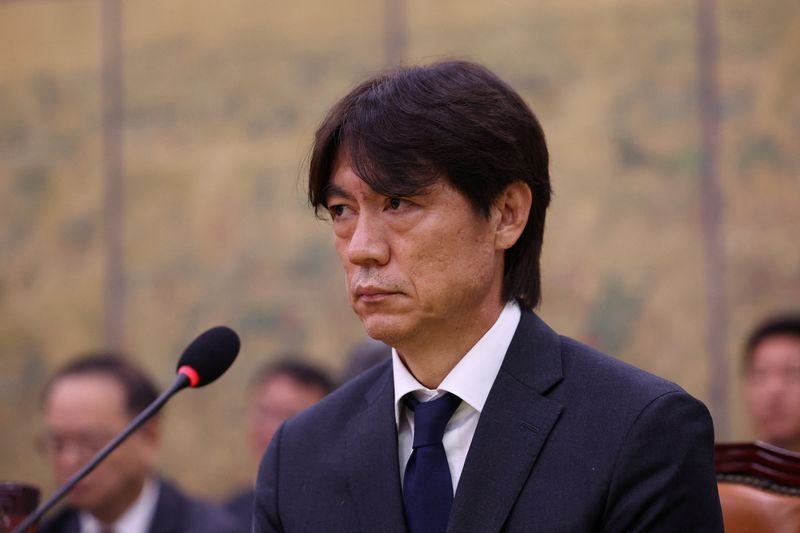
Authorities in Seoul moved swiftly this week to investigate allegations of misconduct at the Korea Football Association, with police executing a raid on the organization's offices as part of a formal probe into what officials characterise as obstruction of business. The operation targeted records and communications related to the contentious appointment of Hong Myung-bo as the national team's head coach, an issue that has festered in South Korean football circles since his hiring in 2024 and intensified following the country's disappointing performance at the World Cup.
Hong's return to the coaching position marked his second tenure leading the national side, having previously served in the role between 2013 and 2014. However, the manner of his appointment drew immediate criticism from observers and officials who questioned the legitimacy of the decision-making process. The KFA had reportedly embarked on an extensive recruitment effort spanning several months and considering multiple international candidates before abruptly abandoning this methodical approach in favour of appointing Hong following what amounted to a single, hastily arranged meeting.
The swiftness of this pivot alarmed critics who viewed it as a departure from standard governance procedures. Rather than concluding a transparent, comprehensive selection process, the football association appeared to have made a unilateral decision based on minimal deliberation. This approach violated the organization's own established protocols for senior staff appointments, raising questions about the oversight mechanisms supposedly in place to ensure accountability within South Korea's national sports administration.
These concerns proved prescient when South Korea's World Cup campaign ended in first-round elimination, a result that intensified public scrutiny of Hong's appointment and the process surrounding it. The nation's disappointing early exit created political pressure on the football association and sparked broader questions about competence and decision-making at the highest levels of the sport's governance. Opposition lawmakers seized on the issue during parliamentary proceedings, using it as a focal point for criticism of the sports establishment's management.
At a parliamentary hearing conducted last month, Hong appeared before legislators to address accusations that he had received preferential treatment during his appointment. The former coach maintained his position that no impropriety had occurred in his hiring, whilst simultaneously acknowledging responsibility for the national team's failure to progress beyond the group stage. His testimony represented an attempt to defend the legitimacy of his appointment whilst simultaneously accepting accountability for on-field performance—a delicate balancing act reflecting the political sensitivity surrounding the entire matter.
The government's own investigation into the affair, conducted by South Korea's sports ministry in October 2024, validated many of the concerns raised by critics. Officials determined that the KFA had indeed breached its own internal regulations governing the appointment process for senior coaching positions. Specifically, the ministry found that the meeting between the technical director and Hong did not constitute a proper, formal interview as required by established procedures. This determination extended to the appointment of Juergen Klinsmann, the previous head coach, suggesting systemic problems in how the association managed senior hiring decisions.
Despite these findings, the ministry's investigation stopped short of identifying criminal violations. Officials concluded they had uncovered no evidence of illegal conduct that would warrant sanctions against individuals or necessitate the termination of Hong's contract. This technical distinction between procedural violations and criminal wrongdoing has proven significant, as it allowed Hong to remain in his position despite the confirmation that irregular processes had been followed in his appointment.
The police investigation now underway represents an escalation beyond the administrative review already completed by the sports ministry. Investigators are examining whether actions by KFA officials crossed the threshold from administrative irregularity into criminal territory, specifically focusing on allegations of obstruction of business. This criminal inquiry suggests authorities believe the investigation may have uncovered evidence of deliberate obstruction or interference in the appointment process, rather than mere procedural sloppiness.
Police had commenced their criminal investigation into complaints regarding Hong's appointment well before the World Cup debacle, indicating that concerns about the legitimacy of the hiring process existed within South Korea's sports bureaucracy from the moment the announcement was made. The extended timeline of inquiries—from the initial police complaints through the ministry investigation and now the formal police raid—demonstrates the seriousness with which authorities have treated allegations of misconduct at the national football level.
For Malaysian observers and Southeast Asian football administrators, this episode illustrates the heightened scrutiny surrounding national team coaching appointments in East Asia and the serious consequences that can follow when organizations deviate from established governance procedures. South Korea's experience underscores how poor decision-making processes at administrative levels can trigger cascading investigations and political fallout, particularly when on-field performance disappoints. The case also demonstrates the complex relationship between administrative irregularity and criminal liability in Asian sports governance, where procedural violations often prove easier to establish than criminal intent.
The absence of announced criminal findings against Hong or other KFA officials to date leaves the investigation's ultimate trajectory unclear. However, the decision to conduct a formal police raid indicates that investigators possess sufficient grounds to believe criminal misconduct may have occurred. As the inquiry continues, the football association faces ongoing scrutiny regarding its governance practices and decision-making transparency, concerns that resonate across Asian sports organizations grappling with similar questions about institutional accountability and proper administrative procedure.

