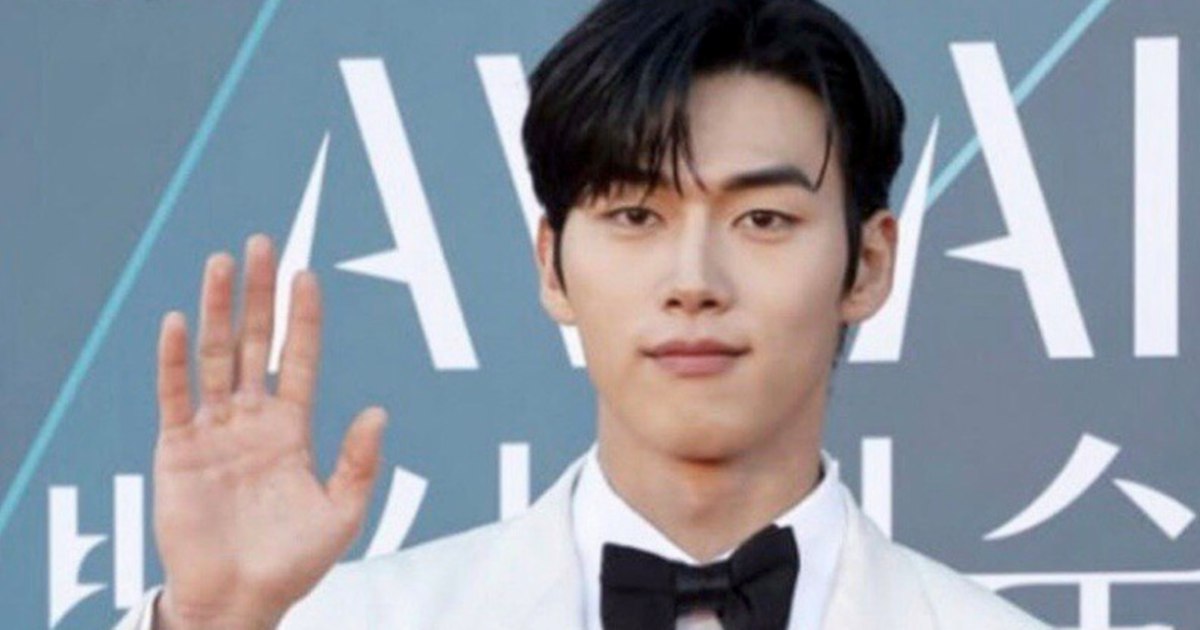
South Korean actor Hong Min-gi faces a serious challenge to his professional reputation as allegations of verbal and physical abuse from his former girlfriend have surfaced. The accuser, identified publicly only as A, is an influencer whose allegations carry potential ramifications not only for the actor's standing in the entertainment industry but also for broader conversations about accountability in the sector. Hong Min-gi's agency has responded swiftly with a categorical denial of all charges and has signalled its intention to pursue aggressive legal countermeasures.
The emergence of such allegations reflects an ongoing pattern within the South Korean entertainment landscape, where personal conduct controversies frequently spill into the public domain via social media platforms and digital channels. Unlike previous decades when such matters remained largely private, contemporary celebrities face immediate scrutiny and potential reputational damage when former partners make public accusations. The case of Hong Min-gi underscores how allegations—whether substantiated or not—can rapidly gain traction among online audiences and influence public perception before formal investigations or legal proceedings commence.
Agency responses to such controversies have evolved significantly in recent years. Rather than silence or vague statements, entertainment companies increasingly adopt proactive legal strategies, warning accusers of defamation suits and demanding evidence. Hong Min-gi's agency's decision to escalate matters through legal channels reflects this defensive posture, though such strategies can sometimes backfire if courts ultimately find merit in the complainant's account. The agency's assertiveness suggests confidence in the actor's position, yet the mere existence of allegations creates a challenging dynamic where the court of public opinion often operates independently of legal outcomes.
Influencers who engage in public allegations occupy a complex position within this ecosystem. They possess significant platforms through which to broadcast their accounts, yet simultaneously face exposure to counterclaims and legal liability if their allegations cannot withstand scrutiny. The decision by Hong Min-gi's former partner to publicise these matters suggests considerable distress and a calculation that public disclosure would compel accountability where private resolution proved unavailable. However, the specific nature of the allegations—verbal and physical abuse—represents among the most serious charges one can level against another person, carrying substantial legal and reputational consequences if sustained.
The timing and context of such revelations frequently matter considerably in determining their trajectory and ultimate impact. South Korea has witnessed increasing momentum in movements challenging workplace misconduct and interpersonal abuse across entertainment, corporate, and institutional sectors. This broader cultural moment potentially amplifies attention to individual allegations, as the public becomes increasingly attuned to such narratives. Simultaneously, however, heightened awareness can also trigger greater scepticism, as observers recognise that not all allegations prove accurate upon investigation.
For Malaysian audiences and Southeast Asian observers, this controversy reflects universal tensions within the global entertainment industry. The region's own entertainment sectors grapple with similar questions regarding accountability, power dynamics between celebrities and their associates, and the role of public disclosure versus formal legal processes. While South Korean entertainment holds particular influence across Southeast Asia due to the region's substantial K-pop and K-drama consumption, these underlying issues transcend national boundaries and cultural contexts.
The legal implications of Hong Min-gi's situation remain substantial regardless of the allegations' veracity. If his agency proceeds with defamation suits against the accuser, courts must evaluate whether her statements constitute factual allegations subject to legal remedy or constitute protected commentary. Simultaneously, if the allegations eventually gain credible substantiation, the actor could face criminal charges alongside civil liability. This legal complexity explains why agencies typically counsel careful strategic responses rather than blanket denials, though such nuance frequently proves difficult to communicate effectively in digital public discourse.
The influencer designation of the accuser carries particular significance in contemporary media dynamics. Influencers maintain direct communication channels with substantial follower bases and can shape narratives through their platforms without traditional media gatekeeping. This capacity grants them considerable power in publicising allegations, yet also positions them as responsible for the accuracy and potential consequences of their public statements. The power differential between established celebrities and even prominent influencers remains contested terrain in contemporary entertainment cultures.
Observers should anticipate that this controversy will likely persist across multiple dimensions simultaneously. Parallel legal proceedings, social media discourse, and media reporting will unfold according to different timelines and evidentiary standards. The court system will eventually render judgments on narrow legal questions of defamation or potential criminal charges, while public opinion may reach different conclusions based on partial information, cultural assumptions, and pre-existing attitudes toward gender dynamics and accountability. This multiplicity of processes operating simultaneously creates particular challenges for individuals seeking to rehabilitate their public images.

