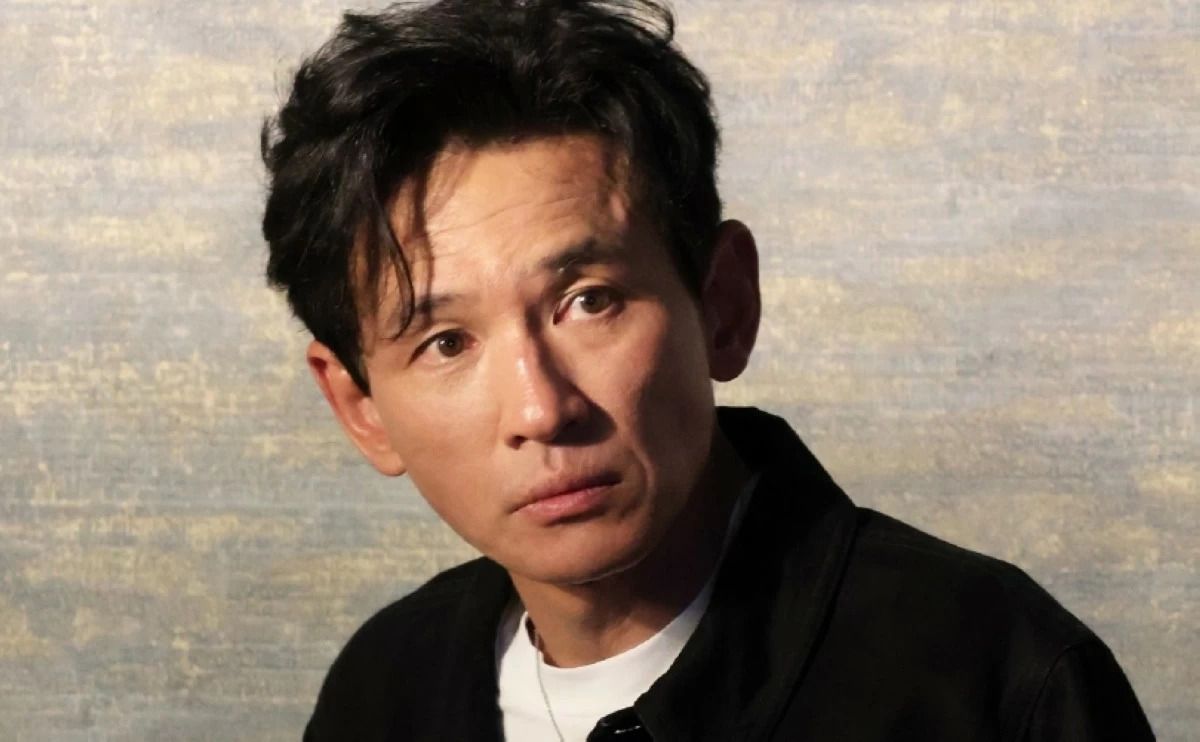
South Korean cinema's biggest box-office draw, actor Hwang Jung-min, 55, is at the centre of a escalating legal dispute after his management agency moved swiftly to dismantle allegations of an extramarital affair. On July 29, the actor's representatives issued a forceful statement characterising the accuser as a persistent criminal suspect in a stalking investigation, signalling their intent to intensify legal proceedings against her. The denial represents a high-stakes moment for one of Asia's most bankable entertainment personalities as he navigates reputational fallout during an active film career.
The controversy erupted when a woman posted material on social media claiming to present evidence of a romantic relationship between herself and the married actor. She shared what she described as text message exchanges, photographs, and an audio recording purporting to document their involvement. Rather than engaging substantively with the accusations, Hwang's agency swiftly reframed the narrative, characterising the woman as an individual with a documented history of harassment toward the actor.
The legal history between the parties extends back to 2025, when Hwang filed a criminal complaint against the woman. This complaint appears to have triggered a series of judicial interventions designed to protect the actor from ongoing contact. A court has issued restraining orders against the accuser on three separate occasions, demonstrating a pattern the judiciary apparently viewed as sufficiently problematic to warrant repeated intervention. Additionally, the woman received a financial penalty of three million won—approximately RM8,525—through a summary order, a streamlined legal procedure that typically applies to less complex cases.
Understanding the Malaysian equivalent value of the fine provides perspective: the sum represents a meaningful but not astronomical penalty under South Korean law, comparable to what might be imposed for harassment or minor criminal conduct in that jurisdiction. The punitive measure signals that at minimum, South Korean courts recognised some basis for the allegations of persistent unwanted contact, though financial penalties do not necessarily speak to the truthfulness of the affair allegations themselves.
The accuser has contested her fine and initiated steps toward a formal trial, according to local reporting, indicating she intends to pursue her case through the judiciary rather than accepting the summary judgment. Simultaneously, she has filed a separate civil suit against Hwang seeking damages, suggesting she views herself as the aggrieved party. This dual-track legal approach—fighting the penalty imposed on her while claiming damages from the actor—illustrates the complexity of the dispute and her determination to air her grievances through formal channels.
Hwang's management agency characterised the social media posts as "maliciously edited" content designed to damage the actor's reputation, a claim that introduces questions about the authenticity and proper context of the material she shared. Critically, however, the agency stopped short of explicitly denying that the audio recording itself is genuine, instead focusing its denial on the editing and curation of the material. This careful linguistic manoeuvre avoids a blanket denial that could be contradicted if the recording proves authentic, while still maintaining that the overall narrative presented is false or misleading.
The actor's matrimonial status adds another layer to the dispute. Hwang has been married to Kim Mi-hye since 2004—a nearly two-decade partnership. Notably, Kim Mi-hye is not merely the actor's spouse but also his professional partner, serving as head of SEM Company, the management agency that issued the denial statement. This dual personal and professional relationship means reputational damage to Hwang affects both family stability and their shared business interests, explaining the aggressive legal posture the agency has adopted.
For Malaysian audiences and Southeast Asian readers more broadly, the case illustrates the intensifying role of social media in celebrity scandals across East Asia. The ability of an individual accuser to broadcast allegations directly to audiences—bypassing traditional media gatekeepers—represents a genuine challenge to public figures' narrative control, even when courts ultimately side with the celebrity. The court rulings against the accuser have not erased her claims from the internet, and the agency's rebuttal, while legally rigorous, must compete for credibility in a digital ecosystem where allegations can circulate widely regardless of their legal status.
The controversy emerges during an active period of Hwang's career. He is currently starring in Na Hong-jin's action thriller, which features an international ensemble cast including Hollywood actors Michael Fassbender and Alicia Vikander alongside Korean stars Jo In-sung and Jung Ho-yeon. The film is scheduled to premiere in Singapore on September 10, meaning the legal dispute unfolds against a backdrop of active promotional commitments and global market exposure. The timing creates complications for all parties: the scandal could affect box-office performance and audience perceptions, while the actor's schedule may complicate his ability to defend himself comprehensively in court.
The agency's apology for the "concern" the matter has caused reads as a calculated acknowledgement of reputational impact rather than an admission of wrongdoing, further suggesting their strategy is to present Hwang as a victim rather than a transgressor. By framing the woman as a criminal stalking suspect first and addressing the affair allegations second, the management firm attempts to establish that the accuser's credibility is compromised by prior behaviour, thereby undermining the legitimacy of her current claims.
Moving forward, the case will likely depend heavily on how South Korean courts assess the authenticity and context of the evidence the woman has presented, particularly the audio recording. Her pursuit of a formal trial rather than accepting the summary penalty indicates she believes she has a defensible position, whether regarding the affair itself or her entitlement to damages from Hwang. The overlapping criminal and civil proceedings mean this dispute will occupy Korean courts for some time, keeping Hwang's personal life in the public eye during a commercially sensitive period for his latest film project.

