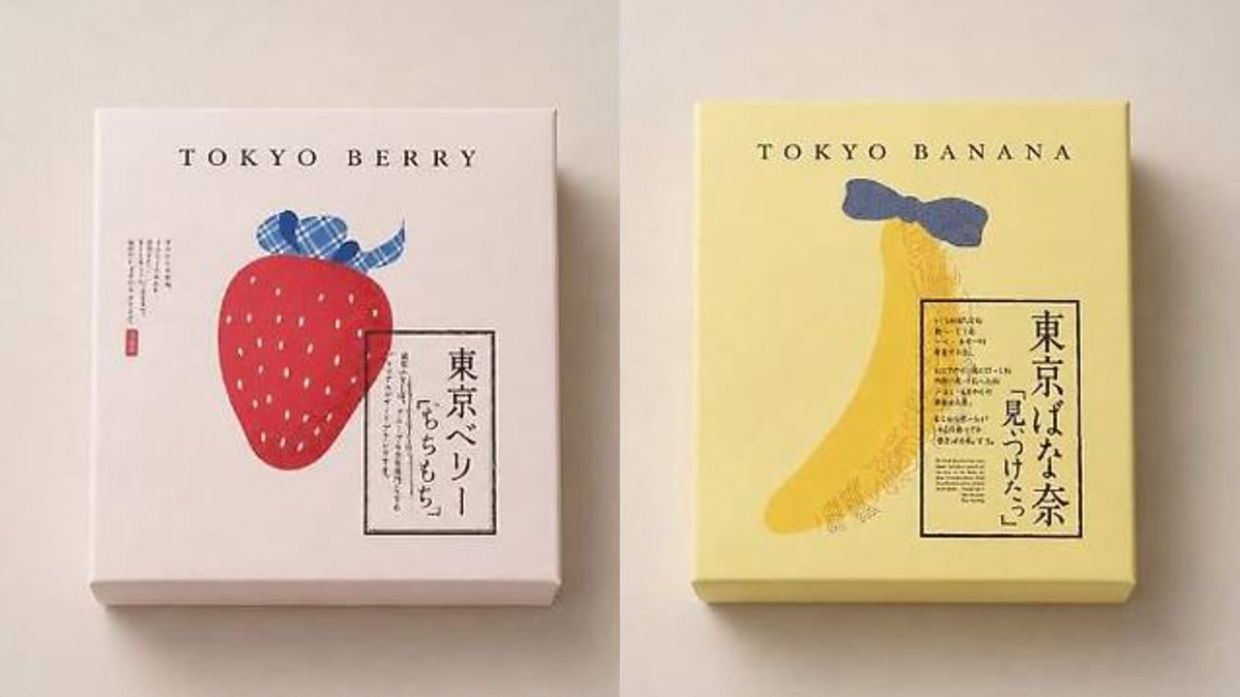
A recently established South Korean food and beverage company called Tokyo Berry has found itself at the centre of a trademark and design controversy after consumers alleged its product packaging and overall branding closely mirror those of Tokyo Banana, a widely recognised Japanese confectionery manufactured by Grapestone. The resemblance between the two brands has prompted significant public concern about potential consumer deception, with shoppers expressing worry that they might inadvertently purchase the Korean product under the mistaken impression it originated from Japan.
Tokyo Banana, which has built substantial brand equity across East Asia, is a distinctive banana-shaped sponge cake that has become synonymous with Japanese confectionery excellence. The product's heritage, packaging design, and marketing narrative have established it as a premium offering in the region's dessert market. By contrast, Tokyo Berry entered the South Korean market as a newcomer, yet managed to generate substantial consumer interest through strategically positioned pop-up stores across major retail venues including Lotte and Shinsegae department stores, where initial queuing attracted considerable foot traffic.
The controversy erupted when observant consumers began posting comparative images on social media platforms, placing the packaging of both brands side by side to demonstrate the striking visual similarities. These comparisons quickly gained traction online, amplifying public awareness of the alleged copying and prompting broader scrutiny of Tokyo Berry's marketing approach and product design philosophy. The viral nature of these posts transformed what might have remained a niche complaint into a significant reputational crisis for the Korean brand.
Tokyo Berry's marketing messaging proved particularly contentious in this context. The brand promoted itself using language that emphasised its connection to Tokyo's culinary tradition, with slogans describing its products as "capturing the flavours of seasonal fruits and the essence of Tokyo." This phraseology, combined with the visually similar packaging, created a compelling case for consumers who felt deliberately misled about the product's geographic origin. Many online commentators noted that the branding strategy appeared deliberately designed to evoke associations with Japanese quality and heritage, despite the company being entirely South Korean.
The reputational damage extended beyond packaging design when consumers identified additional alleged copying within the product's inner wrapping. Tokyo Berry's packaging materials reportedly drew inspiration from hanji, the traditional Korean paper used by premium domestic competitor Hanjungsun, which specialises in chapssaltteok—a traditional Korean rice cake filled with sweet bean paste and other ingredients. This dual-layer allegation, combining mimicry of both Japanese and Korean premium brands, intensified criticism and suggested a systematic approach to borrowing established design elements rather than developing original branding.
Public response revealed a notable generational and cultural dimension to the controversy. Some online users characterised the situation as a "national embarrassment," reflecting broader sensitivities in South Korea regarding international brand perceptions and questions about authenticity in the country's food industry. The incident raised uncomfortable questions about whether aggressive marketing tactics that blur geographic origins constitute deceptive practices, particularly in food and beverage sectors where consumer trust remains paramount.
In response to escalating criticism, Tokyo Berry moved to limit further reputational damage by restricting access to its promotional Instagram account, hiding previous posts and disabling the comment function to prevent additional negative feedback. However, this defensive measure appeared to signal weakness rather than resolution, further fuelling suspicion about the brand's awareness of potential wrongdoing and its willingness to address consumer concerns transparently.
The commercial consequences materialised swiftly when department store management intervened. A representative from the retail sector informed media outlets that all scheduled Tokyo Berry pop-up locations had been cancelled, effectively suspending the brand's retail expansion strategy and removing its products from prime shopping locations. This decision represented a significant setback for a brand that had only recently launched and depended entirely on physical retail presence to build market awareness and generate sales momentum.
Meanwhile, Grapestone—Tokyo Banana's parent company—initiated its own investigation into the matter, confirming that the Japanese company took the allegations seriously enough to warrant formal review. Through media statements, Grapestone acknowledged receiving reports about the issue and indicated that relevant internal departments were examining the details, suggesting a potential pathway toward formal action, whether through legal channels or direct negotiation.
This controversy carries broader implications for Southeast Asian and East Asian consumer protection standards and intellectual property enforcement. As regional markets become increasingly interconnected through e-commerce and social media, the ability of consumers to identify and expose alleged copying has strengthened dramatically. The Tokyo Berry situation demonstrates how rapidly reputational damage can accumulate in an environment where information spreads instantly across digital networks, making brand authenticity and transparent marketing increasingly critical competitive factors.
The incident also highlights ongoing tensions surrounding cultural and commercial branding practices in the region. With Japanese brands enjoying significant prestige in Asian markets, Korean companies sometimes leverage superficial connections to Japanese aesthetics and heritage to enhance product perception. Yet as this case demonstrates, modern consumers increasingly expect transparency about product origins and become hostile toward perceived deception, suggesting that long-term brand success requires genuine differentiation rather than borrowed credibility.

