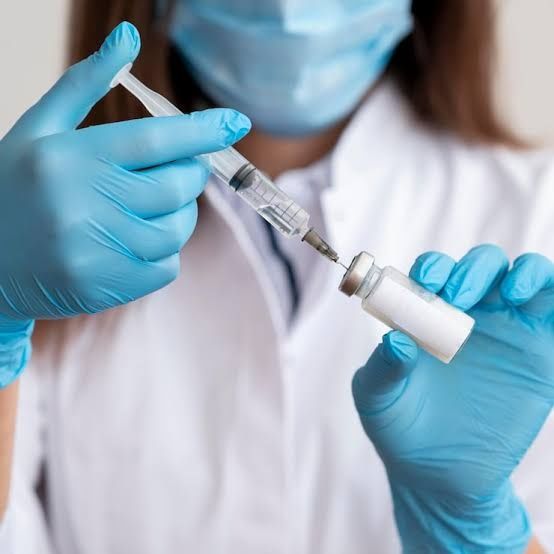
A nurse assistant in her twenties has been taken into custody by Seoul Gangnam Police Station after being discovered self-administering propofol, a controlled anaesthetic drug, during her inaugural shift at a dermatology clinic in the affluent Gangnam district. The arrest on July 7 marks another troubling incident in what authorities and healthcare experts increasingly view as a systemic problem with how medical facilities across South Korea manage access to and disposal of powerful pharmaceuticals.
The woman, identified only by her age and occupation, is facing formal charges under the Narcotics Control Act. Investigators allege that she located a used syringe containing residual propofol in a waste disposal bin within the clinic and proceeded to inject the remaining substance into herself. Police have described the case as part of an expanding investigation into whether the suspect had engaged in habitual drug use prior to her arrest, though she was released on bail pending further inquiries rather than being held in physical custody.
Propofol represents one of the more hazardous substances that medical professionals encounter in clinical environments. The drug functions as a rapid-acting intravenous sedative specifically designed to induce general anaesthesia during surgical and diagnostic procedures. When misused outside of controlled medical settings and without professional supervision, propofol carries substantial health risks including severe respiratory depression, cardiovascular instability, and in extreme cases, fatal overdose. The medical establishment has documented numerous cases where recreational or habit-forming use of propofol has resulted in serious complications and deaths, making any instance of non-medical consumption particularly alarming.
The Seoul incident reflects a broader and increasingly urgent concern among South Korean healthcare administrators, medical regulators, and public health authorities. Substance abuse among healthcare workers is not unique to South Korea, but the prevalence of powerful narcotics in hospitals and clinics, combined with what critics characterise as inadequate security protocols, has created an environment where such incidents occur with troubling frequency. Medical professionals have raised alarm about inconsistent standards regarding how medications are stored, who has access to them, and the procedures governing their disposal across different healthcare facilities.
Data released in June by the Drug Ministry and the Korea Institute of Drug Safety and Risk Management provides sobering context for understanding this problem. The statistics reveal that approximately 20.2 million South Koreans—representing roughly four in every ten citizens—received at least one prescription for a medical narcotic during 2025 alone. This extraordinarily high rate of narcotic prescription indicates not only the burden of pain and medical conditions requiring such treatment, but also raises questions about prescription practices, patient vulnerability to dependency, and the sheer volume of controlled substances circulating through the healthcare system.
The prevalence of medical narcotic use nationwide creates multiple pressure points where oversight can fail. Clinics and hospitals must manage not only the initial distribution of these medications to patients, but also their secure storage, accounting, and disposal. Healthcare workers themselves, given their proximity to and familiarity with these substances, face unique temptations and rationalisation patterns that distinguish their risk profile from the general population. The case of the nurse assistant—someone on their very first day of employment—suggests that inadequate supervision and orientation procedures may also be contributing factors.
Critics and professional organisations have begun pressing for comprehensive reforms to how South Korean healthcare facilities regulate access to controlled substances. These proposals typically include enhanced physical security measures for medication storage, more rigorous accounting and inventory systems, improved staff training on proper disposal protocols, and stricter oversight of who has access to narcotics at different times. Some advocates have called for mandatory reporting systems that would flag unusual access patterns or disposal anomalies that might indicate misuse.
The timing of this arrest comes as South Korea grapples with broader questions about substance abuse among healthcare workers. Unlike some countries where such incidents remain largely hidden or handled through internal disciplinary processes, South Korean authorities have demonstrated increasing willingness to pursue criminal charges, signalling a shift towards treating healthcare worker narcotic abuse as a public health matter rather than a purely occupational issue.
For Malaysian healthcare administrators and policymakers, the South Korean situation offers instructive lessons. While Malaysia's healthcare system operates under different regulatory frameworks and institutional structures, the fundamental challenge of preventing narcotics diversion and abuse among healthcare workers remains universal across East and Southeast Asia. The high rates of medical narcotic prescription identified in South Korea suggest similar patterns may exist in other regional economies, warranting examination of current security and oversight practices in Malaysian hospitals and clinics to ensure that gaps do not create comparable risks to patient safety and healthcare worker wellbeing.

