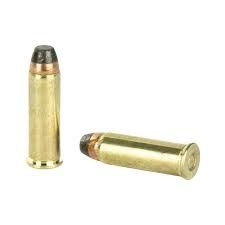
A police officer serving with South Korea's Gyeonggi province force has become the subject of a formal criminal inquiry after authorities discovered he was attempting to board a commercial aircraft carrying live ammunition, according to officials from Jeju Island's police division who made the disclosure on July 3. The discovery raises fresh concerns about weapons security protocols within the nation's law enforcement agencies and comes at a time when airport safety remains a critical priority across East Asia.
The incident unfolded on the evening of June 28, when the officer in his 30s approached the departure gate at Jeju Airport with two live bullets intended for a domestic flight to Gimpo Airport. The Jeju Seobu Police Station has initiated a comprehensive investigation into the breach, with the officer now facing potential charges under the Act governing the safety management of guns, swords and explosives—a stringent legal framework that underscores South Korea's zero-tolerance approach to weapons violations in sensitive environments. Notably, the officer was not carrying an actual firearm when he attempted to travel, a detail that authorities are examining as part of their inquiry into his intentions and awareness of regulations.
The discovery occurred during routine security screening at Jeju Airport's departure area. Security officials subsequently traced the officer's movements after identifying the ammunition, revealing that he had travelled to Jeju from Gimpo on June 26 without carrying any bullets in his checked luggage—a detail that suggests the ammunition was either acquired after arrival on Jeju Island or was previously undeclared. The apparent inconsistency in the officer's luggage contents during the outbound and return journeys is now central to investigators' efforts to establish a complete timeline of events.
Forensic analysis conducted by South Korea's National Forensic Service determined that the two rounds were manufactured for a .38-calibre pistol, the standard-issue sidearm distributed to the majority of police officers across South Korean law enforcement agencies. This finding is particularly significant because it narrows the investigation's focus and raises questions about how ammunition intended for official service weapons came to be in the officer's possession outside of proper institutional channels and secure storage facilities.
During initial questioning, the officer claimed that he had received the bullets from a former colleague who recently retired from the police force. This explanation has prompted investigators to expand their inquiry to include interviews with the retired officer and examination of any documentation related to the transfer of ammunition between serving and former personnel. The involvement of a retired colleague introduces additional complications, as investigators must determine whether proper procedures were followed in the handover and whether the retired officer retained access to police ammunition despite leaving active service.
South Korea maintains some of the world's most rigorous firearms and ammunition regulations, reflecting the nation's comprehensive approach to public safety and crime prevention. The regulatory environment stands in marked contrast to many Western nations and reflects broader East Asian norms surrounding weapons control. Police officers are explicitly required by standing orders to store their personal service weapons in secure armouries located at their respective police stations rather than maintaining them at home or transporting them for personal reasons. This system is designed to minimise the risk of unauthorised possession, theft, or misuse of law enforcement weaponry.
The case has immediate relevance for Malaysia and other Southeast Asian nations that grapple with similar challenges in maintaining weapons security protocols within police forces and military organisations. The incident demonstrates how lapses in individual compliance can expose vulnerabilities in institutional systems, even within highly trained and regulated agencies. For Malaysian authorities, the case provides a cautionary example of the importance of regular audits of weapons storage procedures and clear consequences for officers who circumvent established protocols.
Airport security agencies across the region are likely to scrutinise this incident carefully, as it represents a breach in the layered defence systems designed to prevent weapons and ammunition from being transported on commercial flights. While the officer was not carrying an actual firearm, the presence of live ammunition raises questions about whether additional screening measures might be necessary for law enforcement personnel, who often enjoy certain exemptions from standard security procedures. The security implications extend beyond individual negligence to encompass systemic questions about whether protocols adequately account for the possibility of insider threats or lapses in judgment among trained officers.
Investigators are now examining broader patterns within the Gyeonggi province police force to determine whether this represents an isolated incident or whether wider training, supervision, or disciplinary deficiencies exist. The inquiry will likely result in revised procedures and renewed emphasis on weapons security compliance among all officers. The case also raises questions about retirement protocols and the proper decommissioning or accounting of ammunition when officers leave the force—an area that may require tighter oversight across South Korean law enforcement agencies.
The investigation underscores the persistent challenges faced by security services in maintaining consistent compliance with established procedures, even among personnel who are extensively trained and vetted. While South Korea's regulatory framework is robust, this incident reveals that no system is immune to human error or individual lapses in judgment. The outcome of this investigation will likely inform policy adjustments not only within South Korean law enforcement but may also serve as a reference point for other nations evaluating their own weapons management protocols and airport security procedures.

