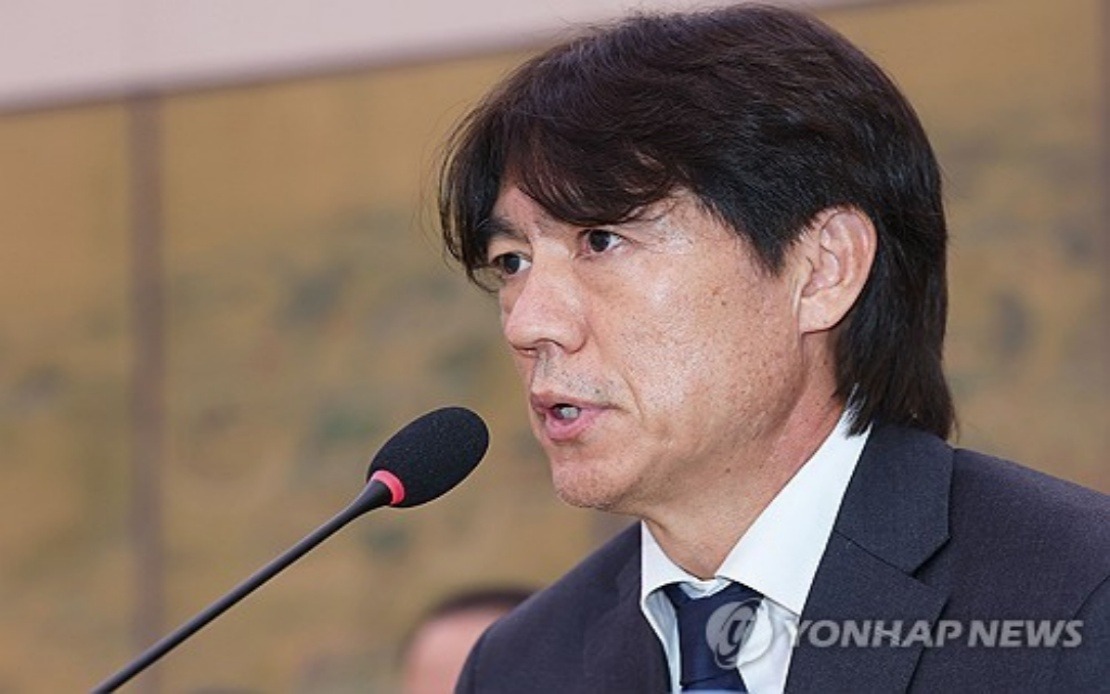
South Korean police conducted a comprehensive search of the Korea Football Association's premises on Thursday as part of an investigation into allegations that federation officials manipulated the appointment process for former men's national team head coach Hong Myung-bo. The operation targeted two locations—the KFA headquarters in Cheonan, situated approximately 90 kilometres south of the capital Seoul, and the federation's central Seoul offices. Law enforcement officials were seeking documentary evidence that could illuminate whether high-ranking association executives unlawfully influenced the hiring decision made in July 2024.
The investigation centres on the conduct of former federation president Chung Mong-kyu and ex-technical director Lee Lim-saeng, both of whom are suspected of improperly intervening in the recruitment of Hong. The circumstances surrounding his appointment have drawn considerable scrutiny, with critics contending that the process bypassed standard procedural safeguards that typically govern such significant personnel decisions at the federation. Investigators are attempting to determine whether these individuals abused their positions of authority to ensure Hong's selection as the national team's leader.
Accounts of how Hong received the offer have become emblematic of the broader allegations of irregularity. According to reports, Lee—who held no official authority over coaching appointments—allegedly extended the job offer to Hong in an informal setting near Hong's residence, specifically at a bakery. This unconventional approach to announcing such a consequential decision stands in marked contrast to formal recruitment procedures and has fuelled questions about the legitimacy of the entire process. The casual nature of the interaction contrasts sharply with standard practice in professional sports administration across the region and internationally.
The current police operation represents a significant escalation in an investigation that initially commenced roughly two years earlier but had subsequently lapsed from public consciousness. Interest in the case resurged dramatically following South Korea's disappointing performance at the FIFA World Cup, where the national team exited during the group stage. This elimination and the accompanying domestic recriminations created political momentum to revive scrutiny of decisions that preceded and potentially contributed to the team's poor tournament showing. The timing demonstrates how sporting failure can trigger broader accountability mechanisms in governance structures.
Hong's tenure as head coach proved brief and ultimately unsuccessful. He departed his position at the end of June following the team's group-stage elimination from the World Cup, a result that disappointed the South Korean football public and prompted soul-searching within the federation. His appointment, despite its controversial origins, failed to deliver the competitive outcomes that would have vindicated the decision or provided cover for the irregularities surrounding the hiring process. The combination of procedural concerns and on-field disappointment created a compelling case for authorities to intensify their examination.
A civic advocacy group had previously filed a formal complaint against Hong and Chung, alleging multiple infractions including obstruction of official duties, breach of fiduciary trust, coercion, and intimidation. These allegations encapsulate the broader concerns about how the appointment process unfolded and suggest potential criminal wrongdoing beyond administrative irregularity. The complaint demonstrates that public interest groups view the matter as sufficiently serious to warrant formal legal action, indicating that controversy extends beyond internal federation disputes into questions of potential corruption and abuse of position.
Parliamentary oversight has also intensified. Lawmakers convened a hearing late last month during which both Hong and Chung faced questioning about matters extending beyond the appointment itself to encompass broader questions of KFA governance and management practices. The parliamentary forum provided a public platform for examining these issues and demonstrated sustained political interest in understanding how federation leadership operated. Such legislative scrutiny represents an important accountability mechanism, particularly for organizations that exercise quasi-governmental functions and receive public resources.
Police have progressed from documentary investigation to direct questioning of relevant individuals. Hong was interrogated as a suspect in the case on Tuesday, signalling law enforcement's view that sufficient evidence exists to warrant formal interviews under investigative procedures. This step indicates investigators believe they possess material to explore during questioning and suggests the investigation has advanced beyond preliminary stages. The questioning of Hong as a suspect rather than merely as a witness represents a significant development in the procedural evolution of the case.
For Malaysian and Southeast Asian observers, this situation offers instructive lessons regarding governance of national sports federations and the importance of transparent appointment procedures. Sports administrations across the region frequently grapple with questions of institutional legitimacy, particularly when senior personnel decisions appear to circumvent standard processes. The South Korean case demonstrates how procedural irregularities in sports governance can escalate into serious political and legal matters, especially when combined with poor competitive outcomes. The involvement of law enforcement and parliamentary bodies underscores that such institutional matters transcend purely sporting concerns and implicate broader questions of accountability, transparency, and proper exercise of official authority within organizations entrusted with managing national sporting interests.

