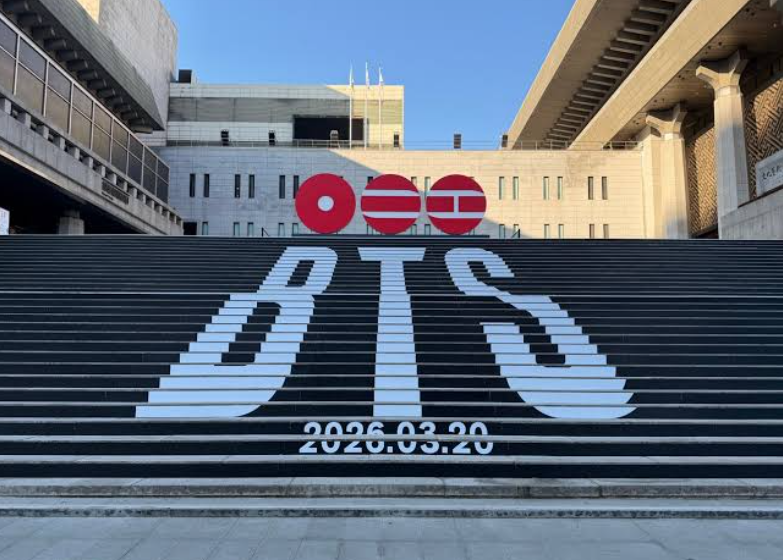
South Korean police have launched prosecution against a woman in her 30s accused of orchestrating a sophisticated ticket-scalping operation targeting high-demand K-pop concerts, including nine tickets to BTS' coveted Gwanghwamun concert in March 2026. The Seoul Metropolitan Police Agency referred the suspect to prosecutors on August 26 without detention, facing charges under the Information and Communications Network Act, the Public Performance Act, and obstruction of business statutes. Investigators allege the woman employed an automated macro programme over a three-year period spanning April 2023 through March 2026 to circumvent standard purchase restrictions and accumulate thousands of concert tickets for resale at inflated prices.
The mechanics of the scheme reveal a deliberate effort to exploit vulnerabilities in online ticketing systems widely used across South Korea's booming entertainment sector. Rather than purchasing tickets as an ordinary consumer, the suspect utilised automated software capable of completing transactions at speeds impossible for human users. The programme enabled rapid account switching through profiles registered to relatives and acquaintances, effectively sidestepping the per-person purchase caps that most K-pop promoters enforce. With most major concerts limiting individual purchases to one or two tickets per performance date, this multi-account strategy allowed the woman to accumulate inventory far exceeding what legitimate fans could obtain through normal channels.
The BTS Gwanghwamun concert proved to be a turning point in the investigation. Police heightened surveillance of ticket sales for the performance, coordinating closely with the ticketing platform to monitor unusual purchasing patterns amid extraordinary public demand. When the woman attempted to acquire nine tickets to the event using her established methods, authorities detected the activity and intervened before she could proceed with resale. This intervention proved crucial, as it provided concrete evidence of her modus operandi and prevented further distribution of illegally obtained tickets to secondary market buyers.
Financial analysis of the suspect's illicit operation paints a picture of substantial criminal profiteering. South Korean investigators estimate that the woman generated approximately 442 million won—roughly equivalent to US$319,000—through her resale activities across the 2,600 tickets she procured. This figure underscores how ticket scalping, often dismissed as a minor inconvenience by casual observers, constitutes genuine organised fraud affecting both consumers and legitimate concert promoters. Police have sought a pre-indictment seizure and preservation order targeting the alleged proceeds, effectively freezing assets to prevent their disposal before trial proceedings commence.
The Seoul case represents merely one component of a broader enforcement crackdown. Authorities simultaneously announced an unrelated ticket-scalping operation in Ulsan involving a separate male suspect in his 30s who developed his own macro programme to acquire over 1,700 K-pop concert tickets between November 2024 and October 2025. This individual resold tickets at prices ranging from three to thirteen times their face value, generating approximately 420 million won in profits. The parallel cases demonstrate that organised ticket scalping using automated technology has become endemic within South Korea's concert industry, affecting multiple cities and involving numerous perpetrators operating similar technical approaches.
These prosecutions arrive at a strategically significant moment in South Korea's regulatory landscape. Commencing August 28, newly revised provisions of both the Public Performance Act and the National Sports Promotion Act significantly escalate penalties for illegal ticket resale activities. The reformed legislation now permits South Korean authorities to impose administrative fines reaching up to fifty times the value of illegally resold tickets. This substantial increase from previous penalty frameworks represents a watershed shift in enforcement policy, transforming what was previously a relatively modest financial deterrent into a far more formidable consequence for would-be scalpers.
For Malaysian and broader Southeast Asian concert audiences, these developments carry meaningful implications. As K-pop fandom transcends geographical boundaries and Malaysian fans increasingly participate in international ticketing systems for Korean concerts, understanding the regulatory and enforcement environment proves essential. The sophistication of scalping operations—combining macro programming, multi-account strategies, and coordinated resale networks—demonstrates that ticket fraud has evolved beyond opportunistic individuals into organised schemes worthy of serious criminal investigation. Malaysian consumers seeking tickets to K-pop events must navigate not only the technical obstacles posed by scalpers but also the legal complexities of purchasing potentially illegitimate inventory.
The prosecution trajectory also reflects deeper tensions within the modern entertainment ecosystem. Concert promoters across Asia, including those operating in Malaysia, face mounting pressure to deploy more robust anti-scalping technologies while protecting legitimate consumer access. South Korea's enhanced penalties signal official recognition that ticket scalping constitutes substantive commercial crime rather than benign market activity. This philosophical shift influences how regional authorities may eventually approach similar violations, potentially establishing precedent for Southeast Asian enforcement strategies.
The timing of these enforcement actions also underscores the urgency with which South Korean officials view the problem. The coordination between police and ticketing platforms, combined with legislative reform, suggests a multi-layered response strategy addressing technical vulnerabilities, investigative capacity, and legal consequences simultaneously. Such comprehensive approaches contrast with reactive enforcement models that merely prosecute individual offenders without addressing systemic incentive structures.
For concert-goers, particularly devoted K-pop fans in Malaysia and Southeast Asia, these cases offer cautionary lessons about marketplace integrity. Secondary ticket markets continue to proliferate across the region, with numerous platforms facilitating resale transactions. However, distinguishing between legitimate resale and fraudulently obtained inventory remains challenging for ordinary consumers. The sophisticated nature of macro-based scalping operations, invisible to end purchasers, means that buyers may unknowingly purchase tickets acquired through illegal methods.
Moving forward, the precedent established by South Korea's enhanced enforcement and revised penalties may influence how other Asian nations approach ticket fraud. Malaysia's regulatory framework currently addresses ticketing within broader consumer protection statutes, but these high-profile prosecutions and penalties may prompt local policymakers to evaluate whether dedicated anti-scalping legislation warrants consideration. The Korean experience demonstrates that treating ticket scalping as serious commercial crime—rather than a victimless transaction between consenting parties—proves both technically feasible and statutorily achievable.

