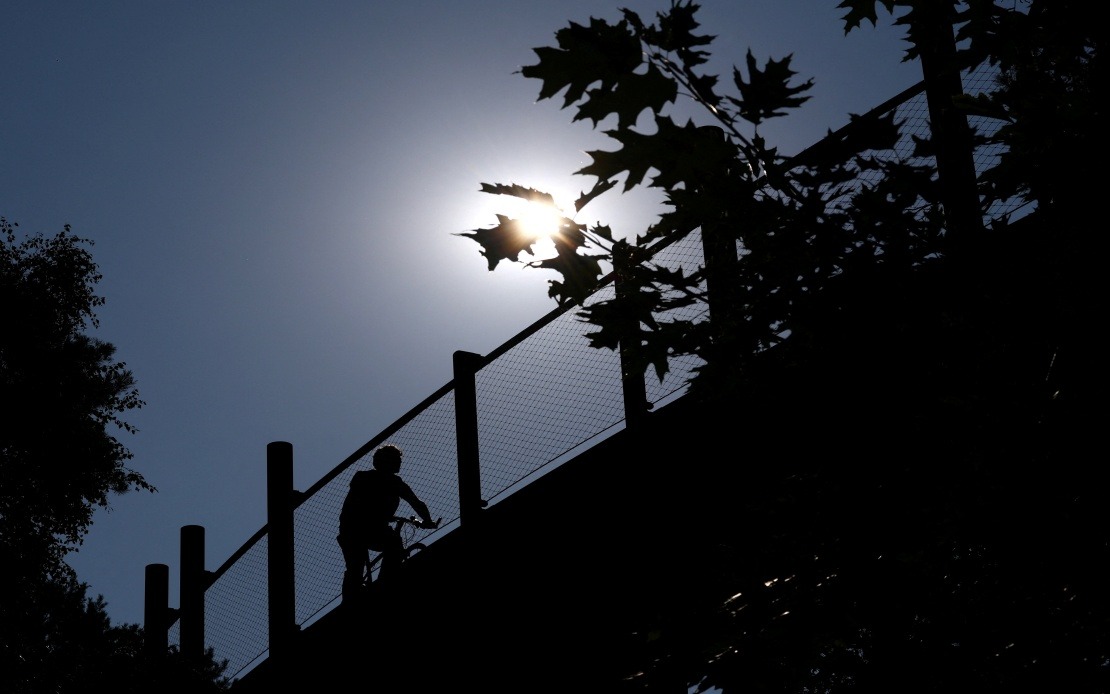
South Korea is confronting a mounting public health crisis as heat-related fatalities climb to 21 for the year, surpassing the entire death toll from 2023 and signalling a potentially more dangerous summer season ahead. According to data released by the Korea Disease Control and Prevention Agency, the grim milestone reflects an alarming trend where fewer overall heat illness cases are being reported compared to the same period last year, yet the mortality rate has increased sharply. This paradox points to a concerning shift in the nature of heat exposure, with vulnerable populations facing more severe consequences from extreme temperatures.
The emergency healthcare system has documented 2,441 patients seeking treatment for heat-related conditions since mid-May, when systematic surveillance monitoring began. These figures represent the official burden on medical facilities across the nation, though experts acknowledge that many mild cases go unreported. The breakdown of diagnoses reveals that heat exhaustion dominates the caseload at 61.7 per cent of all reported incidents, followed by heat stroke at 16.8 per cent and heat cramps at 11.5 per cent. This distribution underscores how exposure to sustained high temperatures affects the body progressively, with early warning signs often ignored before severe complications develop.
One recent fatality exemplifies the ongoing danger: a 60-year-old agricultural worker died while labouring outdoors in Eumseong County, North Chungcheong Province, on Tuesday. His death represents not an isolated incident but part of a broader pattern of workplace-related heat casualties that disproportionately affect older workers and those employed in outdoor occupations with limited access to cooling facilities. Agricultural sectors across South Korea face particular vulnerability during peak summer months when harvest operations intensify and workers spend extended hours exposed to direct sunlight with minimal shade or hydration support.
Meteorological authorities have escalated their warning systems in response to intensifying conditions, with the state weather agency issuing additional serious heat wave alerts specifically targeting the greater Seoul metropolitan area. This densely populated region, home to nearly half of South Korea's 52 million people, is now operating under maximum alert protocols, with 43 per cent of the area classified at the highest warning level. The concentration of high alerts in Seoul reflects both the severity of urban heat island effects in the capital and the potential for mass casualty incidents when millions are simultaneously exposed to dangerous temperatures with limited escape to cooler environments.
The Korea Meteorological Administration projects temperatures in Seoul will climb to approximately 39 degrees Celsius on Thursday, a figure that approaches dangerous heat stress thresholds for human survival. Such sustained elevated temperatures prevent adequate overnight cooling, preventing residents from recovering physiologically from daytime heat exposure. The cumulative stress of continuous high temperatures without respite creates conditions where even previously healthy individuals face elevated risk, particularly during sleep when body cooling mechanisms become less effective.
Comparative analysis with previous years reveals a troubling trajectory in heat-related mortality despite improved awareness and infrastructure. The fact that this year's death count has already exceeded the 2023 total of 20 deaths, with summer still progressing into its most intense period, suggests an acceleration in severity. Researchers attribute this to multiple compounding factors including demographic ageing, urban concentration, inadequate cooling access in lower-income housing, and increasingly extreme temperature variability driven by climate change patterns.
The epidemiological pattern shows vulnerability concentrated among specific demographics. Elderly residents living alone in inadequately cooled accommodations, outdoor labourers without employer-provided heat safety measures, and individuals with pre-existing cardiovascular conditions face disproportionate risk. Social isolation compounds these dangers, as many elderly Koreans lack family members or caregivers monitoring their wellbeing during extreme heat events. Public health campaigns have emphasised the importance of regular wellness checks for seniors and the establishment of cooling centres in communities, though implementation remains inconsistent across regions.
South Korea's experience with escalating heat mortality carries significant implications for other East Asian and Southeast Asian nations. As temperatures rise across the region and urbanisation accelerates, neighbouring countries including Malaysia, which already experiences tropical heat, must examine South Korea's public health response mechanisms. The Korean system's emphasis on surveillance, alert coordination across multiple agencies, and targeted protection for vulnerable populations offers lessons for developing heat adaptation strategies in countries less accustomed to extreme temperature events.
Occupational health standards present another critical area for policy attention. South Korea's agricultural and construction sectors, where most heat deaths occur, operate under regulations that historically prioritised productivity over worker safety during peak seasons. Recent amendments have mandated mandatory rest periods and hydration protocols, yet enforcement remains spotty particularly in smaller enterprises. The ongoing fatalities suggest that regulatory frameworks alone prove insufficient without genuine cultural shifts in workplace norms that prioritise employee health over output targets during dangerous weather conditions.
Government and municipal authorities have expanded heat-response infrastructure, including opening public cooling centres, distributing cooling devices to vulnerable households, and coordinating with employers on mandatory heat protocols. However, gaps persist in coverage, particularly in rural areas where agricultural work predominates and emergency services respond more slowly. The discrepancy between reported cases and actual prevalence suggests that many heat illnesses, particularly among migrant workers and informal sector employees, remain undocumented and thus receive no official recognition in death toll statistics.

