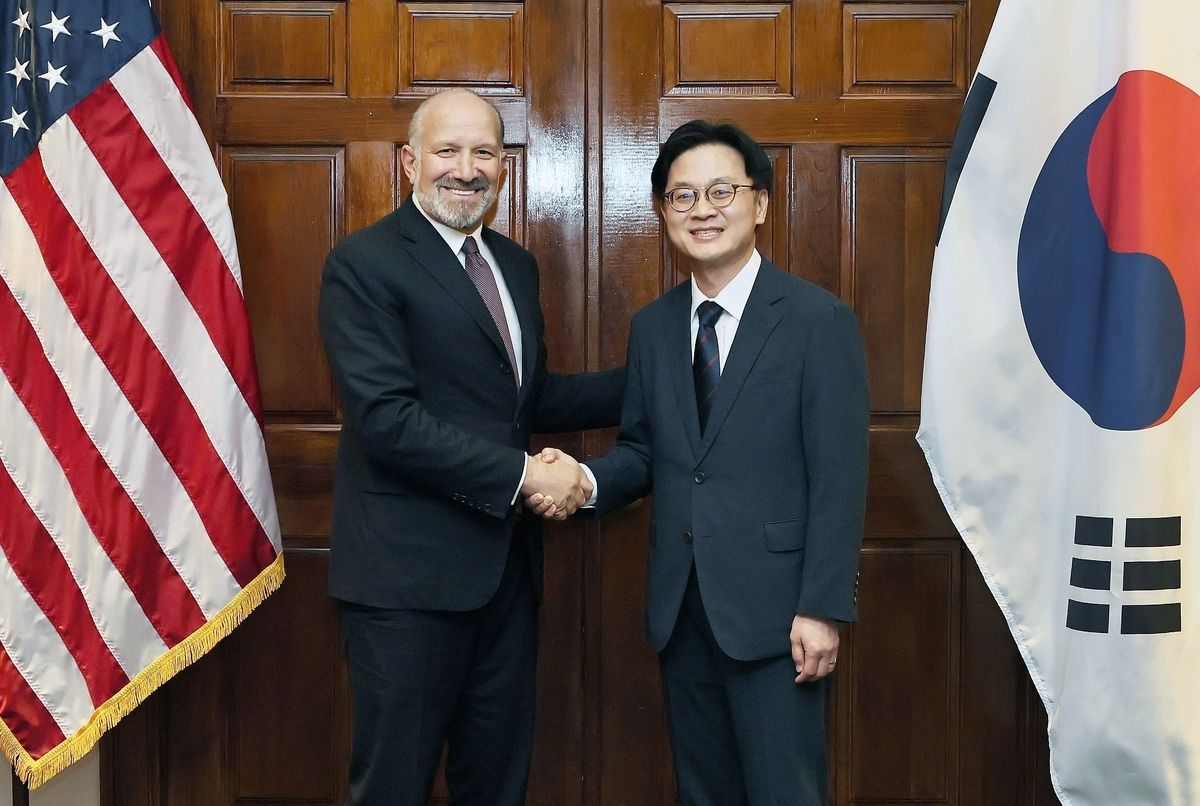
South Korea's Industry Minister Kim Jung-kwan is heading to Washington this week for high-level discussions with American trade and economic officials, a visit coming at a particularly delicate moment as Seoul faces the prospect of new tariff measures from the Trump administration. The trip, scheduled from 22 to 25 July, represents Seoul's attempt to shore up bilateral economic ties and prevent the imposition of additional trade barriers that could substantially impact South Korean manufacturing and exports.
The timing of Kim's mission is strategic and urgent. Seoul is bracing for an anticipated US decision regarding an investigation into trade practices associated with forced labour concerns, which local media reports suggest could trigger enhanced tariff pressure under Section 301 of the American Trade Act. This provision grants the US president broad authority to impose tariffs on trading partners deemed to have engaged in unfair trade practices, and Seoul is acutely aware that South Korean companies—particularly in sensitive sectors—could face significant compliance and cost pressures if such measures proceed.
During his Washington visit, Kim will engage with US Commerce Secretary Howard Lutnick, focusing discussions on strategic South Korean industrial investment flowing into American markets and broader bilateral economic cooperation. This engagement is particularly important given South Korea's substantial manufacturing footprint in the United States and the government's interest in demonstrating that South Korean companies are responsible economic actors that respect American labour standards and trade rules. Beyond commerce, Kim will also meet with Energy Secretary Chris Wright to explore collaborative opportunities in critical resource supply chains and energy cooperation, areas where both nations have identified mutual strategic interests.
Kim's itinerary also includes outreach to members of Congress, a conventional but important element of Korean diplomatic efforts to build legislative support for favourable trade treatment. Congressional influence over tariff policy and trade enforcement remains significant, and direct engagement with lawmakers can help shape the broader political environment surrounding potential trade actions. This part of the visit underscores how Seoul views trade policy as requiring sustained engagement across multiple branches of American government, not merely executive-level discussions.
The official centerpiece of Kim's trip is attendance at the opening ceremony for a South Korea-US Shipbuilding Partnership Center in Washington on Thursday. This initiative, formalised through a May agreement between Seoul's Ministry of Trade, Industry and Resources and the US Commerce Department, reflects both nations' recognition that their shipbuilding industries face common competitive pressures and opportunities. The centre is designed to serve as a formal institutional mechanism through which South Korean and American shipbuilders can coordinate activities, share information, and potentially collaborate on projects—essentially creating an official platform that legitimises and facilitates closer commercial relationships in this strategically important sector.
Shipbuilding holds particular significance for South Korea's industrial strategy and export earnings. The country's three major shipbuilders—Hyundai Heavy Industries, Samsung Heavy Industries, and Daewoo Shipbuilding and Marine Engineering—collectively represent one of the world's most competitive and technologically advanced shipbuilding clusters. A US partnership framework could offer these companies greater access to American defence contracts and commercial shipping opportunities while simultaneously reassuring Washington that sourcing shipbuilding work to South Korean yards aligns with broader strategic interests rather than purely undermining American industrial capacity.
Kim intends to use his Washington meetings to advance implementation of a South Korean law that took effect in June designed to incentivise strategic investment by South Korean corporations in the United States. This legislation represents Seoul's proactive approach to deepening economic integration with America and demonstrating commitment to job creation and industrial expansion on American soil. By discussing specific investment projects and their details with US officials, Kim aims to unlock concrete economic benefits that might create political constituencies within the United States—particularly among states and communities that would host South Korean facilities—favouring continued open trade relations.
The broader context surrounding this visit involves Seoul's consistent diplomatic messaging that it intends to honour and implement tariff agreements already reached with Washington while simultaneously working to maintain stability in bilateral trade relations. This balancing act reflects South Korea's vulnerable position as a mid-sized economy heavily dependent on open international trade, unable to absorb significant new tariff barriers without experiencing real economic pain. South Korean policymakers understand that while US trade enforcement is a domestic political priority in Washington, Seoul's challenge is to ensure that the burden of this enforcement does not disproportionately fall on South Korean exporters or that any measures taken are calibrated to address genuine concerns rather than reflect protectionist impulses.
For Malaysian and Southeast Asian observers, South Korea's current diplomatic challenges carry important implications. The region watches closely how the United States calibrates trade enforcement against important Asian trading partners, as these decisions establish precedent for how Washington might approach other nations' trade practices. South Korea's emphasis on investment in America and sectoral partnerships rather than defensive posturing offers a potential model for how countries facing tariff pressure might respond—through demonstrating economic complementarity rather than merely arguing against trade restrictions. Additionally, the focus on strategic sectors like shipbuilding and critical materials reflects how major trading nations are increasingly linking trade policy to broader geopolitical and security considerations, a dynamic that affects the entire Indo-Pacific region's economic architecture.

