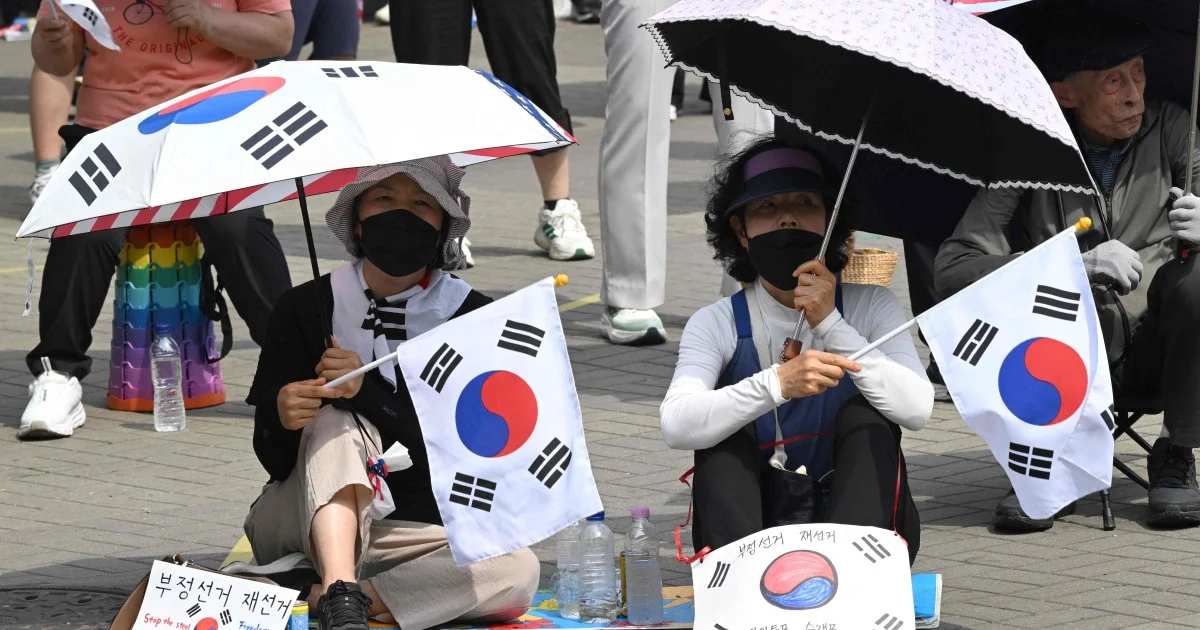
South Korea's legislature has formally established an investigative committee to scrutinise the National Election Commission's handling of June 3 local elections, after ballot-paper deficiencies caused significant disruption at polling stations nationwide. The parliamentary plenary session approved the 45-day probe on Thursday, signalling legislative determination to understand how such organisational failures occurred during a major electoral event.
The ballot shortage represented a significant embarrassment for election administrators in a country with a long democratic tradition and reputation for well-organised polling processes. When voters arrived at ballot boxes during the June municipal and gubernatorial elections, many regions simply ran out of ballot papers, forcing election officials to scramble for solutions and creating confusion among citizens attempting to exercise their civic rights. The incident raised serious questions about planning and logistics within the National Election Commission's operations.
Such disruptions carry particular weight in South Korea's political context. Local elections determine the direction of municipal governments and provincial administrations, affecting policy decisions on everything from urban development to public services across the nation's major cities and regions. Any procedural breakdown potentially undermines public confidence in electoral integrity, a cornerstone of democratic legitimacy that South Korean institutions have worked to maintain through decades of consolidating democracy.
The investigation's 45-day timeline suggests parliament intends to conduct a thorough examination rather than a cursory review. Investigators will likely examine how the National Election Commission estimated voter turnout and ballot requirements, whether contingency supplies were adequate, and what communication failures prevented timely redistribution of ballots between polling stations experiencing shortages and surplus. They will probably also investigate whether equipment or personnel shortages contributed to the problem.
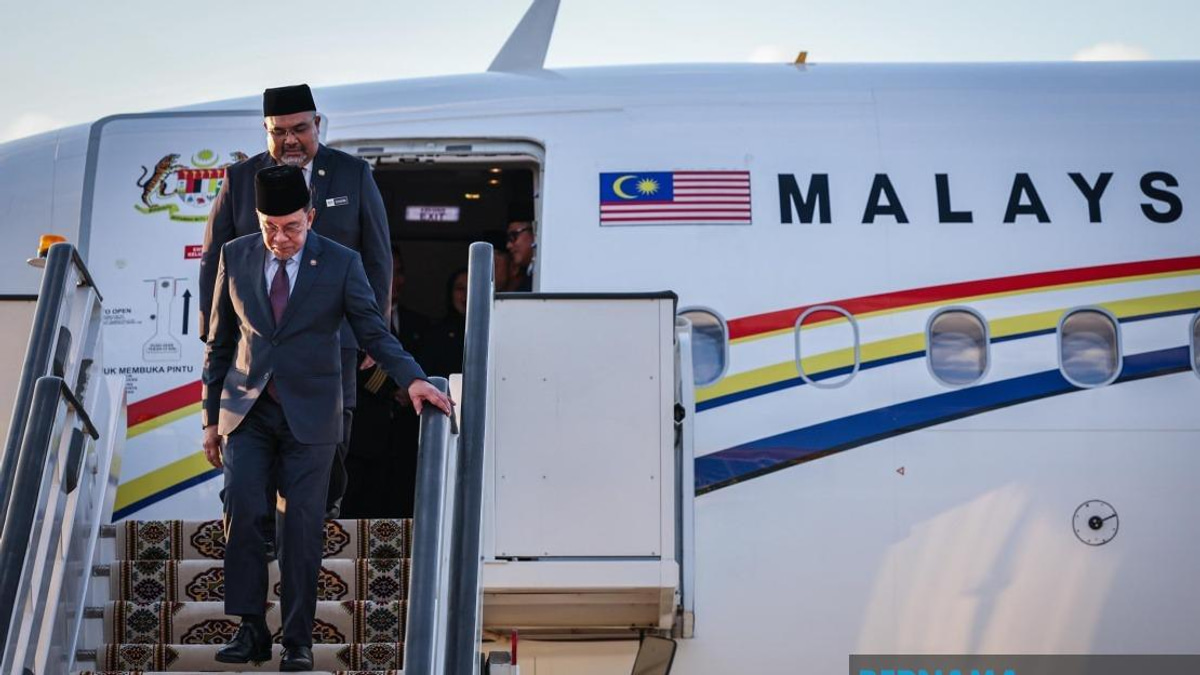
For Malaysian observers, the South Korean situation illustrates challenges that election commissions across Asia face in managing large-scale voting operations. Malaysia's own Election Commission has occasionally confronted criticism regarding constituency delimitation and voter registration processes, though large-scale ballot shortages have not been a documented problem in recent federal elections. The South Korean incident underscores how even technologically advanced democracies must maintain meticulous logistical planning to prevent administrative chaos at the ballot box.
The National Election Commission will face specific scrutiny regarding its preparation protocols and whether it consulted adequately with local election officials who would ultimately conduct voting operations. Parliamentary committees will likely demand access to internal communications, contingency plans, and post-election reports documenting when and where shortages occurred. Commission leadership may face uncomfortable questioning about whether bureaucratic complacency or resource constraints contributed to inadequate planning.
Broader implications extend to public trust in electoral administration. When voters encounter obstacles to voting—whether through ballot shortages, unclear procedures, or inadequate facilities—they develop negative perceptions of institutional competence. Some voters may interpret shortages as intentional suppression efforts, even if purely administrative. This erosion of confidence can depress future participation, particularly among younger voters or those already skeptical of political institutions.
The investigation also reflects South Korea's parliamentary system's ability to investigate executive agencies through oversight mechanisms. Unlike some nations where electoral commissions operate with minimal legislative oversight, South Korea's approach demonstrates how elected bodies can demand accountability from independent agencies. This competitive dynamic between parliament and administration keeps officials cognisant that their performance will receive scrutiny.
The timing of the parliamentary probe, occurring shortly after the June elections, indicates political will to reach conclusions and recommendations before public attention shifts. South Korean opposition parties likely pushed for the investigation to highlight government administrative shortcomings, while ruling parties may have viewed the probe as preferable to allowing criticism to fester unaddressed. Regardless of partisan motivations, the investigation will produce documented findings about what failed and why.
International election observers and democracy advocates increasingly emphasise that electoral systems require constant maintenance and improvement. As South Korea conducts its investigation, officials will presumably identify specific reform measures—perhaps revised voter estimation methodologies, enhanced logistics networks, or clearer communication protocols between central and local election offices. Such institutional learning ensures future elections proceed more smoothly.
The incident also prompts reflection on whether election commissions maintain sufficient staffing and resources for their critical responsibilities. Budget constraints that result in inadequate contingency supplies represent false economy, given the severe political costs of voting disruptions. South Korea's parliament will likely explore whether resource allocation to the National Election Commission requires enhancement.
As the investigation unfolds over the coming weeks, it will establish whether the ballot shortages resulted from isolated administrative oversights or systematic deficiencies in the National Election Commission's operations. The findings could trigger significant reforms affecting how South Korea conducts all future elections, potentially influencing election administration practices across East Asia as neighbouring nations assess lessons from their regional peer.