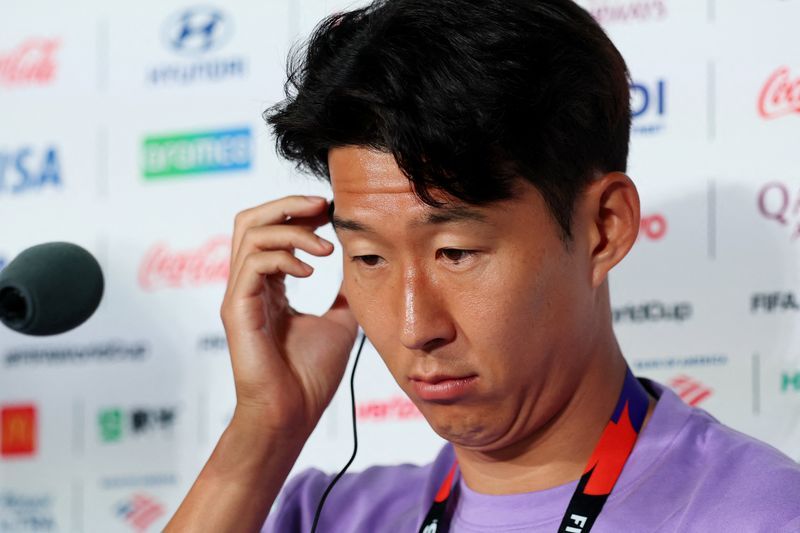
South Korea's national football team has taken the unusual step of boycotting non-mandatory media interactions during the World Cup, a decision that stems from allegations that local journalists made derisive comments about captain Son Heung-min's military service obligation. The incident came to light when reporters were apparently caught on an open microphone disparaging the 33-year-old Tottenham star while he trained separately from the rest of the squad at the team's base camp in Guadalajara.
The Korea Football Association swiftly condemned what it described as inappropriate remarks by certain media personnel, releasing a statement expressing regret over the incident and acknowledging the distress it had caused to the playing squad. The KFA emphasised that the team remains committed to representing South Korea with distinction on football's grandest stage, and that the leaked conversations had dealt a significant blow to morale and trust within the camp.
Military service represents one of the most sensitive and complex issues in South Korean society, carrying far deeper implications than simply a civic duty. All able-bodied men are required by law to complete approximately 21 months of compulsory service, an arrangement that underpins the country's security posture against potential threats from North Korea. This obligation has become deeply woven into South Korea's national identity, and avoiding or shirking these duties carries considerable social stigma and legal consequences.
What makes Son's situation distinctive is that he and several of his teammates earned exemption from full military service through their sporting achievements at the 2018 Asian Games, where South Korea's men's football team captured the gold medal. Such exemptions have long been granted to elite athletes who achieve gold at the Asian Games or win Olympic medals, reflecting a policy that seeks to balance national security needs with recognition of sporting excellence. However, even these exemptions do not entirely eliminate military obligations, and Son himself underwent mandatory basic military training in 2020 during the COVID-19 pandemic shutdown of the Premier League.
That training experience was notably rigorous and far from ceremonial. Son endured a compressed three-week programme that exposed him to tear gas, live-fire combat drills, and exhausting forced marches spanning 30 kilometres. The stint served as a tangible reminder that even exempted athletes must fulfill fundamental military responsibilities, and it underscored the genuine demands placed upon South Korean men regardless of their international fame or sporting stature.
The decision by reporters to mock this aspect of Son's personal history reveals a profound disconnect between elements of South Korean media and the national team. Rather than recognising the player's fulfilment of a fundamental patriotic duty, the journalists apparently treated his service record as a subject for ridicule. Such commentary would strike many South Koreans as not only disrespectful to Son personally, but as potentially undermining the seriousness with which military service is regarded in the national consciousness.
The Korea Football Association's response has been measured but firm. In addition to expressing regret, the organisation specifically appealed to media outlets to demonstrate greater consideration and responsibility in their treatment of the squad. The statement conveyed a clear message that the team's preparation and mental wellbeing cannot be compromised by inappropriate external pressures or commentary. The KFA also reaffirmed its commitment to fostering a constructive media environment that supports rather than undermines the players' World Cup campaign.
Despite the boycott of voluntary media engagements, the South Korean team remains bound by FIFA's mandatory media obligations under World Cup regulations. These compulsory appearances ensure that broadcasters and media organisations receive access to players and coaching staff, maintaining the international broadcast standards that underpin the tournament's enormous global audience and commercial value. The squad cannot entirely withdraw from the media ecosystem, even if tension now characterises those interactions.
The incident carries broader significance for how domestic media relates to national sports teams in the modern era. South Korea's football programme operates within a uniquely demanding context, where military service obligations intersect with international sporting ambitions. When journalists fail to recognise the seriousness of these dual imperatives, or worse, weaponise them for entertainment value, they risk fragmenting the unity and psychological resilience that national teams require during major tournaments.
For Malaysian and broader Southeast Asian audiences, the episode offers perspective on how different societies navigate the relationship between military obligations and national pride. While most countries in the region do not impose such rigorous compulsory military requirements on their entire male populations, the underlying tension between individual achievement and collective national service remains relevant. The South Korean situation demonstrates how mishandled media commentary can erode team cohesion at critical moments, a lesson applicable across professional sports cultures globally.