The landscape of Asian tourism is shifting dramatically as mainland Chinese holidaymakers recalibrate their travel preferences this summer, favouring nearby regional destinations over distant international journeys. According to travel analytics data, fewer Chinese tourists are venturing abroad overall, but those who do are gravitating toward closer, more affordable alternatives across Southeast Asia—a trend that carries significant implications for the region's tourism economy and geopolitical relationships.
The reorientation of travel flows reflects a complex interplay of practical constraints and deliberate policy choices. Flight disruptions stemming from Middle Eastern conflicts have made long-haul journeys more complicated and expensive, while mounting geopolitical tensions have deterred mainland visitors from certain previously popular destinations. Simultaneously, economic headwinds in China—particularly weakness in the property sector and broader consumer confidence challenges—have prompted tourists to adopt a more pragmatic approach to holiday spending, prioritising accessible experiences that offer strong value for money.
Southeast Asia has emerged as the clear winner in this reshuffling. Malaysia's capital Kuala Lumpur has experienced a striking 16 percent year-over-year surge in mainland Chinese arrivals this summer, positioning it among the region's top draws. Vietnam's major urban centers, including Ho Chi Minh City and Hanoi, have also climbed into the top ten destinations for mainland visitors during the June through August period. These gains represent more than simple travel statistics; they signal a fundamental reorientation of how China's vast middle class allocates its tourism spending and where they believe they will find the best experience relative to cost.
Contrasting sharply with Southeast Asia's ascent is the dramatic collapse of interest in Japan, a destination that historically dominated mainland Chinese travel preferences. Tokyo has seen visitor numbers plummet by 26 percent this summer, while Osaka—another long-standing favourite—has dropped entirely out of the top ten rankings. The scale of this reversal owes much to unresolved geopolitical tensions between Beijing and Tokyo. Japanese Prime Minister Sanae Takaichi's comments last year regarding Japan's potential military response to any Chinese attack on Taiwan provoked an official response from Beijing, which discouraged its citizens from travelling to Japan. Recent figures from Japan's National Tourism Organisation substantiate the chill, documenting a 60 percent year-over-year decline in mainland Chinese visitors during May alone—a decline that shows no signs of reversing.
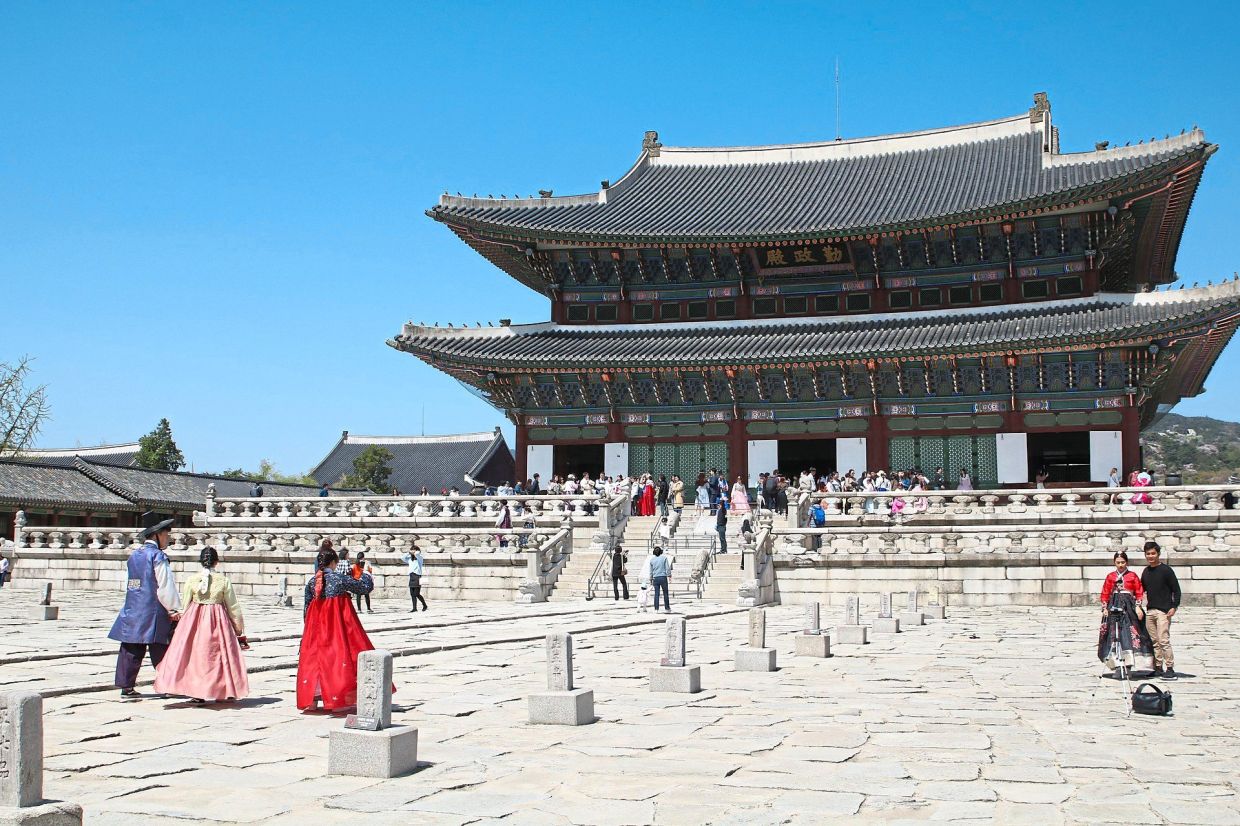
Seoul and Hong Kong have consolidated their positions atop the rankings, with Seoul projected to welcome approximately 2.15 million mainland Chinese visitors across the summer months, representing a 14 percent increase from the previous year. Hong Kong trails narrowly with around 1.94 million expected arrivals. These two metropolitan centers combine geographic proximity, cultural resonance for mainland visitors, and established tourism infrastructure that appeals to safety-conscious and budget-conscious travellers. They also benefit from extensive flight connections and relatively short journey times, key factors in an environment where flight reliability and cost remain paramount concerns.
The pivot toward regional destinations extends beyond mere geography; it reflects a fundamental shift in how mainland Chinese tourists calculate value. While overall outbound tourism from China is projected to exceed 184 million trips this year with aggregate spending reaching US$265 billion, the character of that spending has subtly but noticeably transformed. Spending per trip continues climbing, reaching a two-year high of US$4,085 in March, yet the momentum has moderated since then as economic conditions stabilised at lower levels of confidence and growth. Travellers are increasingly comparing prices, hunting for promotional discounts, and making deliberately pragmatic choices about where their holiday budget will stretch furthest.
This recalibration manifests clearly in purchasing patterns. While fashion and beauty items continue commanding the largest share of duty-free spending—accounting for 76 percent of expenditure thus far this month compared to 71 percent in June of the previous year—the behaviour around luxury goods has shifted markedly. Spending on high-ticket items including jewellery and watches has declined to represent 23 percent of the total from 28 percent previously. This transition toward practical, wearable luxury over investment-grade items suggests mainland visitors are seeking tangible experiences and moderately priced souvenirs rather than substantial acquisitions that signal wealth or status.
The geopolitical disruptions affecting travel patterns have been compounded by flight interruptions tied to Middle Eastern conflicts. The war in Iran temporarily disrupted major flight corridors and spiked both fuel costs and insurance premiums for airlines. These disruptions created a bottleneck that particularly affected long-haul travel, since routes to Europe, the Americas, and other distant regions rely heavily on transit through Middle Eastern hubs. By contrast, intraregional flights within Asia proved more resilient, further tilting incentives toward Southeast Asian and East Asian destinations that can be reached via direct flights or quick connections.
For Southeast Asian countries, particularly Malaysia, this represents both an opportunity and a challenge. The opportunity lies in capturing and retaining this influx of visitors who may prove more price-conscious but also more deliberate in their decision-making. The challenge involves managing the volume and ensuring that tourism infrastructure, hospitality services, and attractions can accommodate this new composition of visitors whilst maintaining quality standards. Kuala Lumpur's 16 percent growth rate, if sustained, could reshape the city's tourism economy and place new demands on accommodation, dining, and retail sectors.
The recovery trajectory for Chinese outbound tourism faces several headwinds that will likely prevent any rapid return to pre-disruption patterns. Although tentative peace initiatives between the United States and Iran may gradually restore confidence and open Middle Eastern flight corridors, airlines themselves face significant operational challenges. Carrier capacity expansion lags substantially behind confidence recovery; whilst airlines can theoretically add aircraft and routes relatively quickly, consumers restore confidence far more slowly. Fuel surcharges, insurance costs, and aircraft scheduling difficulties will likely keep fares elevated and availability constrained for several months.
Experts studying these trends observe that competitive intensity among destinations has reached unprecedented levels as tourism operators across the region scramble to capture the finite pool of mainland Chinese visitors. Hanming Li, an independent travel analyst, characterises the environment as fiercely competitive, with destinations vying to maximise visitor happiness against tight budget constraints. This dynamic has compressed margins across the tourism value chain and forced destinations to offer more compelling value propositions than ever before.
Looking ahead into autumn and beyond, short-haul regional travel to Southeast Asia appears positioned to sustain momentum even as Middle Eastern flight routes gradually normalise. The combination of geopolitical tensions with Japan, economic caution among mainland consumers, and the operational efficiencies of regional travel suggests that Malaysia, Vietnam, Thailand, and other Southeast Asian capitals will continue benefiting from this reorientation of mainland Chinese tourism flows—at least through the foreseeable future.

