The political landscape across Southeast Asia shifted notably this week as key regional players advanced ambitious partnerships and domestic reforms. Indonesia's President Prabowo Subianto joined Belarusian President Alexandr Lukashenko in unveiling a five-year cooperation roadmap, signalling Prabowo's administration intent to diversify Indonesia's international engagements beyond traditional Western partners. The 2026–2030 framework represents a calculated diplomatic move that extends Indonesia's reach into Eastern European markets and geopolitical spheres, potentially reshaping investment and trade flows for the archipelago's emerging sectors.
Within Indonesia's domestic sphere, the Budget Committee of the House of Representatives has positioned regional welfare enhancement as the centrepiece of the 2027 budget negotiations. The emphasis on regional transfer funds reflects a deliberate shift towards decentralisation-focused fiscal policy, acknowledging persistent disparities in development across Indonesia's provinces. This budgetary prioritisation carries implications for how resources flow to local governments and ultimately affects service delivery in healthcare, education, and infrastructure—concerns that resonate throughout Malaysia's own federal framework and regional development conversations.
Meanwhile, Laos achieved a significant infrastructure milestone with the completion of the Mekong River Integrated Management Project Phase II. This substantial undertaking addresses long-standing vulnerabilities to seasonal flooding while simultaneously positioning Vientiane's riverfront as a tourism and recreational destination. For the broader Mekong region, including countries with shared river interests, such infrastructure development underscores how transnational waterway management increasingly intersects with economic development and climate resilience strategies. The project exemplifies the region's growing focus on leveraging natural assets for sustainable growth.
Laotian lawmakers also convened to debate socio-economic policy, with particular emphasis on poverty reduction, clean energy transition, and natural resource stewardship. This parliamentary deliberation highlights how Southeast Asian legislatures are grappling with overlapping challenges of economic inequality, energy security, and environmental management. The Lao government's call for strengthened executive-legislative coordination reflects recognition that addressing these multifaceted challenges demands institutional alignment—a lesson relevant across the region as nations navigate complex policy trade-offs.
Myanmar's engagement with Belarus on economic cooperation signals the country's continued pursuit of diversified international relationships. High-level discussions centred on industrial, agricultural, pharmaceutical, and humanitarian collaboration, suggesting Myanmar seeks partnerships capable of supporting sectoral diversification amid ongoing domestic transition challenges. Simultaneously, Myanmar's military reviewed recruitment protocols to prevent underage enlistment, addressing a persistent humanitarian concern. The return of mistakenly recruited minors to their families represents administrative correction yet underscores broader accountability questions within security institutions.
The Philippines advanced several multilateral economic agendas this week. President Ferdinand R. Marcos Jr. and Canadian Prime Minister Mark Carney witnessed the signing of four bilateral agreements spanning energy, labour, tourism, and cultural domains. More significantly, both leaders committed to concluding free trade agreement negotiations before 2026 year-end, elevating economic integration between Manila and Ottawa. For the broader region, a Philippines-Canada FTA would establish a template for deepening ties with non-traditional Asian partners and diversifying trade relationships beyond China and established ASEAN arrangements.
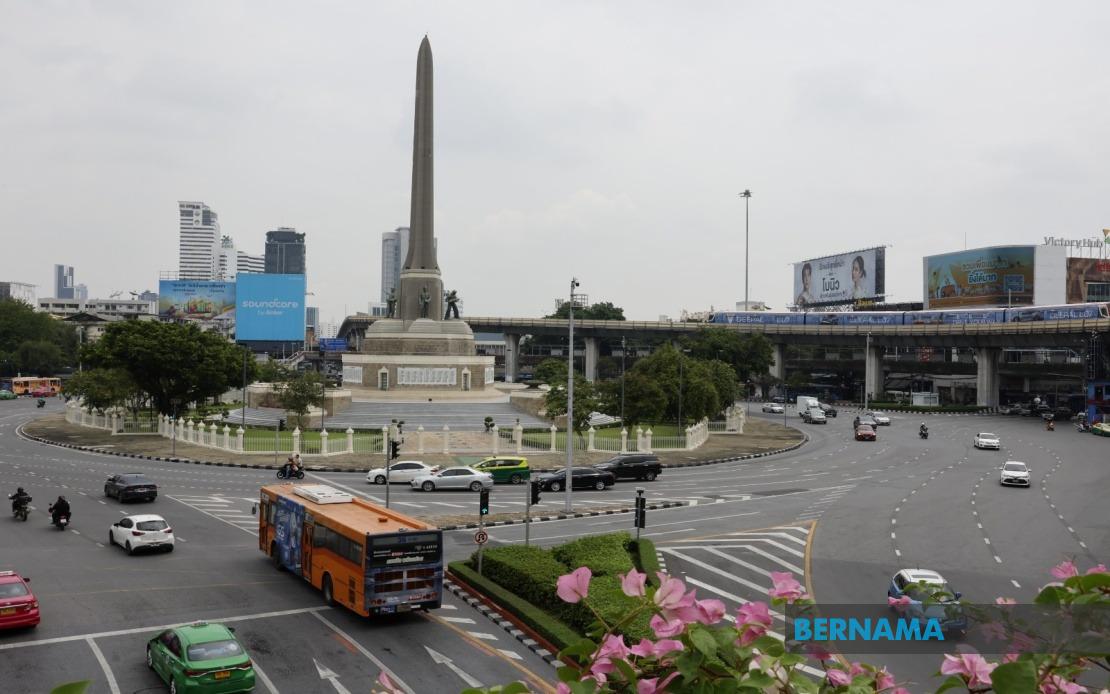
Thailand's domestic governance faced scrutiny as Prime Minister Anutin Charnvirakul unveiled findings from a fact-finding investigation into irregularities within the local civil-servant recruitment examination system. Four groups were implicated in exam fraud, and five officials from the Department of Local Administration faced disciplinary action. This administrative investigation reflects broader institutional accountability challenges common across Southeast Asian bureaucracies, where examination integrity remains contested terrain. Similarly, Thailand's Criminal Court sentenced eight individuals—four obstetricians and four brokers—to imprisonment terms reaching fifteen years for operating an illegal transnational commercial surrogacy network. This high-profile ruling addressed exploitation of human reproduction and trafficking vulnerabilities, signalling judicial resolve against commodification of motherhood and related abuses.
Vietnam strengthened partnerships with developed economies on parallel tracks. The Japan Bank for International Cooperation reiterated support for Vietnam's developmental objectives, with particular emphasis on emerging sectors including semiconductors, artificial intelligence, digital transformation, and green energy transitions. Such Japanese backing reflects confidence in Vietnam's economic trajectory and technological ambitions. Concurrently, Vietnam and the European Free Trade Association concluded trade agreement negotiations, establishing a bilateral framework designed to expand commerce and investment flows. These twin developments position Vietnam as a magnet for foreign capital and technology transfer, particularly from developed economies prioritising alternative supply chains and climate-aligned investments.
Collectively, this week's developments reveal Southeast Asia pursuing simultaneous strategies: deepening regional integration through various bilateral and sectoral arrangements, strengthening ties with non-regional powers across multiple continents, addressing persistent domestic governance and accountability challenges, and positioning national economies within global supply chains oriented towards emerging technologies and sustainability imperatives. For Malaysian observers and policymakers, these movements underscore the competitive intensity within which ASEAN economies operate and the imperative for strategic clarity regarding partnership priorities, sectoral investment, and institutional resilience. The week demonstrated how security, economic, and governance agendas intersect across the region's diplomatic calendar, requiring integrated policy responses rather than compartmentalised approaches to international relations.

