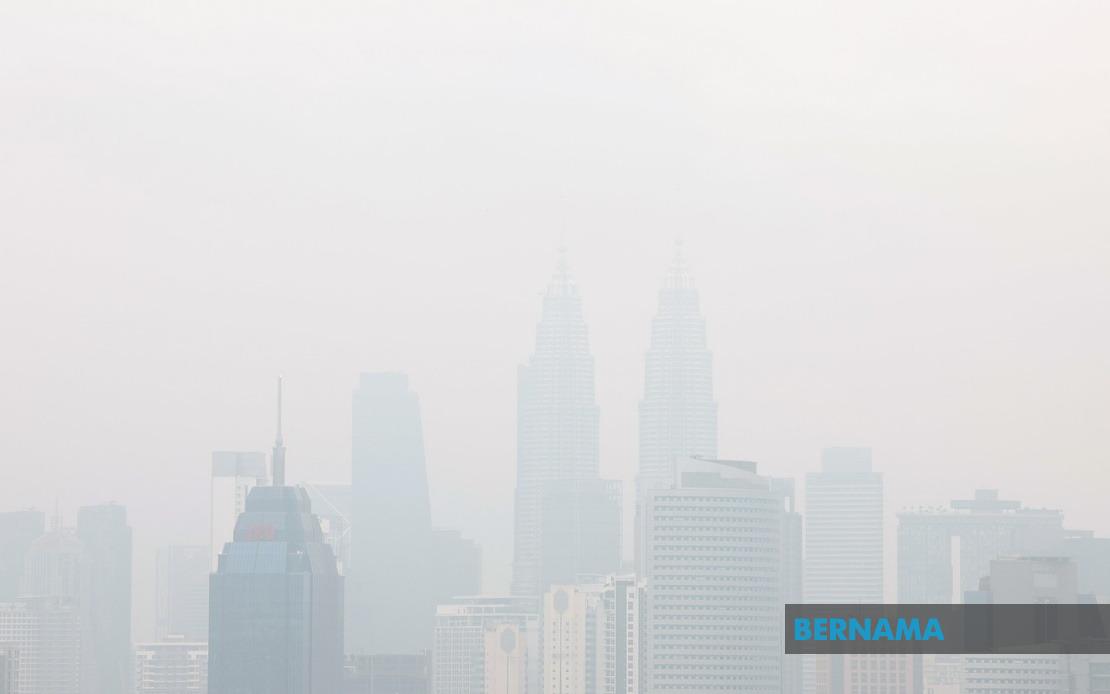
The ASEAN Specialised Meteorological Centre has raised alarm over deepening air quality concerns throughout southern ASEAN, cautioning that persistent drought conditions risk transforming an already problematic smoke situation into a severe regional crisis. The warning comes as numerous monitoring stations across Malaysia, Sarawak, Indonesia and Singapore have begun registering hazardous pollution readings, with forecasters predicting further deterioration over the coming week unless weather patterns shift significantly.
The meteorological body identified moderate to dense smoke plumes currently blanking West, Central and South Kalimantan, regions that typically generate the most severe transboundary haze affecting Malaysian and Singaporean airspace. Simultaneously, the central and southern reaches of Sumatra are experiencing comparable smoke concentrations, while scattered hotspot clusters continue surfacing across Indonesian territory. This combination of active fire zones and stagnant atmospheric conditions creates the textbook scenario for regional haze escalation.
Malaysia has emerged as the primary victim of worsening conditions, with 17 separate locations across six states alongside Kuala Lumpur and Putrajaya recording unhealthy Air Pollutant Index measurements by Wednesday morning. Sarawak presents the most acute situation, where Sri Aman reached a concerning API reading of 167, the Serian district police headquarters recorded 166, and Samarahan measured 162—all classified as unhealthy. Western Peninsular Malaysia remains equally troubled, with numerous stations in Selangor, Negeri Sembilan, Johor, Melaka and Perak joining the unhealthy category, raising immediate health concerns for residents across these densely populated regions.
The meteorological centre's analysis of prevailing wind patterns suggests that the southeast to southwest air currents expected to dominate the region over coming days will continue channelling Indonesian smoke toward Malaysian territory. These winds essentially act as conveyor belts for transboundary pollution, efficiently transporting smoke from source fires directly into Malaysian airspace. The persistence of these wind directions, combined with the forecast continuation of dry conditions, creates an unfavourable confluence that environmental specialists view with considerable concern.
Underlying the haze threat is the fundamental meteorological driver: prolonged absence of significant rainfall. Without precipitation to suppress active burning and reduce atmospheric dust suspension, the region faces compounding air quality stress. Forest fires in Indonesian peatlands, particularly acute during extended droughts, release disproportionately high smoke volumes due to the dense carbon content of burning peat. Such fires, once ignited during dry seasons, prove remarkably difficult to extinguish without substantial rainfall intervention.
Singapore's situation, while currently more benign, underscores the transboundary nature of the phenomenon. The city-state's National Environment Agency reported its 24-hour Pollutant Standards Index hovering between 59 and 78 by Wednesday afternoon, positioning air quality at moderate levels. However, this reading reflects the filtering effects of distance and prevailing winds. Should weather systems shift or fire intensification occur in nearby Indonesian provinces, Singapore's modestly healthier air could rapidly deteriorate, demonstrating how air pollution respects no national borders.
For Malaysian stakeholders, particularly those in Sarawak and western Peninsular Malaysia where unhealthy readings already prevail, the ASMC forecast carries urgent implications. Public health authorities traditionally escalate advisory measures when API sustained unhealthy classifications, recommending that vulnerable populations—including children, elderly persons and those with respiratory conditions—limit outdoor exposure. Schools and workplaces sometimes implement air quality contingency protocols when readings reach severe thresholds, though current unhealthy classifications typically precede such drastic measures.
The haze phenomenon carries profound economic and social ramifications beyond immediate health impacts. Tourism sectors across affected regions experience booking cancellations and visitor deterrence. Transportation disruptions occasionally occur when visibility deteriorates markedly. Agricultural activities face complications from reduced sunlight penetration and air quality pressures on crops. The accumulative economic burden of transboundary haze events, historically substantial across Southeast Asia, renders this meteorological forecast consequential for regional policymakers and economic planners.
Historically, such haze episodes have prompted diplomatic discussions and environmental cooperation frameworks among ASEAN nations. The recurring nature of transboundary haze—particularly during El Niño periods that intensify regional droughts—has established it as a chronic regional challenge rather than isolated incident. Indonesian authorities typically face international pressure to implement stricter fire prevention and forest management protocols during drought seasons, though enforcement challenges persist across vast Indonesian territories with limited surveillance capacity.
The ASMC's emphasis on deterioration potential rather than current conditions reflects the predictive anxiety inherent in meteorological forecasting during critical atmospheric periods. Environmental specialists understand that current unhealthy readings represent a baseline that dry persistence could worsen. Should prevailing drought conditions continue and fire activity expand, the region could experience progression toward hazardous or even very unhealthy classifications across wider geographic areas, multiplying affected populations and intensifying public health strain.
Malaysian authorities monitoring the situation face mounting pressure to communicate clearly with populations about health precautions and air quality developments. Real-time API reporting systems prove invaluable during such episodes, enabling individuals to adjust daily activities based on scientific pollution measurements. Public health messaging emphasizing protective measures—including mask usage, air purifier deployment, and activity modification—becomes increasingly critical as air quality deteriorates.
The convergence of meteorological forecasts pointing toward worsening conditions, existing unhealthy readings across multiple locations, and wind patterns favouring Indonesian smoke transport into Malaysian airspace creates a scenario demanding heightened regional vigilance. Whether this episode will rival previous severe haze events depends substantially on whether forecast dry conditions persist or precipitation arrives to suppress fire activity. Until weather patterns demonstrate meaningful change, southern ASEAN residents and policymakers must anticipate continued air quality challenges requiring sustained public health and environmental attention.

