Spain has announced it will implement temporary border controls on arrivals from Italy, marking a significant escalation in tensions between two major European Union members over migration and Schengen area freedom of movement. The measure, effective from Saturday through September 7 unless circumstances change, represents Madrid's direct retaliation against Rome's decision to unilaterally reintroduce controls on Spanish travellers without consultation. The Spanish government characterised Italy's earlier actions as unjustified, discriminatory, and contrary to EU interests, while calling for their immediate withdrawal. The checks will be conducted at ports and airports, with officials conducting random identity and document verifications to determine traveller eligibility.
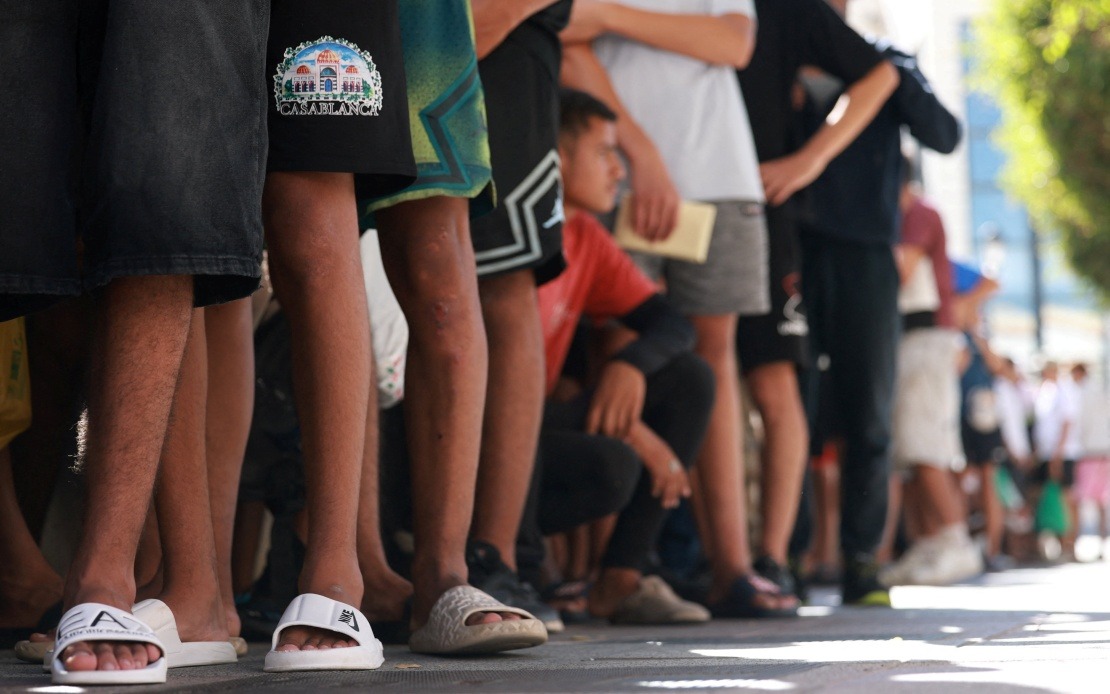
The dispute emerged from a humanitarian crisis in Ceuta, Spain's autonomous North African enclave that has become a focal point for irregular migration into Europe. At the end of July, approximately 80,000 people attempted to enter the enclave, straining reception capacity and creating severe overcrowding. Although nearly 75,000 subsequently returned voluntarily, between 3,000 and 5,000 migrants remain in facilities designed for a fraction of this number. Ceuta President Juan Jesus Vivas has described the situation as a severe humanitarian emergency, with reception infrastructure overwhelmed and local resources stretched to breaking point. This influx has highlighted the vulnerability of Spain's North African territories and exposed weaknesses in EU coordination on migration management.
Italian Prime Minister Giorgia Meloni announced the initial border controls on July 31 in direct response to the Ceuta situation, citing national security and border management concerns. Italy maintained these measures through at least August 15, creating a unilateral deviation from the Schengen agreement's free movement principles. Rome's government stressed it "does not accept ultimatums or external pressure" regarding security matters, signalling a hardline approach to migration policy. However, Italian authorities clarified that the controls target third-country nationals arriving from Spain and do not apply to Spanish or other EU citizens travelling by air or sea, positioning the measures as narrowly tailored security responses rather than blanket restrictions. Officials also pledged to minimise disruption to legitimate cross-border commerce and travel, though the practical impact on business and tourism remains significant.
Spain's decision to implement reciprocal checks represents a rare moment of direct confrontation between EU member states over Schengen compliance. Rather than seeking negotiated resolution through EU institutions, Madrid chose to mirror Italy's approach, effectively weaponising the same border control mechanisms Rome had employed. This tit-for-tat escalation undermines the principle of mutual trust that underpins the Schengen area's borderless movement framework. The Spanish government's public criticism of Italy's actions as "unjustified and discriminatory" reflects frustration with what Madrid views as Italy shifting responsibility for European migration pressures onto its neighbour. The temporary nature of Spain's measures suggests room for negotiation, yet the absence of immediate dialogue mechanisms indicates how rapidly migration crises can destabilise EU coordination.
The broader context reveals deepening divisions within the EU over migration responsibility and border sovereignty. Italy, under right-wing governance focused on stricter immigration controls, has consistently prioritised national security concerns over Schengen principles. Spain, managing multiple North African entry points and bearing significant irregular migration burdens, has adopted a different approach. The Ceuta crisis has exposed how a single, localised surge can ripple across the broader EU system, triggering defensive reactions from member states fearful of secondary migration within the Schengen zone. This reflects persistent anxieties about asylum seekers and irregular migrants moving onward from southern European entry points to wealthier northern destinations.
For Southeast Asian readers observing European integration challenges, this dispute offers instructive parallels to regional coordination difficulties. Just as the EU struggles to harmonise migration policy across members with different geographic and economic positions, Southeast Asian nations face similar tensions over cross-border movement, irregular migration, and burden-sharing. Malaysia, Indonesia, Thailand, and the Philippines have experienced comparable disagreements over migrant reception and onward movement, frequently resulting in unilateral border measures rather than coordinated responses. The Spanish-Italian standoff demonstrates how geographic proximity and migration pressure can rapidly override institutional commitments to free movement, a lesson relevant to ASEAN discussions on harmonising migration frameworks.
The humanitarian dimensions of the Ceuta crisis underscore the human cost of border disputes. Migrants and asylum seekers become pawns in interstate negotiations, their movement restricted and their welfare dependent on political calculations between governments. The fact that thousands remain stranded in inadequate facilities while governments exchange accusations reflects the crisis's severity. Spain has borne the immediate costs of receiving these populations, yet Italy's response suggests reluctance to absorb even transit migration flows. This dynamic mirrors patterns in Southeast Asia, where coastal nations and land borders bear disproportionate burdens from irregular movement.
From an economic perspective, the temporary border checks threaten disruption to EU internal trade and tourism, particularly between Spain and Italy. Frequent random checks at ports and airports increase delays, reduce cross-border business efficiency, and deter travel during summer months when tourism peaks. Small and medium enterprises engaged in Italy-Spain trade face uncertainty and increased operational costs. Airlines and shipping companies may experience passenger and cargo delays. While officials emphasise minimal disruption, the practical reality typically involves longer queues, increased scrutiny, and reduced spontaneous cross-border movement. These economic costs eventually pressure both governments toward negotiated resolution.
The crisis also raises questions about Italy's long-term border strategy under Meloni's government. By unilaterally implementing controls without consultation, Italy signalled willingness to prioritise domestic political messaging—demonstrating toughness on immigration—over EU institutional cooperation. This approach appeals to Italy's anti-immigration political constituency but alienates partners and potentially invites reciprocal measures, as Spain's response demonstrates. The Italian government's insistence that it "does not accept ultimatums" reflects nationalist positioning that resonates domestically but complicates collaborative EU migration solutions.
Looking forward, resolution likely requires compromise on multiple fronts. Spain must acknowledge Italy's security concerns while insisting on coordinated rather than unilateral responses. Italy must withdraw or significantly modify controls that contradict Schengen principles. The EU's broader migration framework requires strengthening mechanisms for managing localized surges without triggering member state unilateralism. This includes improved burden-sharing arrangements, coordinated external border management, and clearer protocols for managing crisis situations. Without such mechanisms, future migration pressures will likely trigger similar escalations, further fragmenting the Schengen system.
The September 7 deadline for Spain's temporary measures provides both governments with a face-saving opportunity to announce measures' withdrawal following negotiations. However, if underlying tensions remain unresolved, either side could extend or expand controls. The dispute ultimately reflects persistent EU struggles to balance national sovereignty with institutional commitments, sovereignty concerns with humanitarian obligations, and burden-sharing principles with geographic realities. Until these tensions receive systematic attention, border disputes will remain likely responses to migration crises, undermining the integration project's core objectives.

