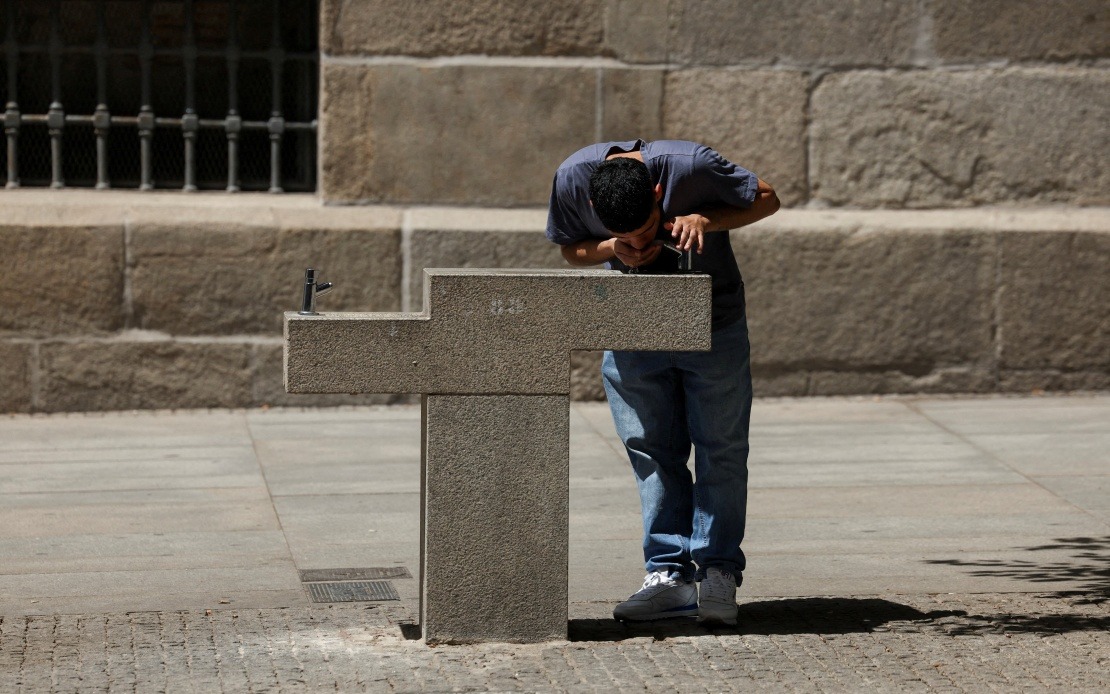
Spain's health authorities have released sobering new data revealing that extreme heat during June 2026 claimed the lives of at least 1,029 people, underscoring the deadly consequences of rising global temperatures and the vulnerability of urban populations to prolonged heat exposure. The Daily Mortality Monitoring System, operated by the Carlos III Health Institute's National Epidemiology Centre in Madrid, compiled the figures by tracking both direct heat fatalities and deaths where existing medical conditions were fatally worsened by the intense temperatures.
The June death toll encompasses a broad spectrum of heat-related casualties—from those who succumbed directly to heatstroke and hyperthermia to elderly and chronically ill individuals whose existing ailments became life-threatening during the sustained temperature surge. This inclusive methodology provides a more comprehensive picture of heat's true public health impact than statistics counting only direct heatstroke deaths, a distinction that matters significantly when governments assess climate adaptation needs and healthcare preparedness.
According to Spain's State Meteorological Agency (AEMET) data analysed by independent media, the average daily temperature across peninsular Spain in June reached 24.9 degrees Celsius, representing the second-highest reading since records began in 1961. Only June 2025 exceeded this threshold, when temperatures averaged 25.2 degrees Celsius. The pattern reflects an alarming acceleration of extreme heat events, with consecutive years now breaking or nearly breaking records—a trend that climate scientists attribute to anthropogenic climate change intensifying natural weather variability.
The June 2026 heatwave peaked dramatically on June 23, when Spain experienced what meteorologists have confirmed as the hottest single day in the country's recorded history. On that date, the 24-hour average temperature across Spain reached 29.6 degrees Celsius, while the average maximum temperature in peninsular Spain climbed to 38.2 degrees Celsius. This figure precisely matched the previous record established just one year earlier in June 2025, suggesting that Spain's heat ceiling may have stabilised at historically unprecedented levels—a development with profound implications for infrastructure, agriculture, and public health systems.
The intensity and persistence of the June heatwave is illustrated by meteorological data from the five-day period spanning June 20 to 24, during which AEMET weather stations across Spain registered 316 provisional local temperature records. Of these, 148 represented new maximum temperature highs, while 168 marked the highest overnight minimum temperatures ever recorded at those locations. Breaking overnight minimum records is particularly significant for human health, as it prevents the natural cooling that typically provides relief and allows bodies to recover from daytime heat stress.
On the peak heat day of June 23, approximately 35.7 million people—roughly 73 percent of Spain's entire population—faced quantifiable health risks from the extreme temperatures according to alerts issued by the Health Ministry's Meteosalud system. This near-total population exposure reveals how thoroughly the heatwave penetrated Spanish territory, leaving virtually no region unaffected and straining emergency medical services across the nation. The geographical ubiquity of the threat meant that hospitals, emergency departments, and ambulance services simultaneously confronted surging demand for heat-illness treatment.
For Southeast Asian observers, Spain's experience carries crucial relevance given the region's tropical climate and rapidly urbanising populations. Many Southeast Asian nations already contend with regular temperatures exceeding 30 degrees Celsius, and several cities from Bangkok to Manila to Jakarta house tens of millions of residents in densely packed urban environments with limited air-conditioning access. The Spanish case demonstrates that even wealthy, developed nations with advanced healthcare infrastructure struggle to contain mortality during extreme heat events, raising troubling questions about regional preparedness.
The consecutive years of record-breaking heat in Spain—with June 2025 and June 2026 each setting or nearly setting national records—suggest that climate change is not merely increasing average temperatures but fundamentally altering the distribution of extreme weather events. This shift means that heat levels once considered unusual will become routine, potentially rendering current public health infrastructure and urban planning assumptions obsolete within decades.
Spain's government and health authorities now face mounting pressure to implement comprehensive heat adaptation strategies. These might encompass expanded cooling centre networks, improved public alert systems, mandatory cool-rest periods in workplaces, and building code reforms requiring enhanced thermal efficiency. The fact that over 1,000 deaths occurred despite Spain's status as a high-income nation with sophisticated monitoring systems underscores how difficult it remains to prevent heat mortality even with substantial resources.

