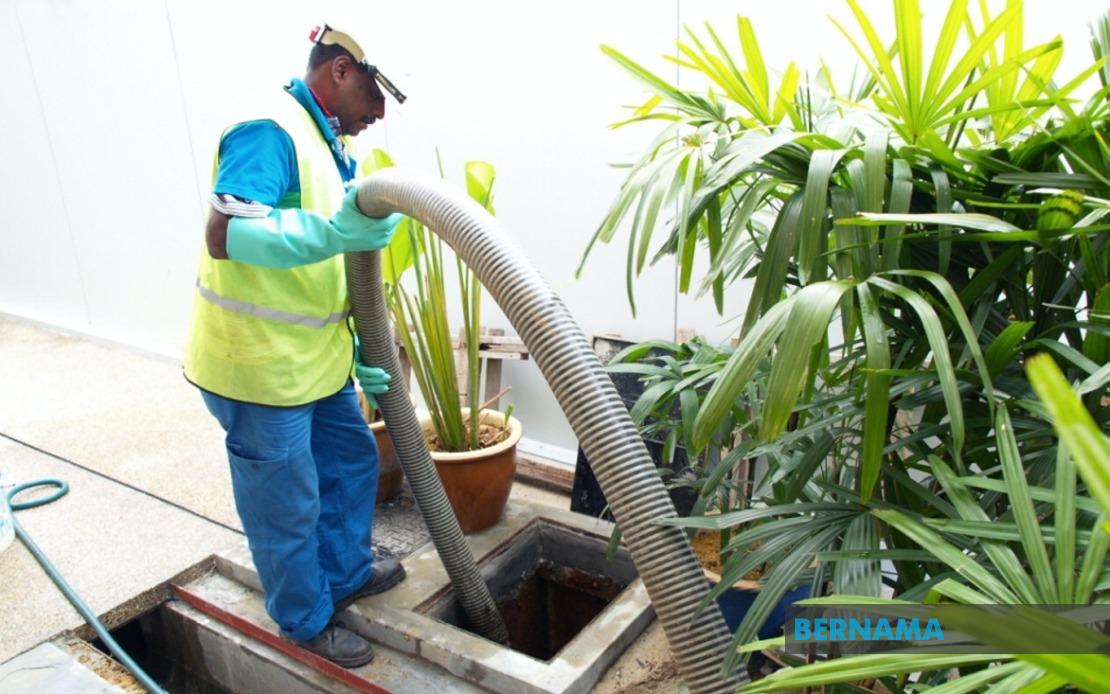
Malaysia's water regulator has launched a significant enforcement campaign targeting widespread neglect of septic tank maintenance in Sungai Petani's business district. The National Water Services Commission (SPAN) issued 270 compliance notices during an operation conducted between August 4 and 6, addressing systematic failures by property owners to adhere to mandatory drainage maintenance schedules. The enforcement action, which examined 341 premises across the northern Kedah district, underscores growing concerns about environmental and public health standards in older commercial zones across the country.
The operation, designated Ops Padi 2, revealed a troubling pattern of non-compliance among business operators and residents who had ignored previous notices from Indah Water Konsortium Sdn Bhd (IWK), the nation's largest sewerage service provider. During inspections, enforcement teams from SPAN's Operations Division discovered that the majority of targeted properties—comprising 242 commercial establishments and 99 residential units—had consistently breached requirements to empty and maintain their septic systems. Ainal Yusman Mohamad Yusop, director of SPAN's Operations Division Enforcement Section, indicated that the prevalence and severity of violations justified intensive field operations to restore compliance standards.
The demographic profile of non-compliant premises reveals a pattern rooted in infrastructure age and changing service demands. Most inspected properties were constructed during the 1970s and 1980s, an era when septic systems were the primary sanitation solution for businesses and households outside centralized sewerage networks. However, the passage of decades has exposed critical maintenance gaps, with many property owners either unaware of or indifferent to their legal obligations. Documentation uncovered during the operation indicated septic tanks at some locations had not been professionally serviced for fifteen years or longer, with records showing the last maintenance at certain premises dated to 1997 or 1999—a quarter-century of accumulated solids and potential environmental contamination.
Under the Water Services Industry Act 2006 (Act 655), property owners bear unambiguous legal responsibility for maintaining drainage infrastructure on their premises by engaging licensed service providers or permit holders to conduct desludging operations. This regulatory framework establishes clear accountability chains, yet widespread ignorance or disregard for these requirements persists across Malaysian commercial zones. The sheer scale of violations discovered in a single Sungai Petani operation suggests that similar compliance failures likely exist in other towns and cities nationwide, indicating a broader systemic challenge for regulators attempting to enforce sanitation standards.
The compliance notices issued represent an initial intervention point in SPAN's escalating enforcement ladder. Recipients have been granted a fourteen-day window to respond and take corrective action by arranging professional septic tank emptying services. This grace period reflects a measured regulatory approach designed to encourage voluntary compliance before more punitive measures are deployed. The timeframe is sufficiently generous to permit property owners to contact licensed service providers and schedule maintenance, yet sufficiently brief to prevent indefinite delays and continued environmental risk.
Property owners who fail to respond within the fourteen-day compliance period will face enhanced enforcement consequences. SPAN has indicated that follow-up actions will include formal notices of offence and potential criminal investigations, escalating the stakes significantly for non-responsive recipients. The regulatory framework establishes substantial financial penalties as deterrents, with maximum fines reaching RM50,000 for violations under Section 65(1)(c) of the Water Services Industry Act. For many small business proprietors, such penalties would represent devastating financial consequences, substantially exceeding the cost of professional septic tank maintenance.
The enforcement operation illuminates broader environmental and public health implications of neglected drainage infrastructure. Improperly maintained septic systems pose contamination risks to groundwater supplies, particularly critical in areas where wells and boreholes supplement municipal water sources. The accumulation of untreated sewage solids creates breeding grounds for pathogenic organisms and can generate objectionable odours affecting surrounding neighbourhoods and commercial viability. Beyond environmental concerns, systematic sanitation failures undermine public confidence in regulatory institutions and create inequitable situations where compliant businesses shoulder costs that non-compliant competitors avoid.
The Sungai Petani operation reflects wider Malaysian efforts to strengthen environmental compliance mechanisms across the water sector. SPAN's enforcement strategy combines targeted field operations with graduated penalties designed to achieve behavioral change without unnecessarily devastating small business operators. However, the volume of violations discovered—270 notices from fewer than 350 inspected premises represents a seventy-seven percent failure rate—indicates that public awareness and voluntary compliance remain inadequate. Educational campaigns highlighting maintenance obligations and environmental consequences may prove necessary complements to enforcement-focused approaches.
Regional implications extend beyond Sungai Petani, as similar aged commercial zones exist throughout Peninsular Malaysia and beyond. Towns developed during the 1970s and 1980s across Kedah, Perlis, Terengganu, and Pahore likely face comparable maintenance backlogs affecting sanitation infrastructure. Property owners across these jurisdictions should anticipate increased regulatory scrutiny and should proactively assess their septic system maintenance records. For those operating commercial premises constructed during earlier decades, contacting licensed service providers to arrange inspections and necessary desludging work represents prudent anticipatory compliance that avoids penalties and potential business disruption.

