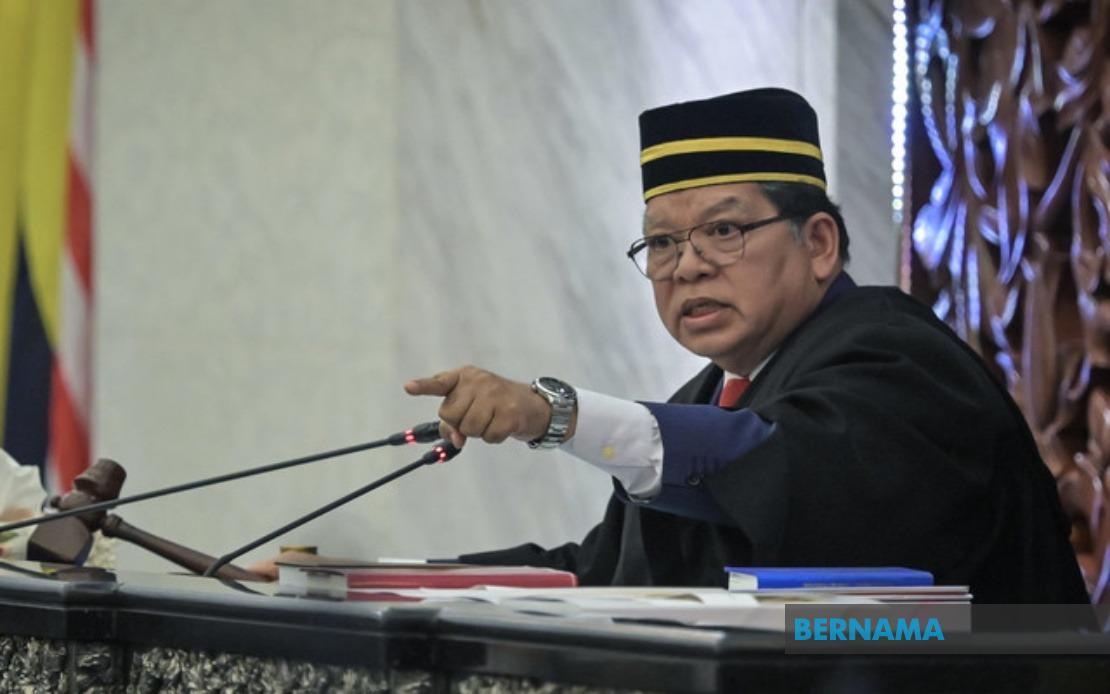
Dewan Rakyat Speaker Tan Sri Dr Johari Abdul has called on Members of Parliament to prioritise their health and undergo regular medical screenings, using the recent hospitalisation of a fellow legislator as a catalyst for the public health message. The reminder was delivered at the start of Parliament's question-and-answer proceedings on July 8, following an incident in which Kuala Terengganu MP Datuk Ahmad Amzad Hashim required emergency care at the National Heart Institute (IJN) whilst attending proceedings.
The timing of the speaker's intervention highlights the critical role parliamentary leadership plays in promoting wellness culture among elected representatives. Johari's remarks came as Datuk Ahmad Amzad Hashim was in treatment after collapsing while present during Minister's Question Time, an event that underscored the high-pressure environment in which lawmakers operate and the toll that legislative duties can exact on physical wellbeing. The Kuala Terengganu MP had been scheduled to contribute to parliamentary debate on Malaysia's Human Rights Commission annual report at the time of his medical emergency.
The annual health screening initiative represents a structured institutional approach to preventive medicine within Parliament, a programme that has operated continuously since 2023 through collaboration between the legislative body and the Ministry of Health. This framework provides MPs with access to standardised health assessments designed to identify potential cardiovascular, metabolic, and other medical conditions before they escalate into serious episodes requiring emergency hospitalisation. Such programmes are particularly valuable within parliamentary settings, where irregular working hours, stress, and demanding schedules can obscure early warning signs of deteriorating health.
In his address to the chamber, Johari articulated the underlying rationale for these screenings with emphasis on early detection and intervention. He noted that identifying health issues during their initial stages enables Members to implement preventive strategies, modify lifestyles, adjust medications, or pursue appropriate medical treatments before critical events occur. This preventive framework contrasts sharply with reactive emergency medicine, where conditions have already advanced to life-threatening status. The speaker's comments reflected growing international recognition that parliamentary institutions bear responsibility for supporting the health of their members, given the unique occupational stressors legislators face.
The incident involving Datuk Ahmad Amzad Hashim serves as a sobering reminder of the unpredictability of health crises, even among relatively younger legislators actively performing their duties. His collapse whilst engaged in parliamentary business demonstrates that cardiovascular events and other serious medical emergencies can strike suddenly, regardless of the individual's perceived fitness or previous health history. The visibility of such incidents within Parliament itself tends to catalyse broader cultural shifts toward health consciousness among colleagues who witness these events firsthand.
Take-up of the health screening programme among MPs has been described as encouraging, with Johari publicly acknowledging those members who have participated in the initiative. This recognition serves multiple purposes: it validates individual choices to prioritise health assessments, creates subtle peer pressure encouraging non-participants to enrol, and demonstrates institutional commitment to the programme's continuation and expansion. Public appreciation for participant engagement is a common institutional strategy in promoting voluntary wellness programmes, particularly within hierarchical settings where top-down mandates may prove less effective than peer encouragement and leadership endorsement.
The Ministry of Health's partnership in delivering these screenings represents a valuable allocation of government health resources toward a preventive public health initiative. Beyond the direct medical benefits to individual MPs, such programmes generate standardised health data that can inform broader understanding of health trends among Malaysia's legislative population. Patterns emerging from these screenings might reveal occupational or demographic health challenges specific to the parliamentary environment, insights that could influence broader policy discussions around worker wellness, occupational safety, and healthcare resource allocation.
The incident also raises questions about emergency response protocols within Parliament itself. Institutions housing significant numbers of individuals engaged in high-stress activities have begun investing in on-site medical capabilities and rapid-response systems. The presence of defibrillators, trained first-aid responders, and clear evacuation procedures to nearby hospitals like IJN can substantially improve outcomes in cardiac emergencies. Parliamentary administrations across the region increasingly recognise that supporting legislator health extends beyond screening programmes to encompass robust emergency response infrastructure.
For Malaysian MPs more broadly, the speaker's intervention carries implications beyond individual health choices. Legislators who maintain good health and energy levels are better positioned to perform their representative and legislative functions effectively. Poor health, chronic conditions, and fatigue have been associated with reduced parliamentary participation, diminished quality of legislative contributions, and decreased constituent engagement. Thus, the institutional support for MP health screening serves not only individual wellbeing but also the broader functioning of Parliament as a democratic institution.
The emphasis on regular health assessments within Parliament also reflects evolving standards of occupational health and safety that extend to white-collar professional environments. Historically, health and safety investments in Malaysia have concentrated on manual and industrial workers, but expanding recognition of occupational stressors affecting knowledge workers and public servants has prompted institutional attention to their wellness needs. Parliamentary institutions are increasingly viewed as employers with responsibility to support staff wellbeing through preventive health programmes, mental health services, and supportive working conditions.
Moving forward, the sustainability and expansion of Parliament's health screening initiative will likely depend on continued political will and adequate funding allocations. As the programme enters its second full year of operation under this institutional framework, assessing participation rates, health outcomes, and the cost-benefit profile of early detection and intervention becomes important for justifying continued investment. Should the programme demonstrate concrete health benefits or cost savings through prevented emergency hospitalisations, it could serve as a model for other government institutions seeking to establish similar preventive health infrastructure.
The broader lesson from Speaker Tan Sri Dr Johari's intervention extends to workplace health culture across Malaysian organisations. When institutional leaders visibly prioritise health and actively promote preventive medical practices, they establish norms that permeate organisational behaviour. The parliamentary example, given its high visibility and symbolic importance within national governance, carries outsize influence on how Malaysian institutions of all types approach occupational health and employee wellness.

