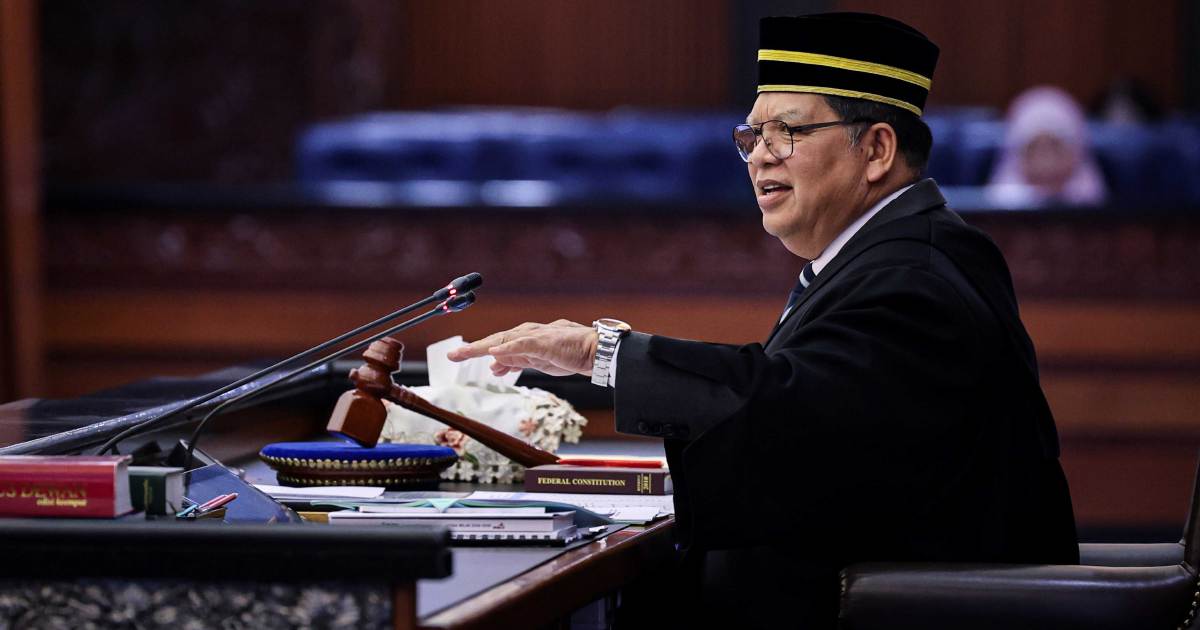
Dewan Rakyat Speaker Tan Sri Johari Abdul has issued a forthright directive to parliamentarians concerning their attendance obligations, reminding members that legislative sessions should not be bypassed unless they have a justifiable cause for their absence. The pronouncement reflects growing concerns about the consistency of parliamentary participation and the need for lawmakers to prioritize their legislative responsibilities.
Regular attendance at parliamentary sittings forms the bedrock of a functioning legislature and democratic accountability. When Members of Parliament fail to show up without legitimate justification, it undermines the credibility of the institution itself and deprives constituents of the representation they elected their lawmakers to provide. The Speaker's intervention suggests that the Dewan Rakyat has encountered instances of unexplained or unjustified absences that warrant an official reminder of parliamentary conduct standards.
The significance of this reminder extends beyond mere administrative compliance. Parliamentary attendance directly impacts legislative effectiveness, as the presence of members ensures that debates are robust, scrutiny is thorough, and decision-making reflects broad consensus. When absenteeism runs high, the quality of parliamentary proceedings deteriorates, and controversial decisions may proceed with insufficient deliberation or opposition voices adequately represented. Malaysia's bicameral legislature depends on the active participation of all elected representatives to maintain its institutional integrity.
Within the Malaysian context, where coalition governments have sometimes operated with razor-thin majorities, attendance becomes even more consequential. Unaccounted absences can shift voting dynamics on crucial legislation, particularly in contentious parliamentary divisions. The Speaker's directive therefore carries practical implications for government stability and the legislative agenda, making it a matter of constitutional significance rather than mere procedural housekeeping.
The issue of parliamentary attendance has periodically surfaced in legislative bodies across Southeast Asia and beyond. Members cite various reasons for absences—personal illness, family emergencies, constituency duties, or committee assignments conducted elsewhere. However, the Speaker's comments suggest that some absences lack such justification, indicating a need for greater discipline within the parliamentary ranks. This reflects a broader challenge many Westminster-style parliaments face in maintaining attendance standards while accommodating the multifaceted demands placed on contemporary elected officials.
What constitutes a "valid reason" for absence naturally invites scrutiny. Parliamentary conventions generally recognize medical emergencies, bereavement, scheduled committee work, and official government duties as legitimate grounds. However, the boundaries remain contested, particularly when members cite constituency work or external commitments that might arguably be postponed to accommodate parliamentary duties. The Speaker's statement implicitly calls for stricter interpretation of what qualifies as justifiable absence, signaling that the threshold for acceptable excuses will be raised.
The enforcement mechanisms available to the Speaker for ensuring compliance exist within parliamentary standing orders, which typically provide for inquiries into the reasons for absence and potential disciplinary measures. While the Speaker rarely employs punitive powers, the act of publicly reminding members demonstrates institutional pressure and raises the reputational cost of unexcused absences. Peer pressure among parliamentarians can prove an effective deterrent when formal sanctions prove cumbersome to implement.
From a Malaysian governance perspective, this reminder arrives at a moment when public confidence in parliament's effectiveness has periodically wavered. Ensuring that elected members demonstrate commitment through regular presence represents a tangible way to rebuild public trust and demonstrate that parliamentarians take their constitutional obligations seriously. Voters expect their representatives to be present and active in legislative chambers, and the Speaker's intervention reinforces this expectation.
The directive also serves an educational function, particularly for newly elected members who may be navigating parliamentary procedure and expectations for the first time. Clear communication of attendance standards helps establish institutional norms and prevents inadvertent violations based on misunderstanding. By reinforcing these expectations publicly, the Speaker establishes a framework within which all members operate on equal footing.
Moving forward, the Speaker's warning likely signals that the parliamentary administration will monitor attendance patterns more rigorously. Members returning from extended absences may face inquiries about their reasons, and systematic tracking of attendance records will provide documentation should discipline become necessary. This administrative tightening aims to create a culture where regular attendance becomes the expected norm rather than an exception.
Ultimately, the Speaker's statement encapsulates a fundamental principle of representative democracy: legislators bear responsibility not merely to their party leaders or personal interests, but to the democratic institution they serve and the constituents they represent. By declining to make excuses for absenteeism, Tan Sri Johari Abdul advances the argument that parliamentary membership entails a non-negotiable commitment to attendance unless genuinely unavoidable circumstances intervene. This stance strengthens the Dewan Rakyat's standing as a serious deliberative body worthy of public respect and confidence.