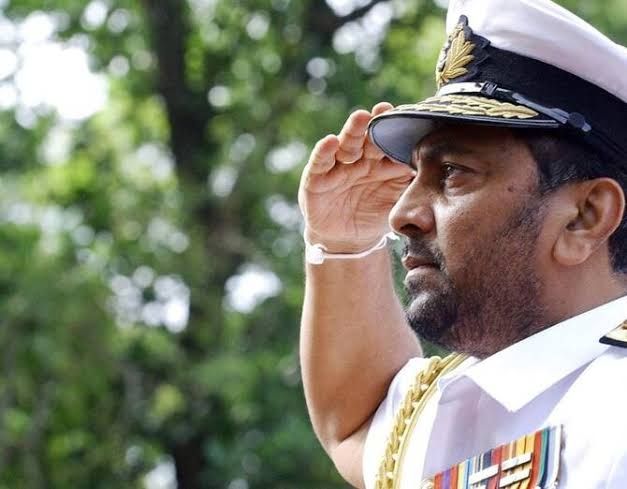
The arrest of Admiral of the Fleet Wasantha Karannagoda on corruption charges represents another significant milestone in Sri Lanka's intensifying legal reckoning with the Rajapaksa family, whose grip on the nation's politics and security apparatus extended across two decades. The 73-year-old retired military officer was taken into custody on Friday by the country's Bribery Commission following allegations that he orchestrated the irregular enlistment and subsequent overseas training of Yoshitha Rajapaksa, the then-33-year-old son of former president Mahinda Rajapaksa, despite the younger man lacking the necessary military qualifications required for such advancement.
Karannagoda's detention marks a critical juncture in investigations that expose how political patronage penetrated Sri Lanka's defence establishment during the Rajapaksa administration. The recruitment occurred in 2006, when Karannagoda held the position of navy commander—a role he maintained until the conclusion of the nation's protracted civil war against Tamil separatist forces in 2009. His elevation to the ceremonial rank of admiral of the fleet came a decade later in 2019, though he has since departed active service. The Bribery Commission's formal statement underscored the severity of the allegations, asserting that Karannagoda had committed a clear offence of corruption in facilitating both Yoshitha's recruitment and his admission to prestigious overseas military training programmes.
Yoshitha Rajapaksa, now 38, has emerged as a central figure in the broader corruption investigations ensnaring his family. Currently released on bail, he faces a separate criminal prosecution stemming from allegations that he improperly utilised state resources to fund advanced naval training at the prestigious Dartmouth Royal Naval College in Britain. The case against the younger Rajapaksa illuminates a troubling pattern of family members leveraging positions of state power to secure advantages and privileges unavailable to ordinary citizens. His continued detention on bail underscores the gravity with which authorities regard these charges, even as the legal process unfolds through Sri Lanka's courts.
The resurgence of prosecutorial action against Karannagoda also reflects the shifting political landscape in Colombo following the election of President Anura Kumara Dissanayake in September 2024. Dissanayake's mandate explicitly centred on dismantling corruption and addressing long-dormant high-profile crimes that had languished without resolution during previous administrations. This institutional reset has revitalised investigations that had stalled or been shelved, signalling a decisive break from the political accommodation that previously characterised the Rajapaksa era. The timing of Karannagoda's arrest demonstrates the Dissanayake administration's willingness to pursue accountability across the military and security sectors, areas traditionally insulated from civilian oversight in post-conflict Sri Lanka.
Beyond the recruitment allegations, Karannagoda confronts a formidable array of additional charges that paint a darker picture of his service record. He has been sanctioned by the British government in March 2025 following credible accusations of grave human rights violations, extrajudicial killings, and serious crimes committed during Sri Lanka's final years of armed conflict. These designations carry profound implications for an individual who held one of the nation's highest military positions, suggesting that the senior echelons of the security forces may have participated in systematic abuses that occurred as the war wound toward its conclusion.
Further complicating Karannagoda's legal circumstances are conspiracy-to-murder charges arising from the deaths of eleven young men between 2008 and 2009, a period coinciding with the military's final offensive against Tamil separatists. These charges had originally been filed but were subsequently dropped in October 2021 during the presidency of Gotabaya Rajapaksa—Mahinda's younger brother—when political conditions favoured protection of military figures. However, the charges were formally revived under Dissanayake's administration, demonstrating how prosecutorial momentum can shift dramatically depending on the political complexion of government. The resurrection of these dormant cases sends a powerful signal that impunity for wartime conduct will no longer be systematically guaranteed through political patronage.
The intensified scrutiny of Yoshitha Rajapaksa also encompasses investigations into his unexplained wealth accumulation during the years his father exercised presidential authority. The younger Rajapaksa has struggled to account satisfactorily for the financial resources he deployed to purchase residential property, offering the implausible explanation that he had obtained funds by selling precious gemstones gifted to him by an elderly relative who herself could not coherently explain how she had originally acquired these valuable items. This evasive explanation—which strains credibility—underscores the pervasive opacity surrounding the financial dealings of the Rajapaksa inner circle and the informal systems through which wealth and privilege were distributed among family members and favoured associates.
Mahinda Rajapaksa's own family members have become entangled in the expanding web of legal accountability. His younger brother Gotabaya Rajapaksa was subjected to a comprehensive foreign travel ban last month in connection with preliminary investigations into potential complicity in or negligent oversight regarding the catastrophic Easter Sunday bombings of 2019, which claimed 279 lives in coordinated attacks on churches and hotels. These restrictions on Gotabaya's international movement represent a significant constraint on a former military chief and former president, illustrating how decisively the new administration has moved to restrict the latitude previously enjoyed by senior members of the political and military establishments.
The accumulating cases against members of the Rajapaksa family and their broader network of political and military associates underscore a fundamental reorientation of Sri Lanka's approach to accountability. Each of these prosecutions remains in active progression through the courts, with no definitive verdicts yet rendered. However, the sheer volume and diversity of pending charges—ranging from corruption and nepotism to human rights violations and conspiracy to murder—indicate that the judicial system is now processing allegations that would have been insulated from prosecution during the previous political dispensation. This represents not merely a change in government but potentially a structural shift in how state institutions address wrongdoing by powerful figures.
For Malaysia and other Southeast Asian democracies grappling with similar challenges of political corruption and military accountability, Sri Lanka's evolving trajectory offers instructive lessons about both the possibilities and limitations of post-transition justice. The cases against Karannagoda and other Rajapaksa associates demonstrate that even entrenched military establishments and politically connected families face potential legal consequences once political will aligns behind prosecutorial action. Yet the extended delays in resolving these matters—charges being dropped, then revived, pending court decisions stretching across years—also illustrate the institutional sluggishness that can frustrate demands for swift and decisive accountability. Sri Lanka's experience suggests that transforming anti-corruption rhetoric into sustained institutional practice requires more than electoral change; it demands persistent pressure and structural reforms within the judiciary, security forces, and prosecutorial agencies that can outlast individual political cycles.

