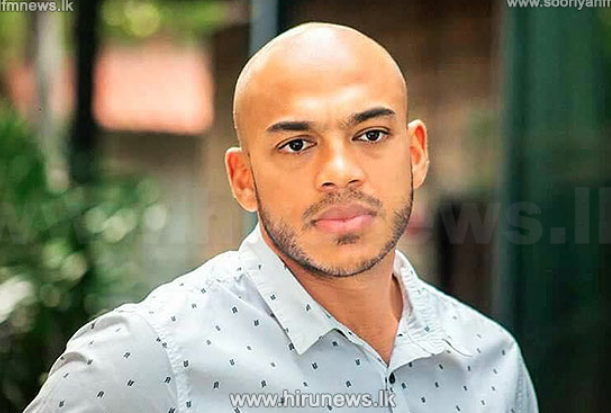
Sri Lanka's anti-corruption authorities have arrested Yoshitha Rajapaksa, the 38-year-old son of former president Mahinda Rajapaksa, following an investigation into the misuse of government resources during his naval career. The Bribery Commission confirmed the detention on Wednesday, June 17, bringing fresh scrutiny to a family whose dominance in Sri Lankan politics has crumbled in recent years, replaced by mounting legal jeopardy across multiple generations.
The charges centre on Yoshitha Rajapaksa's advancement through naval ranks despite lacking the required qualifications, culminating in state-funded officer training abroad. According to the commission, investigators found evidence that he used public money to attend a prestigious course at Dartmouth, Britain's naval college. The prosecution alleges this appointment occurred without the minimum academic and professional prerequisites that would normally govern such postings, effectively circumventing established protocols to benefit a family member.
Yoshitha Rajapaksa's attendance at Dartmouth had long attracted criticism from those arguing it represented nepotistic abuse of state resources. During his father's presidency from 2005 to 2015, observers contended that the younger Rajapaksa occupied a training placement that should have gone to a naval cadet who had earned selection through merit-based competition. This grievance festered across a decade, finally materializing into formal charges as political winds shifted decisively against the family.
The arrest represents one of several simultaneous legal pressures engulfing the Rajapaksa household. Yoshitha Rajapaksa had previously faced allegations in two money-laundering investigations and remained subject to restrictions on foreign travel. He had been released on bail pending trial, but his detention now escalates his legal exposure significantly. Additionally, separate criminal proceedings examine his unexplained wealth accumulation during his father's presidency, particularly regarding the purchase of residential property that his financial means appear insufficient to justify.
When investigators questioned Yoshitha Rajapaksa about property acquisition, he offered an explanation that raised further questions rather than resolving them: he claimed to have financed the purchase by selling gemstones gifted to him by his grandaunt. However, when authorities approached the elderly relative, she proved unable to account for how she had originally obtained such valuable stones, creating a suspicious evidentiary gap rather than closing one. This implausible chain of ownership underscores the broader pattern of questionable financial transactions surrounding the family.
Another separate case involves Yoshitha Rajapaksa's role in acquiring a television network, introducing yet another dimension to allegations of improper wealth accumulation and business dealings. The multiplicity of investigations suggests prosecutors view his conduct across several domains, rather than treating any single transaction as an isolated incident. Together, these cases construct a portrait of systematic financial irregularity spanning his military service, property purchases, and commercial ventures.
The intensified legal action against the Rajapaksa family follows President Anura Kumara Dissanayake's decisive election victory in 2024, achieved partly through campaign promises to dismantle corruption and hold the previous establishment accountable. Since assuming office, the new administration has granted fresh momentum to dormant prosecutions and initiated fresh investigations into family members and their associates. This represents a sharp reversal from earlier periods when political connections insulated the family from serious legal consequences.
Mahinda Rajapaksa, the patriarch whose presidency from 2005 to 2015 established the family's political prominence, now watches as his children and associates face mounting criminal charges. His younger brother Gotabaya served as president from 2019 until 2022, when mass protests ignited by economic catastrophe forced his resignation and departure from the country. Gotabaya Rajapaksa recently received notification of a foreign travel restriction as courts examine his potential culpability regarding the 2019 Easter Sunday bombings that claimed 279 lives.
The legal cascade engulfing the Rajapaksa clan reflects broader reckoning with governance practices during their tenure, encompassing not merely corruption allegations but also questions about accountability for security failures and suspected extrajudicial conduct. Multiple family members and associates face pending charges for offences ranging from financial crimes to serious allegations including murder. The courts continue processing these complex cases amid sustained public attention and political pressure.
For Malaysian and Southeast Asian observers, the Rajapaksa situation illustrates how regime change can fundamentally alter the legal treatment of previously protected figures. The family's fall from unchecked power to facing multiple prosecutions demonstrates the vulnerability of political dynasties when electoral fortunes shift decisively. Sri Lanka's experience suggests that democratic transitions can activate dormant institutional mechanisms, though the lengthy pending court proceedings also highlight how judicial processes operate slowly even when political will exists to pursue accountability.
The arrest of Yoshitha Rajapaksa signals that the new administration intends sustained prosecution rather than selective or performative action against the family. Whether these cases ultimately result in convictions and meaningful punishment will partly depend on judicial independence and the robustness of prosecutorial evidence. The cases carry significance beyond the individual defendants, functioning as tests of whether Sri Lanka's institutions can credibly enforce accountability against entrenched political families—a question resonating across the region as various governments navigate similar tensions between political change and institutional capacity.