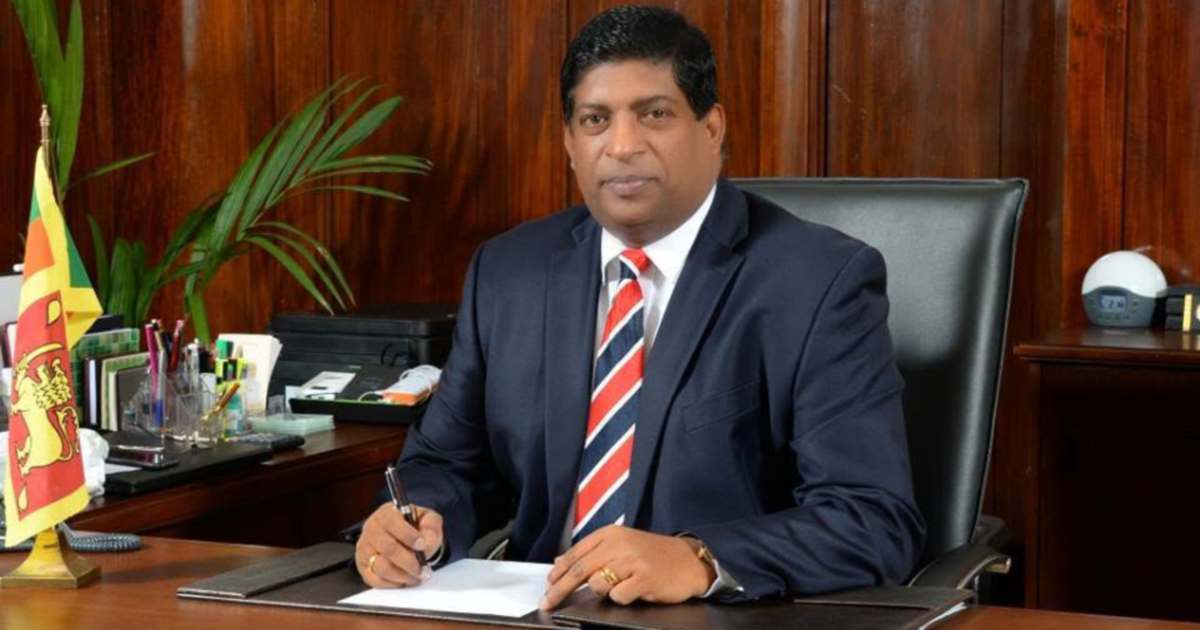
Sri Lanka's former finance minister Ravi Karunanayake was taken into custody on Monday following allegations that he diverted public resources to cover salary payments for his private staff, according to the island nation's principal anti-corruption enforcement agency. The arrest represents another significant development in Sri Lanka's ongoing efforts to pursue financial impropriety at the highest levels of government, an undertaking that has intensified following the country's recent economic crisis and political upheaval.
The detention of Karunanayake, who held the finance portfolio during a previous administration, underscores the vulnerability of former political figures to investigation once they lose parliamentary immunity or executive protection. Anti-corruption bodies across the region have similarly targeted former ministers and officials following changes in government, reflecting broader patterns of accountability efforts that often intensify with political transitions. In Sri Lanka's case, the targeting of high-ranking financial officials carries particular significance given the scrutiny of how public money was managed during periods leading up to the country's 2022 financial meltdown.
The specific allegations centre on Karunanayake's purported use of state finances to pay compensation to individuals working in his private capacity, suggesting potential breaches of fiduciary responsibility and established protocols governing the separation between personal and official funds. Such conduct, if substantiated, would constitute a fundamental violation of the public trust and the ethical standards expected of those entrusted with managing national resources. The anti-corruption authority's action signals its determination to examine the financial conduct of former administrations, particularly regarding discretionary spending and unauthorised allocation of government revenue.
Karunanayake's arrest occurs within a broader context of institutional reform and governance rehabilitation in Sri Lanka. The country has struggled to rebuild international confidence in its financial management and institutional integrity following economic collapse that forced the nation to seek International Monetary Fund assistance. Creditors and international observers have emphasised the necessity of demonstrating robust accountability mechanisms and willingness to prosecute financial misconduct at all levels of the political establishment. The prosecution of prominent former officials thus serves dual purposes: addressing actual wrongdoing whilst simultaneously projecting a reformed institutional landscape to sceptical external audiences.
The role of finance ministers in determining resource allocation and expenditure patterns makes them particularly sensitive figures in any anti-corruption investigation. Former holders of this portfolio remain obvious targets for scrutiny, as they maintained direct authority over substantial public funds and discretionary spending mechanisms. The investigation into Karunanayake's conduct likely forms part of a wider examination of how state resources were deployed during his tenure, with auditors potentially examining multiple transactions and payment flows beyond the immediate allegations prompting his arrest.
Malaysian observers should note that Sri Lanka's approach to post-crisis accountability mirrors patterns seen elsewhere in the region where incoming administrations pursue predecessors for financial irregularities. The effectiveness and impartiality of such prosecutions frequently determine whether they constitute genuine institutional reform or politically motivated vindication. The stability of legal processes and protection against weaponisation of anti-corruption mechanisms remain critical concerns for all Southeast Asian nations attempting to strengthen governance standards.
The timing of Karunanayake's arrest carries relevance for broader regional dynamics surrounding financial accountability and the treatment of former officials. How Sri Lankan authorities conduct this investigation, the quality of evidence presented, and the transparency of judicial proceedings will influence perceptions of the country's commitment to impartial rule of law. These perceptions extend beyond Sri Lanka itself, affecting regional confidence in institutional reliability and attracting international investment to a nation still rebuilding its economic reputation.
The detention also reflects the particular vulnerability of finance-related positions to investigation during transitions of power. Unlike portfolio holders in other departments, finance ministers maintain detailed records of their decision-making authority, budgetary approvals, and fund disbursements. These administrative trails facilitate both legitimate investigation and potential political targeting. The challenge for Sri Lankan institutions lies in distinguishing between genuine corruption and legitimate policy disagreements between successive administrations regarding resource priorities.
Looking forward, the prosecution of Karunanayake will likely set procedural and evidentiary benchmarks for investigating financial misconduct among former senior officials. The case may establish precedents regarding acceptable evidence standards, the treatment of former ministers under detention, and the burden of proof required to secure convictions. Other regional governments monitoring developments in Colombo may calibrate their own accountability initiatives based on outcomes in high-profile cases involving former finance ministers and other prominent officials.
The broader implications for Sri Lanka's institutional recovery remain significant. Demonstrating capacity to investigate and prosecute corruption regardless of the political status of the accused strengthens democratic credibility and reassures international stakeholders. However, ensuring that investigations remain grounded in evidence rather than political calculation requires institutional independence and transparent processes. The coming months will reveal whether Sri Lankan authorities can maintain this balance whilst pursuing accountability for financial misconduct.

