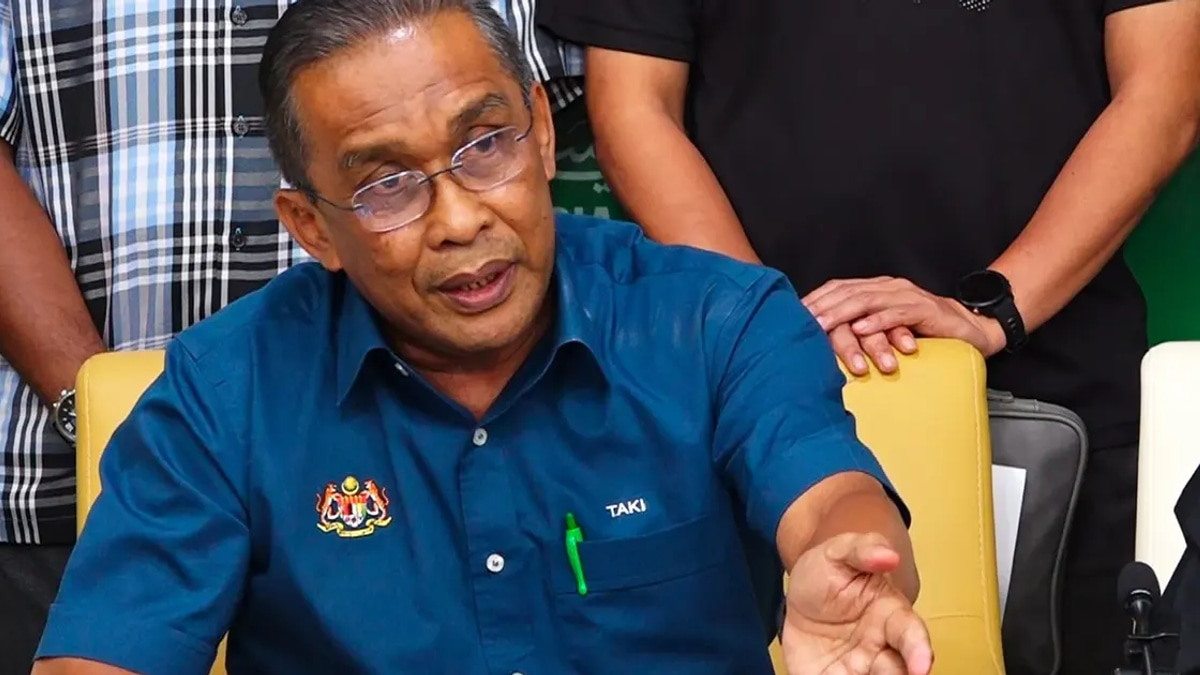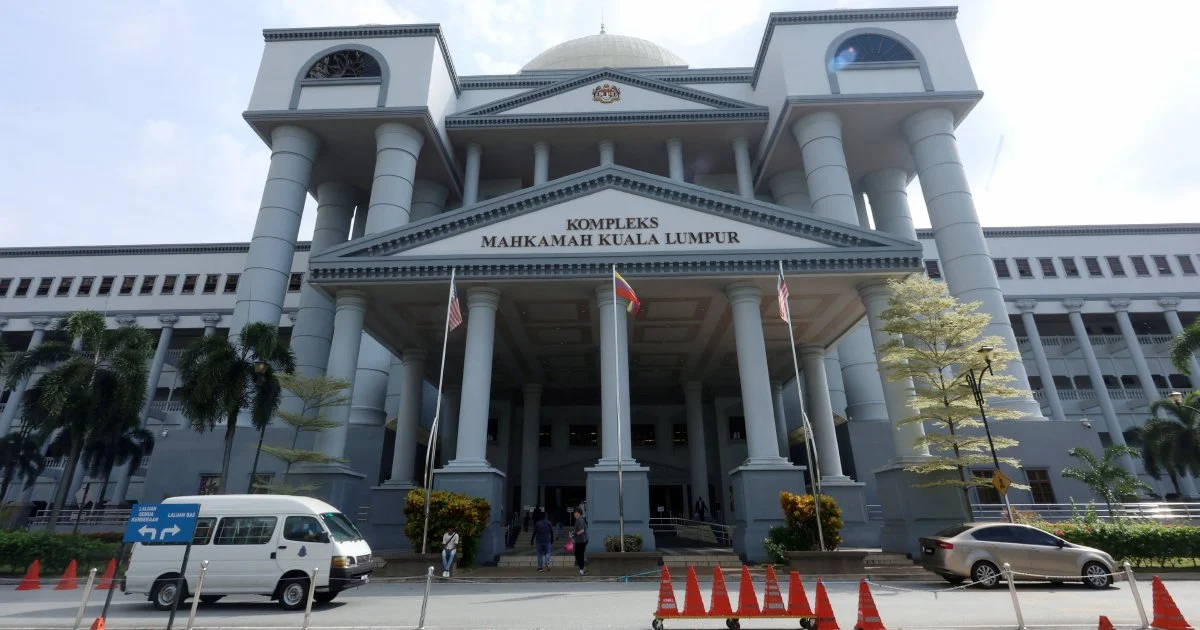
A chief executive heading a statutory body has been arraigned in Sessions Court to face seven separate graft charges stemming from an investigation into the unlawful solicitation and acceptance of bribes totalling more than RM1 million. The charges relate to alleged corrupt dealings connected to sports facilities, marking another significant case in the government's ongoing anti-corruption enforcement efforts.
The prosecution of high-ranking officials managing public institutions has become increasingly common as enforcement agencies intensify their scrutiny of procurement irregularities and misuse of public resources. Statutory bodies—organisations established by parliament or government to perform specific public functions—occupy positions of considerable influence over substantial budgets and major infrastructure projects. When senior management at such organisations face allegations of graft, the implications extend beyond individual misconduct to questions about institutional oversight and governance frameworks.
The decision to charge the CEO with seven separate offences rather than consolidating them indicates the systematic nature of the alleged conduct. Prosecutors typically structure charges this way when multiple instances of similar wrongdoing are identified across different transactions or time periods, suggesting the allegations involve repeated patterns of corrupt behaviour rather than isolated incidents. This approach also maximises potential penalties upon conviction, as each charge carries independent sentencing provisions.
The RM1 million threshold represents a substantial sum in the context of public procurement, especially regarding sports facilities which often serve community interests. Sports infrastructure projects typically involve competitive bidding processes, regulatory approvals, and public accountability mechanisms. An allegation that a statutory body's top executive systematically solicited bribes from contractors fundamentally undermines these safeguards designed to ensure fair competition and value for public money.
For Malaysian readers and businesses, such cases underscore the reputational and legal risks of engaging with public procurement. Contractors and suppliers working with government institutions face exposure if they encounter demands for improper payments. The enforcement action also highlights the anti-corruption authorities' capacity to investigate and build cases against senior officials, a significant deterrent against would-be offenders in the public sector.
The timing and scope of these charges reflect broader patterns in Malaysia's anti-graft enforcement landscape. Since 2018, investigations into public sector corruption have expanded considerably, with particular focus on procurement irregularities in areas involving significant capital expenditure. Sports facilities and related infrastructure development have featured in several high-profile investigations, suggesting this sector may present particular vulnerabilities to corrupt practices or that authorities have prioritised scrutiny in this domain.
Statutory bodies across Malaysia manage essential public services ranging from utilities to development authorities. When executives leading such organisations face serious criminal allegations, questions inevitably arise regarding the effectiveness of internal controls, board oversight, and audit mechanisms. Stakeholders including relevant government ministries, oversight bodies, and the public naturally scrutinise whether systemic weaknesses enabled the alleged misconduct to occur unchecked.
The legal proceeding ahead will involve complex examination of evidence including financial transactions, correspondence, and witness testimony. Prosecutors will need to establish not merely that payments changed hands, but that the CEO specifically solicited them in exchange for official favours or contracts. Defence arguments typically centre on characterising payments as legitimate fees, disputed interpretations of contractual obligations, or claims that no quid pro quo arrangement existed.
Regional observers note that Malaysia's anti-corruption trajectory attracts attention across Southeast Asia, particularly given the jurisdiction's economic importance and its institutional frameworks for enforcement. The independence and vigour with which cases involving powerful officials proceed significantly influences perceptions of the rule of law and institutional credibility both domestically and internationally. High-profile prosecutions of this nature either reinforce confidence in enforcement mechanisms or, conversely, highlight selective application if peers escape similar scrutiny.
The sporting community and related construction sectors may also experience indirect impacts from such investigations. Contractors and suppliers undertaking projects with statutory bodies often face heightened compliance expectations and documentation requirements as authorities emphasise transparency and proper governance. While these measures aim to prevent corruption, they can increase transaction costs and administrative burdens for legitimate business operations.
The statutory body in question will likely face operational questions during and after the legal proceedings. Questions may arise regarding interim leadership arrangements, project continuity, and whether the investigation reveals underlying governance deficiencies requiring institutional reform. Government ministries overseeing such bodies typically review their administrative structures and oversight mechanisms following executive-level graft allegations.
As the case proceeds through Sessions Court, the evidentiary phase will provide opportunities for the accused to test the prosecution's allegations through legal mechanisms. The outcome will carry significance not only for the individual involved but potentially for institutional policies, governance standards, and enforcement precedents affecting the broader public sector landscape in Malaysia.