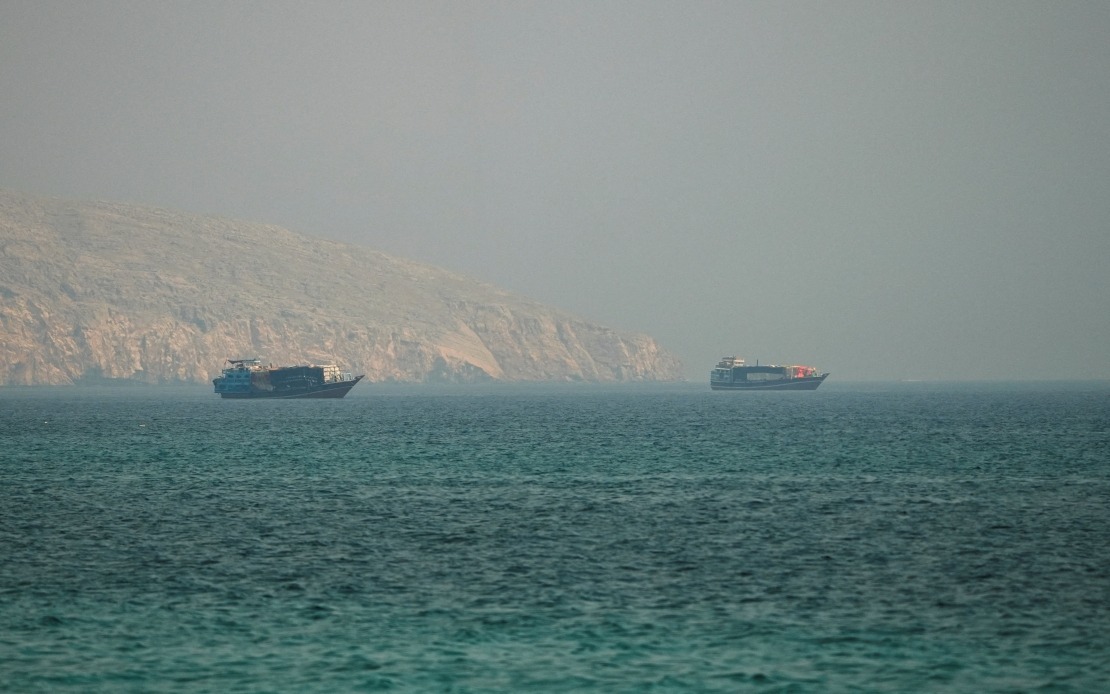
Commercial shipping through one of the world's most strategically vital waterways faces a persistently dangerous operating environment, according to a Friday warning from the UK Maritime Trade Operations. The Strait of Hormuz, through which roughly one-fifth of global oil passes daily, continues to experience what maritime authorities classify as severe threat conditions following a spate of recent attacks targeting merchant vessels transiting the channel.
The UK agency's Joint Maritime Information Centre reaffirmed that despite these security concerns, the expanded southern shipping corridor remains open and accessible to all vessels requiring passage. This assurance reflects efforts by maritime authorities to maintain commercial traffic flow through the strategically critical chokepoint separating Iran from the Arabian Peninsula. Yet the persistence of warnings underscores how fragile that access remains in practice, with the waterway having become a flashpoint in broader geopolitical confrontations.
Vessels operating in the region now face multiple operational hazards. Beyond the documented attacks themselves, mariners must prepare for unsolicited radio contact from naval forces monitoring the area using very high frequency channels. Navigation is further complicated by the presence of designated mine-danger zones that ship operators must actively monitor and avoid. These layered security challenges transform what was once routine commercial passage into a complex exercise in vigilance and risk management.
The current instability traces directly to escalating military actions between the United States and Iran. Washington has launched repeated strikes against Iranian military installations and supporting infrastructure, justifying these operations as proportional responses to Iranian-linked attacks on merchant shipping. This tit-for-tat cycle has created an environment where commercial vessels find themselves caught between two military powers engaged in sustained hostilities, regardless of their national registry or political alignment.
Tehran maintains its own narrative regarding maritime operations through the strait. Iranian authorities insist that vessels coordinate passage through their designated channels and reject alternative routing options that bypass Iranian-specified corridors. This demand for prior notification effectively asserts Iranian sovereignty over transit arrangements, a position that contradicts international maritime law provisions for freedom of navigation. The Iranian government has reinforced this stance through drone attacks targeting United States military assets throughout the Persian Gulf region and in Jordan, signalling its determination to maintain pressure on American interests.
For Malaysian shipping companies and regional maritime operators, the implications are considerable. As a nation dependent on stable international shipping lanes and a major importer of Middle Eastern energy resources, Malaysia has direct interests in restoring navigational security through the Hormuz Strait. Any prolonged disruption to oil flows through this channel would push energy prices upward, affecting Malaysia's manufacturing competitiveness and industrial costs. Additionally, Malaysian-flagged vessels or those carrying Malaysian cargo risk becoming unintended casualties in this broader conflict.
There have been diplomatic efforts to arrest this deteriorating situation. Last month, Iran and the United States concluded preliminary negotiations on a memorandum of understanding, with Pakistan serving as mediator. These discussions ostensibly aimed at de-escalation and establishing frameworks for durable peaceful arrangements between the two adversaries. However, the actual prospects for success remain deeply uncertain, particularly given that hostile military operations have continued even as negotiations proceeded. The disconnect between diplomatic progress and tactical realities suggests neither side possesses sufficient confidence in negotiated outcomes to significantly reduce military pressure.
The economic consequences of sustained high threat levels extend beyond immediate shipping costs. Insurance premiums for vessels transiting the strait have risen substantially, effectively adding surcharges to all commerce passing through the waterway. Regional economies that depend on predictable shipping schedules and stable logistics costs face margin pressures that accumulate across entire supply chains. For Southeast Asian nations like Malaysia, which participate actively in global value chains centred on manufactured goods and energy trade, these disruptions introduce economic friction that compounds across quarters.
The strategic significance of the Strait of Hormuz to global energy security cannot be overstated. Approximately 21 million barrels of crude oil transit the waterway daily, with any significant interruption creating immediate pressure on international petroleum markets. This concentration of critical energy flows through a confined geographic chokepoint vulnerable to military action represents a structural vulnerability in global energy infrastructure. The current confrontation between Washington and Tehran exploits this vulnerability, making the strait itself a battleground for broader regional and great-power competition.
For Malaysia and other regional maritime states, the situation demands sustained diplomatic engagement aimed at reducing tensions between the principal antagonists. ASEAN nations have considerable interest in promoting de-escalation, given the region's dependence on stable maritime trade through this critical passage. Malaysian policymakers should consider whether regional diplomatic initiatives might contribute meaningfully to confidence-building measures or whether external mediation frameworks offer additional avenues for encouraging restraint among the belligerents.

