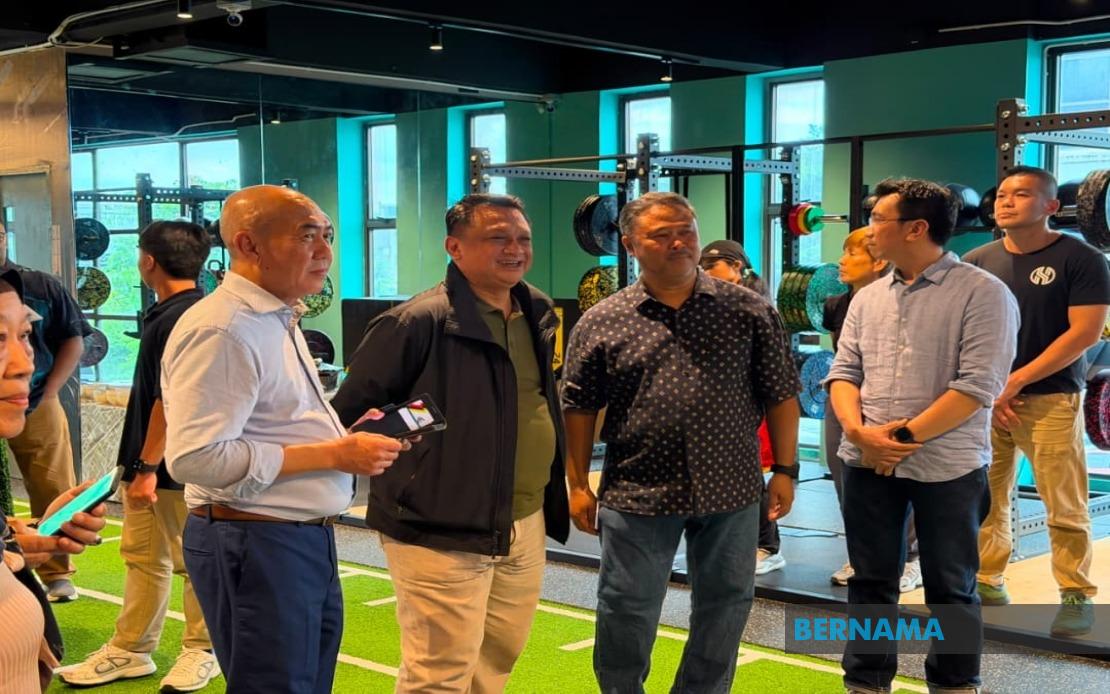
Malaysia's rapidly ageing population faces a mounting public health challenge that remains largely unaddressed: the preventable epidemic of falls and fractures among senior citizens. Dr Adibah Ali, owner of FitLab gymnasium in Kuching, is sounding an urgent call for greater public awareness of muscle-strength training as a practical solution to this pressing concern. Despite Malaysia's shifting demographic landscape, with seniors comprising an increasingly significant portion of the national population, knowledge about the protective benefits of structured strength programmes remains surprisingly limited among both elderly citizens and the healthcare community.
Dr Adibah's professional background lends considerable weight to her advocacy. Over 22 years working as a consultant breast and endocrine surgeon in hospital settings, she has witnessed the tragic consequences of preventable falls firsthand. Her experience managing elderly patients admitted with serious fractures resulting from falls has crystallised her conviction that awareness campaigns must become a priority. The personal testimonies of patients requiring prolonged hospitalisation and rehabilitation following fall-related injuries have motivated her to move beyond clinical practice and actively promote preventive health education within her community.
The misconception that strength training is primarily for aesthetic purposes—building visible muscle mass or achieving bodybuilder physiques—represents a significant barrier to uptake among older adults. Dr Adibah deliberately reframes the conversation around strength work for seniors, emphasising functional outcomes over appearance. Properly designed resistance training strengthens the skeletal system, stabilises joints, enhances proprioception, and improves overall mobility. These physiological adaptations translate directly into practical benefits: elderly individuals who maintain muscular strength find everyday tasks such as ascending stairs, carrying groceries, and recovering from stumbles considerably more manageable and safer.
The connection between muscle strength and fall prevention operates through multiple biological mechanisms. Stronger muscles around major joints provide enhanced stability and shock absorption. Improved balance and coordination—both natural consequences of regular strength training—reduce the likelihood of falls occurring in the first place. Perhaps most critically, maintaining muscle mass preserves bone density and resilience, meaning that when falls do occur, the body's ability to withstand impact and avoid fractures is substantially enhanced. For Malaysia's senior population, these protective effects carry profound implications for maintaining independence and avoiding the cascade of complications that often follow serious fall-related injuries.
Recognising this gap in public health provision, FitLab has committed to developing specialised strength classes specifically tailored to the needs and capabilities of older adults. These programmes will incorporate appropriate modifications, scaled resistance levels, and careful progression to ensure both safety and efficacy. The gymnasium's planned collaboration with Pusat Aktiviti Warga Emas (PAWE) represents a strategic partnership that leverages existing community infrastructure and established relationships with senior citizen populations. By embedding fitness programming within established senior activity centres, the initiative removes access barriers and integrates exercise into holistic ageing support systems.
Sarawak's Deputy Minister of Youth, Sports and Entrepreneur Development Datuk Gerald Rentap Jabu acknowledged that concerted efforts to promote active lifestyles among citizens aged 50 and above require intensification across the state. Sarawak's demographic profile mirrors national trends, with the 50-plus age group representing a growing and increasingly important population segment. Formal policy-level recognition of this demographic shift creates space for resource allocation and programme development specifically targeting older adults' health and wellbeing needs.
The Deputy Minister articulated a broader vision for senior engagement that extends beyond physical conditioning alone. Collaboration with PAWE encompasses activities promoting cognitive stimulation alongside physical activity—initiatives such as chess clubs that exercise mental faculties while building social connections. This holistic approach recognises that healthy ageing encompasses physical resilience, cognitive sharpness, and social engagement. Isolation and cognitive decline, conditions that frequently accompany sedentary lifestyles among elderly individuals, can be meaningfully addressed through integrated community programming.
The royal visit by the Raja Muda of Perlis, Tuanku Syed Faizuddin Putra Jamalullail, and the Raja Puan Muda of Perlis, Tuanku Dr Lailatul Shahreen Akashah Khalil, to FitLab underscores growing institutional recognition of senior health promotion as a priority concern. The approximately two-hour gymnasium visit demonstrated engaged interest in innovative approaches to preventive health among elderly populations. High-level attention to community health initiatives, particularly those addressing prevention rather than crisis management, signals shifting priorities within Malaysia's health and social policy landscape.
For Malaysian policymakers and healthcare administrators, the evidence supporting strength training as a cost-effective, scalable intervention for fall prevention is compelling. Hospitalisation following fall-related injuries imposes substantial financial burdens on both individuals and the healthcare system, while the long-term disability, reduced independence, and psychological impacts of serious falls extend far beyond immediate medical costs. Prevention through accessible, age-appropriate strength training programmes offers an attractive alternative to expensive acute and rehabilitative care. Implementing such programmes across diverse settings—community centres, active ageing facilities, private gymnasiums, and healthcare institutions—requires coordinated effort but promises substantial returns in improved population health outcomes.
The Kuching initiative represents a modest but significant step toward building awareness and infrastructure for preventive health among Malaysia's elderly citizens. As the nation's age structure continues shifting dramatically over coming decades, the prevalence of fall-related injuries will inevitably increase without proactive intervention. Dr Adibah's advocacy, combined with government support and community partnerships, demonstrates that practical, implementable solutions exist. The challenge now lies in scaling these models nationwide, ensuring that strength training becomes an integral component of Malaysia's approach to healthy, independent ageing rather than remaining a peripheral concern.

