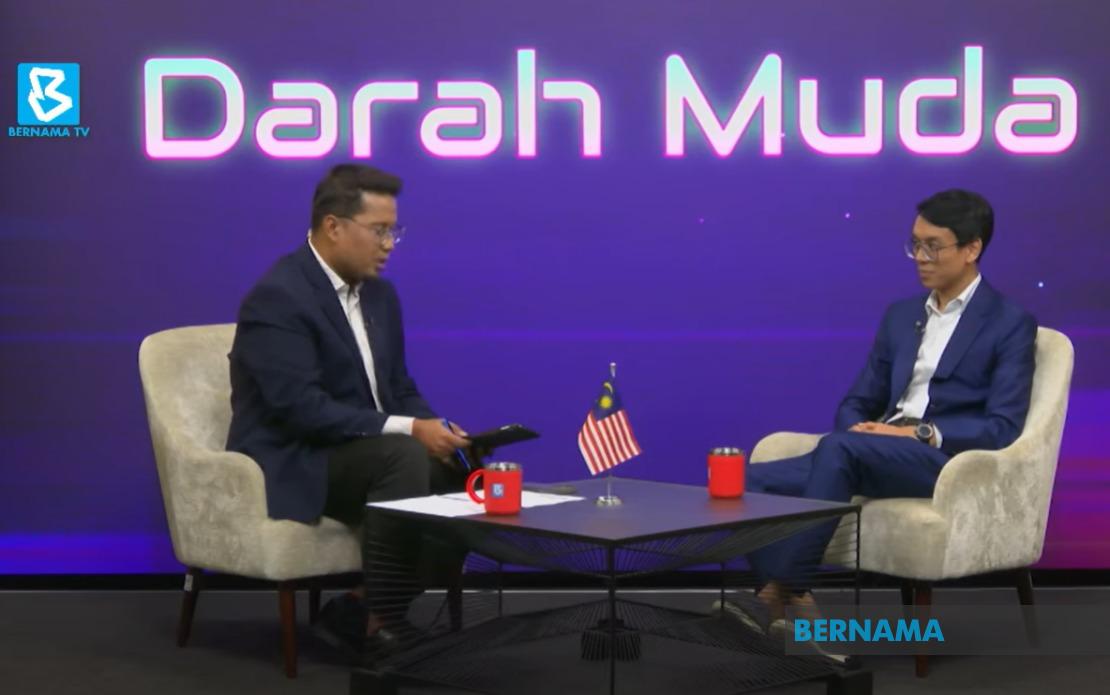
The path forward for Lembaga Tabung Haji depends fundamentally on installing robust governance frameworks and recruiting leadership with genuine financial expertise, according to IKRAM Malaysia Economic Agenda Team data analyst Mohamad Ikmal Ahmad Nordin. Speaking to media on August 14, he emphasized that while the institution has undergone recovery efforts, systemic weaknesses revealed in the Royal Commission of Inquiry report demand comprehensive examination of underlying causes rather than surface-level fixes.
The institution's dual role as both a religious and financial entity has created structural challenges that contributed to its difficulties, Mohamad Ikmal argued. Tabung Haji operates across vastly different domains—managing the logistics and spiritual aspects of Hajj pilgrimage whilst simultaneously overseeing substantial investment portfolios and managing depositor funds. This complexity requires leadership capable of navigating both realms, yet the organization may have historically prioritized religious credentials over financial acumen when selecting senior management.
Mohamad Ikmal proposed a practical restructuring solution: positioning specialized financial professionals at the helm while delegating religious and Hajj management functions to entities like the Department of Islamic Development Malaysia or the relevant religious ministry. This separation of duties would allow each function to be managed by practitioners with appropriate expertise. Fund managers, accountants, and actuaries—professionals trained in safeguarding and growing capital—should occupy key decision-making positions overseeing Tabung Haji's investment operations and financial strategy.
The governance imperative extends beyond personnel selection to institutional culture and accountability mechanisms. Strengthening oversight systems, implementing transparent reporting standards, and establishing rigorous financial controls would directly protect depositors' interests. For an institution managing savings earmarked for one of Islam's five pillars, the stakes could hardly be higher. Breaches of trust undermine not merely financial security but also the spiritual objectives that justify the institution's existence.
Younger Malaysians represent both the institution's largest growth opportunity and its most vulnerable constituency. Many younger depositors struggle with the steep financial burden of performing Hajj, making accessible saving schemes through Tabung Haji increasingly valuable. Yet confidence in the institution's management directly influences whether young people will entrust their Hajj savings to the organization. Improved governance and forward-thinking leadership could unlock innovative financial products tailored to younger savers' needs—products designed with their constraints and aspirations in mind rather than imposed from above.
Mohamad Ikmal stressed that Tabung Haji must recommit to its foundational purpose: facilitating Hajj performance for Malaysian Muslims across all socioeconomic strata. This refocus should incorporate exploration of new instruments and mechanisms that reduce barriers to Hajj participation. Rather than diversifying into unrelated ventures, the institution should concentrate resources on its core mission whilst managing that mission with world-class financial discipline.
Forensic auditing emerges as a critical accountability tool. Mohamad Ikmal advocated for continuing and expanding forensic examinations of Tabung Haji subsidiaries and related entities to identify precisely which decisions, individuals, and practices generated losses. Partial investigations that address only visible problems while ignoring systemic issues risk repeating the same failures. Comprehensive forensic work establishes accountability, deters misconduct, and reveals whether fund flows benefited particular parties inappropriately—answers essential for rebuilding depositor confidence.
The RCI report itself provides a foundation, yet its recommendations require sustained political will and institutional determination to implement. Appointing capable leadership represents just the beginning; management must receive genuine autonomy to execute strategic decisions without political interference. Tabung Haji's history suggests that political appointments to the board and senior management ranks have sometimes prioritized loyalty over competence, creating an environment where questionable decisions proceeded unchallenged.
Recovery demands patience alongside action. Depositors who lost confidence during the crisis period will not automatically return simply because new leaders take office. Trust develops through consistent demonstration of competence, transparency in operations, and visible progress toward restoring and growing depositors' capital. Regular public reporting on financial performance, investment returns, and governance improvements would signal serious commitment to reform.
For Malaysia's broader financial ecosystem, the Tabung Haji situation carries cautionary lessons. Specialized financial institutions require specialized leadership; religious credentials or political connections cannot substitute for genuine expertise in capital management. Whether examining Tabung Haji, pension funds, or other savings vehicles, the principle remains constant: institutions entrusted with citizens' savings must place financial competence at the apex of their organizational hierarchy.
The younger generation, whom Mohamad Ikmal highlighted as critical stakeholders, possess both motivation and capacity to demand better governance. As digital natives comfortable with transparent information access and performance accountability, younger Malaysians increasingly expect institutions managing their money to demonstrate competence openly. Tabung Haji's future depends on recognizing that this demographic will not accept opaque leadership or mediocre financial stewardship—they will simply save through alternative channels if disappointed.
Moving forward, appointing expert leadership represents not merely an administrative detail but the foundation upon which all other reforms depend. Without capable financial stewards making strategic decisions, governance frameworks become merely decorative. Conversely, expert leadership operating within weak governance structures faces constant pressure to compromise standards. Tabung Haji requires both elements working synergistically: seasoned financial professionals leading the institution within transparent, accountable systems designed to serve depositors faithfully.

