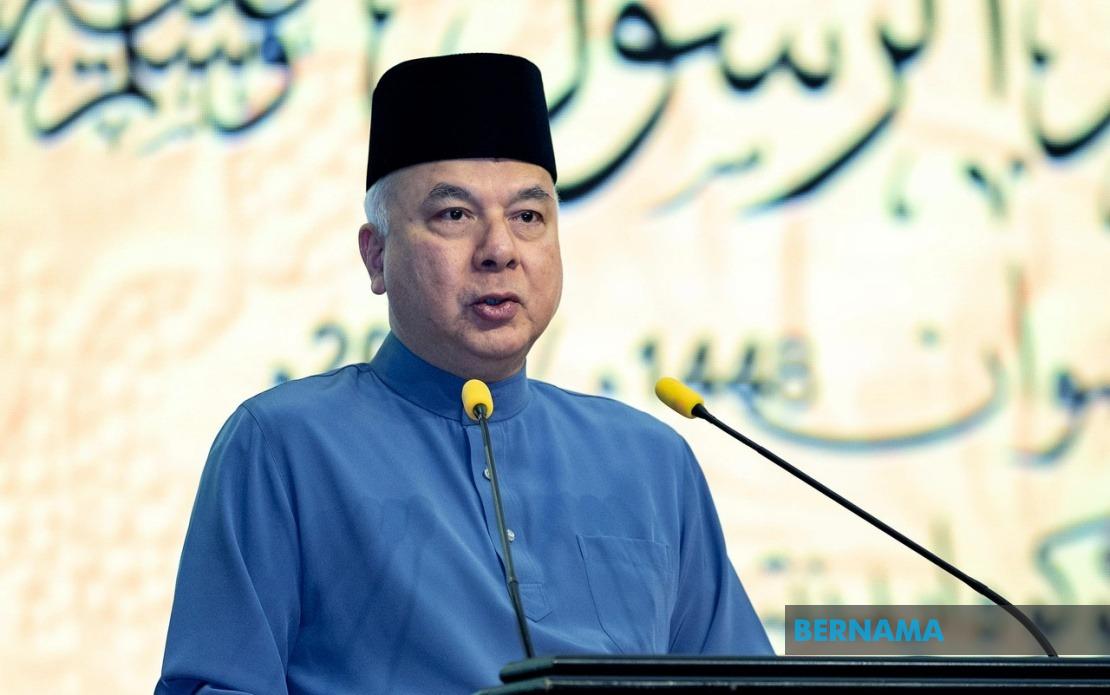
The Sultan of Perak, Sultan Nazrin Shah, has issued a stark warning about the fracturing of Muslim solidarity, identifying a range of contemporary forces threatening the cohesion of the Islamic community across Malaysia and beyond. Delivering his address during Perak's Maulidur Rasul celebration in Ipoh on August 25, Sultan Nazrin articulated a concern that resonates deeply within Southeast Asian Muslim-majority societies grappling with modernisation and pluralism—that the bonds holding Muslims together are being systematically eroded by competing agendas and individual ambitions.
The Sultan identified several interconnected sources of division weakening Muslim unity. Political rivalries, sectarian differences within Islamic jurisprudence, ethnic tensions, and personal interests have all contributed to a deterioration in the spirit of collective brotherhood that traditionally underpinned Islamic communities. These fragmentary forces have gained particular traction as Muslims increasingly pursue markers of status, material wealth, and worldly prestige—dynamics that have become more pronounced in urban Southeast Asian contexts where consumer culture and competitive hierarchies pervade social life. The Sultan's diagnosis suggests that internal Muslim divisions cannot be attributed solely to external pressures, but stem significantly from choices made within the community itself.
A crucial dimension of Sultan Nazrin's message targeted Islamic leadership structures and organised Islamic movements across Perak and Malaysia more broadly. He counselled Muslim leaders and organisations to consciously minimise unnecessary disputes and reduce the intensity of political competition among themselves. This appeal carries particular weight given Malaysia's multi-party political system and the reality that numerous Islamic movements and parties compete for influence, membership, and state resources. Rather than allowing such competition to fragment the Muslim community, Sultan Nazrin advocated that these actors redirect their energy and institutional capacity toward initiatives that would genuinely strengthen Islamic identity and advance the collective wellbeing of the ummah—the global Muslim community.
The Sultan identified specific positive initiatives worthy of expansion and prioritisation, offering a constructive roadmap for Muslim-led efforts in the contemporary era. Islamic economics and finance represent growth areas where Muslim societies can develop alternative institutional frameworks aligned with Shariah principles while demonstrating competitive viability within modern markets. The halal industry, increasingly important to Malaysia's export economy and regional positioning, exemplifies how Islamic principles can generate economic value and global market advantage. Waqf systems—charitable Islamic trusts—offer mechanisms for redistributing wealth and building community infrastructure rooted in Islamic tradition. Digital dakwah, or Islamic outreach through digital platforms and social media, acknowledges that modern Muslims engage primarily through these channels, requiring intentional strategies to convey Islamic teachings in contemporary languages and formats. Strengthening family institutions addresses the micro-level foundations of Muslim identity, recognising that families serve as the primary transmitters of Islamic values across generations. Together, these initiatives suggest a vision where Islamic identity becomes compatible with, rather than resistant to, modernity.
Underlying Sultan Nazrin's address is a sophisticated analysis of the tension between preserving Islamic identity and engaging authentically with contemporary realities. The Sultan acknowledged that Muslims face unprecedented exposure to global influences—international social media platforms, entertainment industries, popular culture, and modern lifestyle options—that shape aspirations, values, and self-perception among younger generations. Rather than condemning these forces outright, Sultan Nazrin recognised their inevitability within an interconnected world. His response, however, emphasised the necessity of developing intelligent strategies and wise approaches that would enable Muslims to benefit from progress and modernisation without sacrificing their distinctive Islamic identity and values.
The Sultan's appeal for balance carries particular relevance for Malaysia, a nation built on constitutional recognition of Islam as a federation-level religion while maintaining plural democratic institutions and multicultural demographics. Malaysian Muslims must navigate distinctive pressures: maintaining Islamic practice and identity within a globalised, secular-influenced marketplace of ideas; participating fully in a competitive, market-driven economy while adhering to Islamic ethical principles; and engaging with non-Muslim communities as equals within a shared political system while preserving their religious distinctiveness. The Sultan's emphasis on preventing modernisation from eroding confidence in Islamic identity speaks directly to this Malaysian experience, where some Muslims perceive globalisation and pluralism as inherently threatening to Islamic practice, while others view them as morally neutral phenomena requiring intelligent cultural responses rather than defensive rejection.
The attendance of high-ranking Perak royal and governmental figures—including the Raja Permaisuri, Raja Muda, and Perak Menteri Besar Saarani Mohamad—underscored the institutional weight behind these messages. The Maulidur Rasul occasion itself, commemorating the Prophet Muhammad's birth, provided appropriate context for emphasising Islamic identity renewal and community cohesion. By delivering this message during a significant Islamic observance, Sultan Nazrin positioned his call for unity and modern Islamic engagement as rooted in foundational Islamic values rather than as a departure from tradition.
The Sultan's framing of Muslim unity as something requiring active maintenance and deliberate renewal acknowledges contemporary realities that earlier Islamic societies did not confront. Traditional Islamic communities enjoyed greater cultural homogeneity, less exposure to competing worldviews, and institutional structures that more naturally reinforced group cohesion. Contemporary Malaysian Muslims and broader Southeast Asian Islamic communities operate in pluralistic, high-information environments where Islamic identity must compete for attention and commitment against numerous alternatives. This makes leadership calls for unity and identity renewal not optional extras but essential components of sustaining Islamic practice across generations.
Sultan Nazrin's distinction between destructive competition and productive collaboration offers a potential framework for resolving tensions that have historically fragmented Muslim-majority societies. By suggesting that political differences need not preclude Islamic cooperation on shared objectives, he proposed a model where Malaysian Muslims might maintain plural political identities while pursuing consensus on broader Islamic institutional development. This approach acknowledges that diversity of political opinion likely reflects legitimate differences in how Muslims interpret public interest, without requiring that such disagreements translate into broader communal fragmentation or mutual delegitimation.
Looking forward, the Sultan's address raises significant questions for Malaysian Islamic institutions and policymaking. How might government religious agencies, Islamic universities, and organised Islamic movements operationalise his vision of expanded Islamic economics, digital dakwah, and family strengthening? What institutional reforms might reduce unnecessary doctrinal disputes while preserving legitimate scholarly disagreement? How should Malaysian Muslims engage globalised consumer culture—through prohibition and separation, or through intelligent adaptation and theological reasoning? These questions will substantially shape how Malaysian Islam evolves across the coming decade, determining whether the community can sustain and transmit Islamic identity effectively while fully participating in modern economic, social, and intellectual life.

