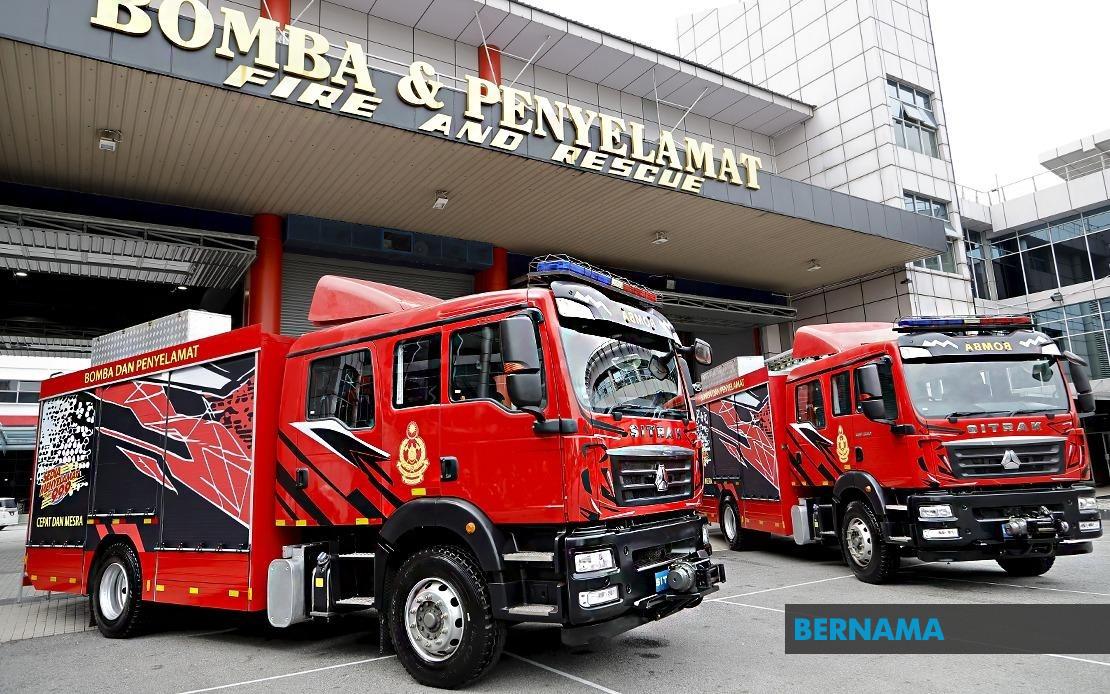
A moderate earthquake centred off the coast of North Sumatra prompted swift emergency responses across Malaysia's Klang Valley region on July 22, with the Fire and Rescue Department receiving multiple reports of tremors felt in commercial and administrative buildings. The quake, which registered 5.7 on the Richter scale with its epicentre approximately 55 kilometres southwest of Langsa, Indonesia, struck at 12.18 pm local time, sending aftershocks through structures across the Selangor metropolitan area and triggering a cascade of precautionary evacuations and safety checks.
The first emergency call reached Selangor's Fire and Rescue Department at 12.31 pm, alerting responders to tremors detected at the Kajang Municipal Council building. Just nine minutes later, at 12.40 pm, the department received a second report from INTI International College Subang located along Jalan SS15, indicating that occupants there had also felt significant movement. Response teams deployed from both the Kajang and Subang Jaya stations conducted comprehensive structural inspections of both facilities, focusing on identifying any potential cracks or damage that might compromise the buildings' integrity. Following thorough examination by trained fire and rescue personnel, both locations were cleared for continued occupation, with inspectors finding no visible structural compromise or safety hazards.
A third incident unfolded simultaneously in the Bandar Tasik Selatan area when emergency dispatchers received a call at 12.32 pm reporting tremors at Menara B2 Maju Link along Jalan Lingkaran Tengah 2. The alarm prompted the deployment of a team from the Sungai Besi fire station, who arrived to discover that building occupants had already initiated self-evacuation procedures in response to the sustained tremors. Witnesses reported that the ground motion persisted for approximately 15 seconds, sufficient duration for most workers to recognise the phenomenon as an earthquake and seek safer positions away from potential falling debris or structural hazards. Upon arrival, rescue personnel again conducted detailed structural assessments, ultimately confirming that the building remained structurally sound with no cracks, damage, or safety concerns preventing normal operations.
Beyond the formal emergency response, the earthquake triggered widespread discussion across social media platforms, particularly on Threads, where residents throughout the Shah Alam and surrounding areas shared real-time accounts of their experiences. Many users described moments of uncertainty as they attempted to determine whether the tremors they felt represented genuine seismic activity or other phenomena such as heavy vehicles passing nearby or construction-related vibrations. The social media response illustrated how earthquakes originating from distant locations can still generate sufficient ground movement to be distinctly felt across a region, creating public awareness and prompting conversations about preparedness even when structural damage does not materialise.
One Threads user identified as 'nabilaishah', located in Section 26, posted briefly about the tremors before conditions normalised within minutes. Another user, 'nadiaxzailan', recounted how she initially dismissed the vibrations as her imagination while concentrating on work tasks until she consulted colleagues and confirmed through social media interactions that an actual earthquake had occurred. Such accounts highlight the psychological experience of minor seismic events, where individuals in different states of focus or awareness may interpret ground motion differently, only seeking external confirmation when prompted by peer discussion or official announcements. This dynamic underscores the importance of rapid public communication from authorities, as it can reduce anxiety and prevent unnecessary panic during seismic events.
The response from Malaysia's Fire and Rescue Department demonstrates the systematic protocols established for managing earthquake-related emergencies at the national level. The coordination between multiple stations, the rapid deployment of inspection teams, and the thorough structural assessments represent standard operating procedures designed to prioritise public safety while preventing overreaction. Selangor's assistant director of operations, Ashrul Riezal Asbar, confirmed the details of each response, emphasising that despite the geographic distance between the epicentre and Malaysia, structures across the region were assessed and declared safe. This transparent communication approach helps maintain public confidence in emergency management systems and provides reassurance that building codes and construction standards are adequate to withstand the seismic forces to which the region may be subjected.
For Malaysian infrastructure owners and facilities managers, the incident serves as a practical reminder of the importance of regular structural maintenance and safety compliance. Although Malaysia sits outside the most active seismic zones of Southeast Asia, the region's proximity to the Pacific Ring of Fire means that distant earthquakes will occasionally be felt across the peninsula. Buildings must meet established construction standards that account for such possibilities, and personnel should maintain familiarity with basic earthquake safety protocols including identifying safe areas within structures and understanding evacuation procedures. The quick response and confirmation that buildings were safe suggests that current infrastructure standards are functioning as intended, though ongoing vigilance remains necessary.
The Sumatra earthquake, though originating hundreds of kilometres away, demonstrated the interconnected nature of seismic activity across the broader Southeast Asian region. North Sumatra sits along major fault lines where the Indo-Australian Plate subducts beneath the Eurasian Plate, creating conditions for regular seismic activity of varying magnitudes. Events of this scale, while noticeable to occupants of tall buildings or persons in quiet environments, typically do not cause significant structural damage in well-constructed modern facilities at Malaysia's distance from the epicentre. Nevertheless, each occurrence provides an opportunity for communities to test their emergency response systems and reinforce public awareness about earthquake preparedness, factors that contribute to long-term resilience in seismically active regions throughout Asia.
The incident concluded without reported injuries or property damage, reflecting both the moderate magnitude of the earthquake and the effectiveness of Malaysia's emergency management infrastructure. Building occupants who had evacuated were able to return to their workplaces once safety clearances were issued, minimising disruption to commercial and administrative operations. The absence of panic and the orderly nature of the evacuations, particularly at Menara B2 Maju Link where occupants self-evacuated as a precaution, suggest that public awareness of basic earthquake safety measures is reasonably well-established among Malaysia's urban population. As the region continues to experience occasional seismic disturbances originating from distant sources, maintaining these standards of preparedness and response capability will remain important for ensuring public safety and maintaining confidence in the built environment.

