August may traditionally bring quieter trading conditions, yet global financial markets show no sign of taking a breather. Instead, a convergence of critical economic announcements, central bank decisions, and geopolitical developments are set to dominate trading floors from Tokyo to London to New York. Currency traders, inflation watchers, and oil markets all face significant catalysts that could reshape near-term expectations and shift monetary policy trajectories across multiple regions.
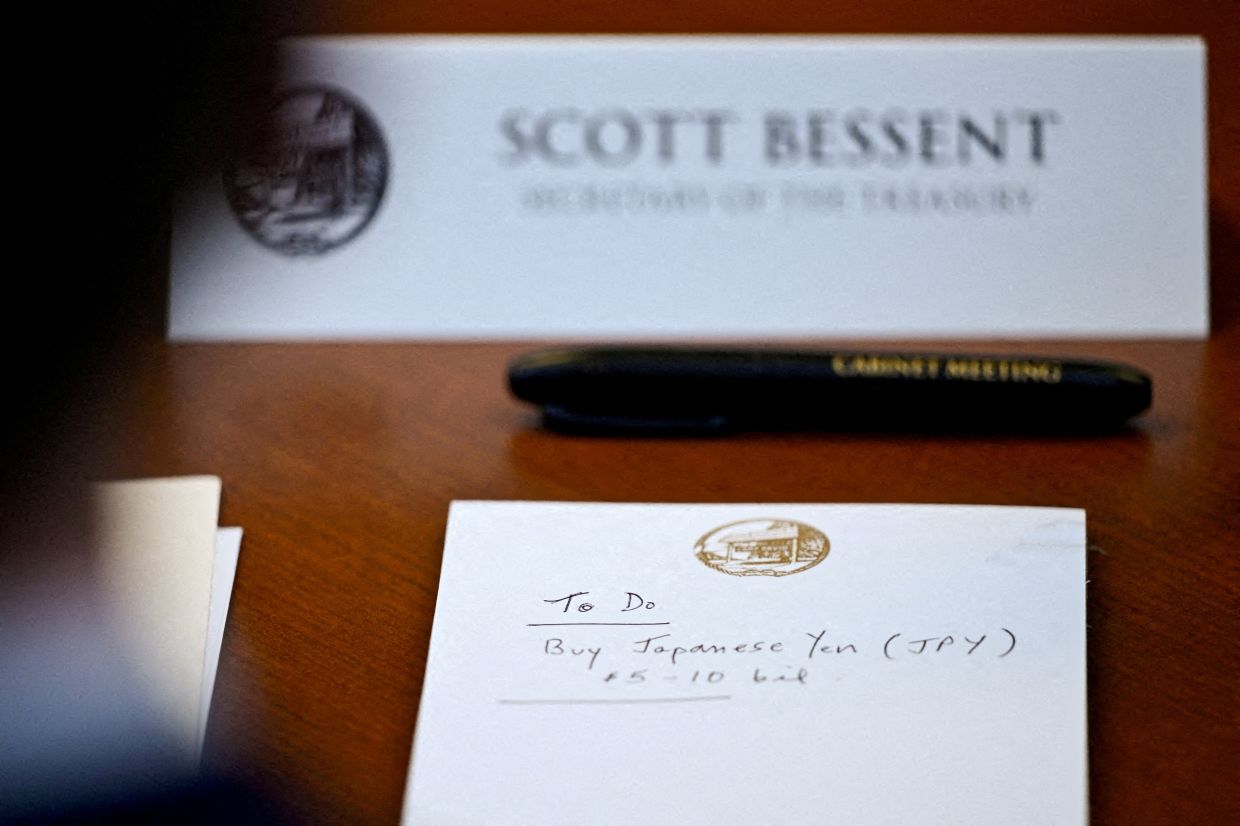
The Japanese yen's struggle to recover from four-decade lows remains perhaps the most pressing concern for policymakers in Tokyo. When a currency weakens so dramatically against its trading partners, the consequences ripple through an economy heavily dependent on imported energy and raw materials. The recent appearance of U.S. Treasury Secretary Scott Bessent's "to-do" list, which explicitly mentioned yen purchases, coupled with a rare coordinated intervention between Washington and Tokyo, has provided some relief to markets. However, the underlying question persists: will this currency support hold, or are deeper structural changes required? FX traders will be scrutinising the Bank of Japan closely for any signals that a rate increase might come as early as September. Minutes from July's monetary policy meeting, released at the start of the week, have strengthened the case for such a move. Beyond the immediate yen question, financial analysts are debating the strategic choice to use euros rather than dollars in the joint intervention effort. Some observers interpret this as a warning sign: the U.S. Treasury may be concerned that if foreign central banks sold American government bonds to fund currency operations, it could destabilise already fragile debt markets and undermine the dollar's long-standing status as the world's reserve currency.
Simultaneously, the possibility of an interim agreement between Iran and Oman regarding control of the Strait of Hormuz has captured investor attention, though with far more caution than enthusiasm. Now entering its 24th week, the Gulf conflict continues to threaten one of the world's most critical shipping passages. Yemen's Iranian-backed Houthi militias have launched repeated attacks on Saudi Arabian targets and international tankers transiting the Red Sea, another vital corridor for oil exports. Neither Oman nor Iran has indicated that the United States has signed off on any emerging deal, adding uncertainty to whether such arrangements could endure. Markets are pricing in modest expectations for success, recognising that previous attempts to stabilise the region have proven fragile. Yet from Washington's perspective, any agreement—even one that serves mainly as a temporary stop-gap measure—carries political weight. With fewer than five months remaining until important domestic elections, the American administration faces voter pressure over fuel costs, with gasoline prices stubornly holding above four dollars per gallon. Although inflation has not spiralled as badly as feared, consumer concerns about energy costs remain a political vulnerability.
The economic calendar brings equal urgency with a series of inflation reports due this week. U.S. consumer price index figures, expected Wednesday, will provide the Federal Reserve with crucial data at a moment when policy decisions have become genuinely uncertain. A hotter-than-expected inflation reading arriving on the heels of last week's surprise jobs losses would place the Fed in an uncomfortable position. Previous month's CPI and producer price data both came in softer than anticipated, yet inflation still sits above the Federal Reserve's 2 percent target. Economists surveyed by Reuters anticipate July's consumer price index rose 3.4 percent annually, with core inflation—excluding volatile food and energy components—forecast at 2.5 percent. Producer price data the following day will round out the inflation picture. Markets are currently pricing in approximately 40 percent probability of a rate increase at the Fed's September meeting, though these odds could shift meaningfully depending on Wednesday and Thursday's releases. Retail sales figures arriving August 14th will complete a particularly busy week for U.S. economic releases.
Meanwhile, other central banks face their own policy inflection points. Australia's Reserve Bank holds its meeting Tuesday amid deliberations over whether the three rate increases implemented so far this year have sufficiently dampened inflation pressures. Recent data showed consumer prices rising at a slower pace during the June quarter, yet RBA Governor Michele Bullock signalled the bank remains prepared to hike further if circumstances demand. Most analysts expect the board to maintain its hawkish positioning rather than signal an imminent pause. Norway's Norges Bank, meeting Thursday, faces similar calculations after core inflation moderated in June, yet most expect it too will hold its policy rate steady while preserving the option to tighten further.
In Britain, new Prime Minister Andy Burnham will be watching Thursday's GDP release with particular interest, as the figures cover both the second quarter and the monthly data for June. June's retail sales proved unexpectedly robust, boosted by spending associated with the football World Cup and unseasonably warm weather. Lower energy prices during that month, a temporary benefit from the short-lived U.S.-Iran agreement, may have further supported activity. However, the quarterly number could disappoint, as the strong momentum accumulated through the first three months of the year visibly lost traction during April and May. Burnham, who assumed office in July, may draw some comfort from the euro zone's performance: preliminary data showed the European economy expanded faster than anticipated in the second quarter, with an updated estimate also due Thursday.
These developments carry particular significance for Southeast Asian markets and economies. A yen recovery would reduce deflationary pressure on regional exporters who compete with Japanese manufacturers. Conversely, persistent yen weakness could encourage further Japanese investment flows into the region seeking higher returns. Any disruption to Strait of Hormuz shipping would immediately affect oil prices and energy security across Malaysia, Singapore, and other regional economies dependent on reliable energy imports. For Australia's part, its monetary policy stance influences capital flows and lending conditions throughout the region, while a resilient or struggling British economy affects broader global growth expectations upon which regional exporters depend. The inflationary picture in the United States matters equally, as it determines whether American consumers retain purchasing power for regional goods and whether the Federal Reserve maintains its restrictive stance, which has elevated borrowing costs globally. These interconnected developments underscore why August, despite its reputation for quieter markets, presents a full agenda of consequential decisions that could reshape risk appetite and asset allocations for months ahead.

