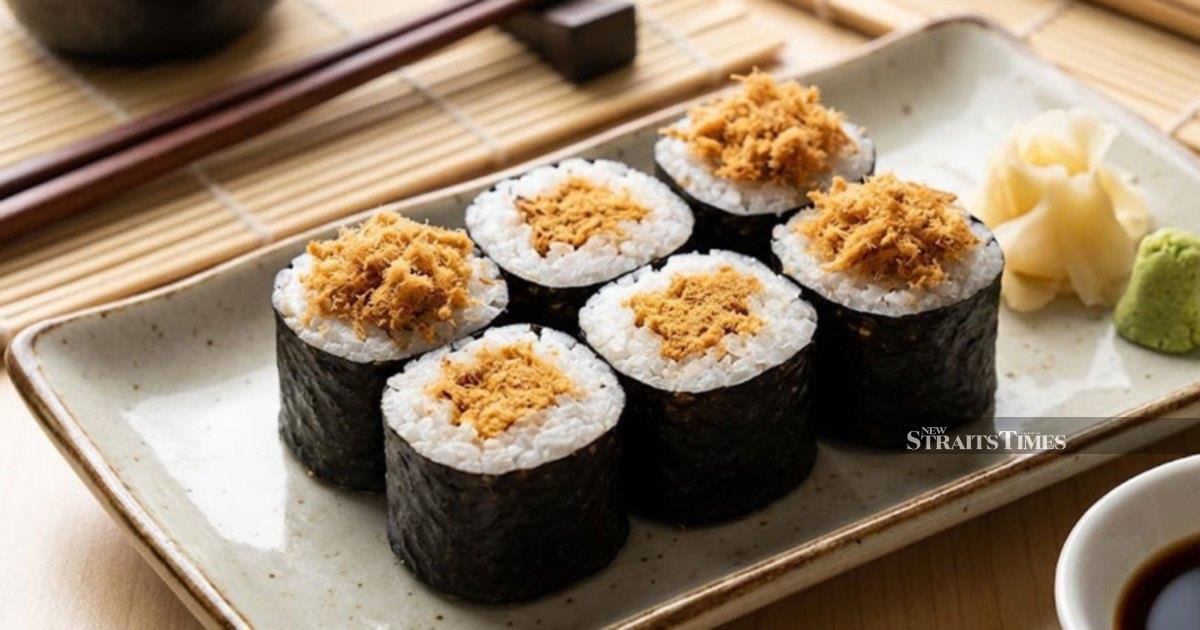
A trader in Setiu has been ordered to pay RM700 in fines after admitting in magistrate's court to selling sushi that contained harmful bacteria at a Ramadan bazaar. The case underscores persistent food safety challenges during the Islamic holy month, when temporary food establishments mushroom across towns and cities to serve fasting consumers seeking to break their daily fast.
The trader's guilty plea marks another instance of contaminated food products reaching consumers during what should be a time of heightened culinary vigilance. Ramadan bazaars, traditionally vibrant hubs of commerce and community gathering, have become increasingly scrutinised by health authorities concerned about the proliferation of unregulated food handlers and inadequate storage conditions. The bacterial contamination discovered in the sushi sold at this bazaar exemplifies the risks posed when vendors lack proper refrigeration, hygiene training, or food safety certifications.
Sushi, being a raw or minimally processed seafood product, requires particularly stringent handling protocols to prevent bacterial growth and foodborne illness outbreaks. The contamination detected in this case likely involved pathogens commonly associated with improper seafood storage, such as Listeria monocytogenes, Vibrio species, or Salmonella. Such bacteria can cause severe gastrointestinal distress, particularly among vulnerable populations including young children, elderly individuals, and those with compromised immune systems.
Malaysia's food safety framework places responsibility on vendors to maintain hygiene standards throughout preparation, storage, and sale. The RM700 fine, while modest relative to potential public health consequences, serves as a deterrent and reinforces regulatory expectations. However, enforcement remains inconsistent across different states and municipalities, with many Ramadan bazaars operating under minimal supervision due to resource constraints within local health departments.
The incident raises questions about accountability mechanisms for temporary food operators during Ramadan. Unlike permanent food establishments subject to regular inspections and licensing requirements, bazaar vendors often operate with minimal documentation or prior health screening. Many are part-time sellers seeking supplementary income during the festive season, and may lack comprehensive understanding of food safety principles or access to proper equipment and facilities.
For Malaysian consumers, particularly those observing Ramadan fasts, the case serves as a reminder of potential risks associated with consuming ready-to-eat items from informal vendors. While many bazaar operators maintain high standards, the absence of systematic quality assurance creates uncertainty. Families planning to purchase prepared foods should inquire about vendors' food handling practices, check storage conditions, and be cautious of items that appear discoloured, have unusual odours, or lack clear preparation dates.
State health authorities have intensified surveillance during Ramadan in recent years, with special task forces conducting spot checks and collecting samples for laboratory testing. However, the sheer volume of temporary establishments makes comprehensive monitoring logistically challenging. Some states have introduced registration systems requiring vendors to obtain temporary food operation permits, though implementation varies widely and enforcement remains selective in many areas.
The incident also reflects broader consumer behaviour during Ramadan, where purchasing decisions often prioritise convenience and price over safety verification. Bazaars' festive atmosphere and social appeal can inadvertently lower consumers' vigilance regarding food quality. Many patrons assume that because foods are sold in crowds or by multiple vendors, items have been adequately vetted—an assumption that can prove dangerous.
Looking forward, strengthening food safety during Ramadan requires multifaceted approaches. Health authorities should expand pre-Ramadan briefings and training for bazaar operators, emphasising the critical importance of temperature control for raw seafood items. Registration and temporary licensing systems need consistent implementation across all states, with clear penalties for non-compliance. Consumer education campaigns should highlight risks associated with contaminated sushi and other high-risk foods purchased from informal sources.
Technology offers promising solutions, including rapid testing kits that could allow on-site health inspectors to quickly identify contamination. Some state governments have begun exploring blockchain-based traceability systems for bazaar food sources, though widespread adoption remains limited. Greater investment in portable refrigeration units specifically designed for bazaar vendors could significantly reduce contamination risks during the increasingly hot months when Ramadan occurs.
The Setiu case also underscores the importance of public reporting mechanisms. Consumers who suspect food contamination should immediately contact their local health department, providing details about the vendor, bazaar location, and symptoms experienced. Such reports create crucial data trails helping authorities identify persistent violators and target enforcement efforts more effectively.
As Malaysia continues celebrating Ramadan traditions, this incident serves as a sobering reminder that festive shopping need not compromise personal health. Consumers, vendors, and regulators all bear responsibility for maintaining the bazaar experience as both culturally meaningful and genuinely safe. The RM700 penalty, while a consequence for this particular trader, represents merely a starting point in the broader effort to elevate food safety standards during the holy month and beyond.

