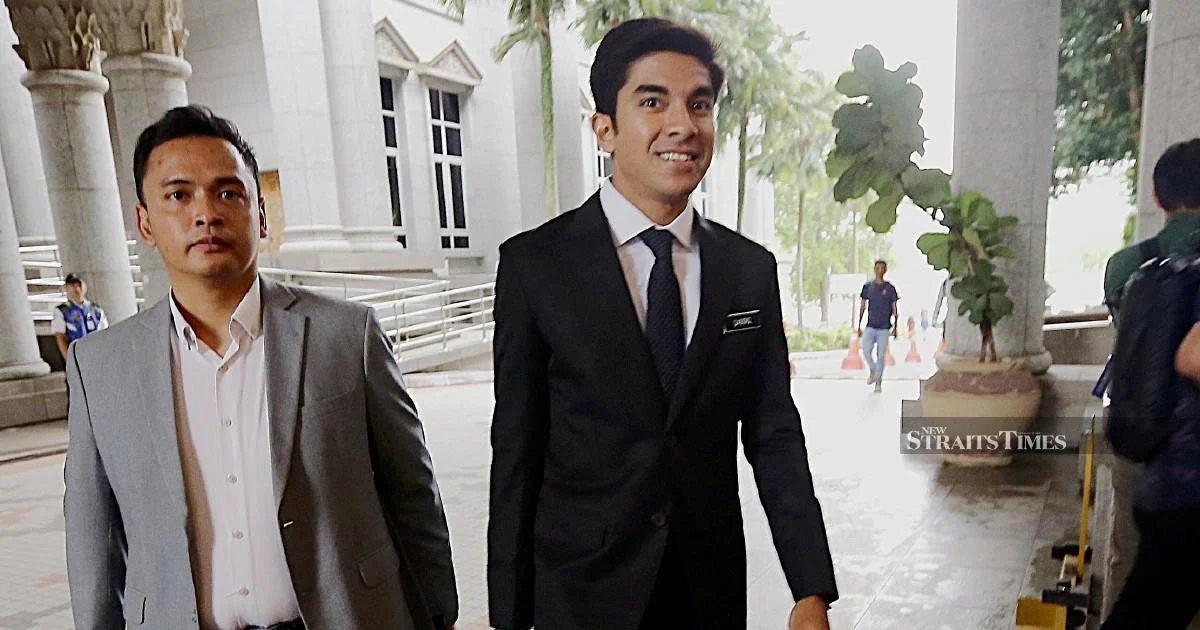
Amir Fiqri, known widely as Amir Jack, is set to represent Muda in the Maharani state constituency during the upcoming Johor state election, marking his entry into electoral politics. The move underscores the younger reformist party's continued expansion in the southern state and its strategic positioning ahead of the polls. As a special officer to Muar member of parliament Syed Saddiq Syed Abdul Rahman, Amir Jack brings insider knowledge of grassroots political operations and legislative dynamics to the campaign.
Muda's decision to field Amir Jack in Maharani reflects the party's broader ambitions to strengthen its presence in Johor, a state traditionally dominated by established coalition partners. The inclusion of Amir Jack as one of four candidates signals that Muda is willing to leverage the networks and credibility of figures connected to higher-profile opposition personalities. His candidacy may capitalize on voter sentiment in constituencies seeking fresh alternatives to the incumbent political establishment, though Maharani itself remains a closely watched battleground.
The Maharani seat carries particular symbolic weight within Johor's electoral landscape. As a state constituency located within the broader Johor framework, its outcome will offer insight into shifting voter preferences and whether younger, reform-minded candidates can gain traction against entrenched competitors. Amir Jack's background as a political aide positions him as someone familiar with constituent services and legislative advocacy, though he will need to build his own personal brand and direct relationship with voters.
Syed Saddiq himself has been instrumental in shaping Muda's trajectory since the party's formation, and his support base in Muar provides a template that younger colleagues within the party seek to replicate in other constituencies. The distinction between serving as an aide and standing as a candidate represents a significant professional transition; political officers who move into electoral contest must demonstrate they can connect independently with voters rather than merely benefiting from their employer's visibility.
Muda's four-candidate slate in the Johor election reflects the party's resource allocation and strategic focus within the state. Rather than attempting to field candidates across every available seat, the party is concentrating its efforts on select constituencies where it believes it possesses competitive advantage or where party machinery is sufficiently developed. This targeted approach is common among newer parties with limited organizational infrastructure and financial resources compared to established entities.
The timing of Amir Jack's candidacy announcement occurs within a broader context of political realignment in Johor. The state has experienced significant shifts in allegiance among both voters and political organizations over recent years, creating openings for parties willing to present coherent policy platforms and fresh faces unburdened by decades of accumulated political baggage. Whether Muda can capitalize on this volatility depends partly on candidate selection and partly on the party's ability to execute ground-level campaigning.
For Malaysian readers monitoring Johor's political trajectory, Amir Jack's entry into the Maharani race exemplifies how younger party structures are attempting to build electoral viability through disciplined candidate selection. Rather than parachuting in external celebrity figures, Muda is promoting individuals with demonstrated track records within the party ecosystem. This approach carries both advantages—proven loyalty and understanding of party ideology—and potential drawbacks, as candidates must overcome perceptions of being network appointees rather than independently earned champions.
The Southeast Asian context matters here as well. Across the region, reformist and centrist parties have struggled to sustain electoral momentum once initial enthusiasm wanes. Muda's performance in the Johor election will provide data points for observers assessing whether the party can evolve from its status as a boutique political force into a genuine competitor capable of winning and retaining seats across multiple electoral cycles.
Amir Jack's position as special officer to Syed Saddiq gives him institutional familiarity with parliamentary operations and constituent relations. These skills, while valuable, do not automatically translate into winning electoral contests, which demand the ability to mobilize supporters, articulate compelling local narratives, and outmaneuver opponents in competitive environments. His success in Maharani will depend on his personal effort and charisma as much as on party support structures.
The four-candidate framework also suggests Muda has identified specific constituencies where party leadership believes victory or strong performance is achievable. Concentration of resources and messaging around four races allows the party to develop localized campaigns and deploy senior figures in support roles. Conversely, it means Muda will be largely absent from many other Johor constituencies, ceding ground to competitors by default.
As the Johor state election draws closer, Amir Jack represents the type of mid-level political figure increasingly visible across Malaysia's opposition landscape. These individuals typically combine technical competence with commitment to reformist principles, yet lack the name recognition of senior politicians. Their viability as candidates hinges on whether voters are willing to experiment with candidates from newer, smaller parties or whether they remain anchored to traditional political anchors.
%22%2F%3E%3C%2Fpattern%3E%3C%2Fdefs%3E%3Crect%20width%3D%22100%25%22%20height%3D%22100%25%22%20fill%3D%22url(%23ph24037g)%22%2F%3E%3Crect%20width%3D%22100%25%22%20height%3D%22100%25%22%20fill%3D%22url(%23ph24037p)%22%2F%3E%3Ctext%20x%3D%2250%25%22%20y%3D%2250%25%22%20text-anchor%3D%22middle%22%20dominant-baseline%3D%22central%22%20fill%3D%22rgba(255%2C255%2C255%2C0.95)%22%20font-family%3D%22Georgia%2C%20'Times%20New%20Roman'%2C%20serif%22%20font-weight%3D%22700%22%20font-size%3D%22320%22%20letter-spacing%3D%22-0.02em%22%3EIran%3C%2Ftext%3E%3C%2Fsvg%3E)
%22%2F%3E%3C%2Fpattern%3E%3C%2Fdefs%3E%3Crect%20width%3D%22100%25%22%20height%3D%22100%25%22%20fill%3D%22url(%23ph1r7fsg)%22%2F%3E%3Crect%20width%3D%22100%25%22%20height%3D%22100%25%22%20fill%3D%22url(%23ph1r7fsp)%22%2F%3E%3Ctext%20x%3D%2250%25%22%20y%3D%2250%25%22%20text-anchor%3D%22middle%22%20dominant-baseline%3D%22central%22%20fill%3D%22rgba(255%2C255%2C255%2C0.95)%22%20font-family%3D%22Georgia%2C%20'Times%20New%20Roman'%2C%20serif%22%20font-weight%3D%22700%22%20font-size%3D%22320%22%20letter-spacing%3D%22-0.02em%22%3EIran%3C%2Ftext%3E%3C%2Fsvg%3E)