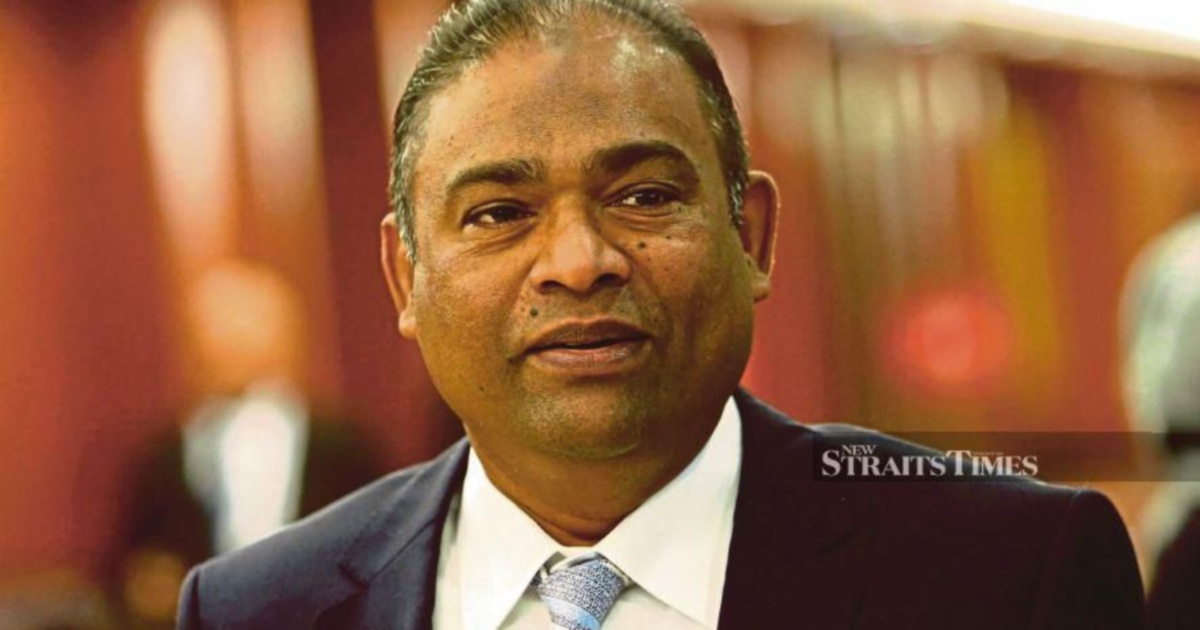
The family of Datuk Seri Abdul Azeez Abdul Rahim, who stepped down as chairman of Tabung Haji, has moved to dispel reports suggesting the former executive was taken into custody by the Malaysian Anti-Corruption Commission. Mohamed Khairul Azman, speaking on behalf of his family, issued a statement clarifying that no such arrest occurred, addressing what appears to have been widespread misunderstanding about his father's current situation with the anti-graft agency.
The clarification comes at a time when Tabung Haji, the sovereign wealth fund managing pilgrimage savings for Malaysian Muslims, remains under intense scrutiny over governance and financial management concerns. The hajj fund has faced mounting pressure in recent months as questions about administrative practices and accountability mechanisms have intensified. The timing of the family's statement suggests that confusion about Abdul Azeez's legal position could have broader implications for public perception of the institution he once led.
Datuk Seri Abdul Azeez's tenure as chairman of Tabung Haji was marked by significant challenges for the organisation, which holds assets exceeding RM70 billion and serves millions of Malaysian Muslims saving for their pilgrimage to Mecca. His departure from the role represented a pivotal moment in the fund's recent history, coinciding with growing calls from stakeholders and government officials for improved transparency and stricter oversight of the institution's operations.
The distinction between being arrested and being questioned by the Malaysian Anti-Corruption Commission carries substantial weight in Malaysian legal and public discourse. Individuals can be summoned for interviews or investigations without formal arrest, a procedural nuance that appears to lie at the heart of the current confusion. The family's emphatic denial suggests that Abdul Azeez may have been cooperating with MACC inquiries but had not been formally taken into custody or charged with any offence.
The Malaysian Anti-Corruption Commission has been increasingly active in investigating high-profile financial institutions and their leadership, reflecting broader government commitments to combat corporate malfeasance and mismanagement. The agency's work has intersected with various state-linked enterprises and fund managers, with several investigations capturing public and media attention. In this context, any inquiry involving a former chairman of a major institution naturally draws scrutiny and speculation.
Tabung Haji itself has undergone significant institutional changes in recent years, including restructuring initiatives aimed at restoring confidence among its contributors. The fund's leadership transition and the questions surrounding its management have made it a focal point for discussions about governance standards across Malaysia's sovereign wealth landscape. For the roughly eight million Malaysians who have invested in the fund, such clarifications about the legal status of its former stewards carry weight.
The clarification from Mohamed Khairul Azman comes amid broader public interest in how Malaysian institutions handle accountability matters and how they communicate with their stakeholders during periods of investigation or governance transitions. Media coverage of high-profile figures facing scrutiny often generates confusion between different legal processes—from voluntary interviews to formal interrogations to arrests. This incident underscores how critical precision in public communication becomes when reputational stakes are high.
For Malaysian investors and hajj contributors, the distinction matters because it affects their perception of institutional stability and leadership accountability. Understanding what actually occurred in interactions between former executives and enforcement agencies helps the public assess whether their savings are being managed responsibly and whether governance issues are being properly addressed. The family's swift denial reflects awareness of how such uncertainty can impact not just personal reputation but also broader confidence in the institution.
The statement also highlights the importance of clear, timely communication from both government agencies and the families of individuals under investigation. When authorities conduct inquiries into high-profile figures, clarity from all parties helps prevent misinformation from taking root. In Malaysia's media environment, where news travels rapidly across social platforms, initial reports can quickly become accepted as fact unless promptly corrected by credible sources.

