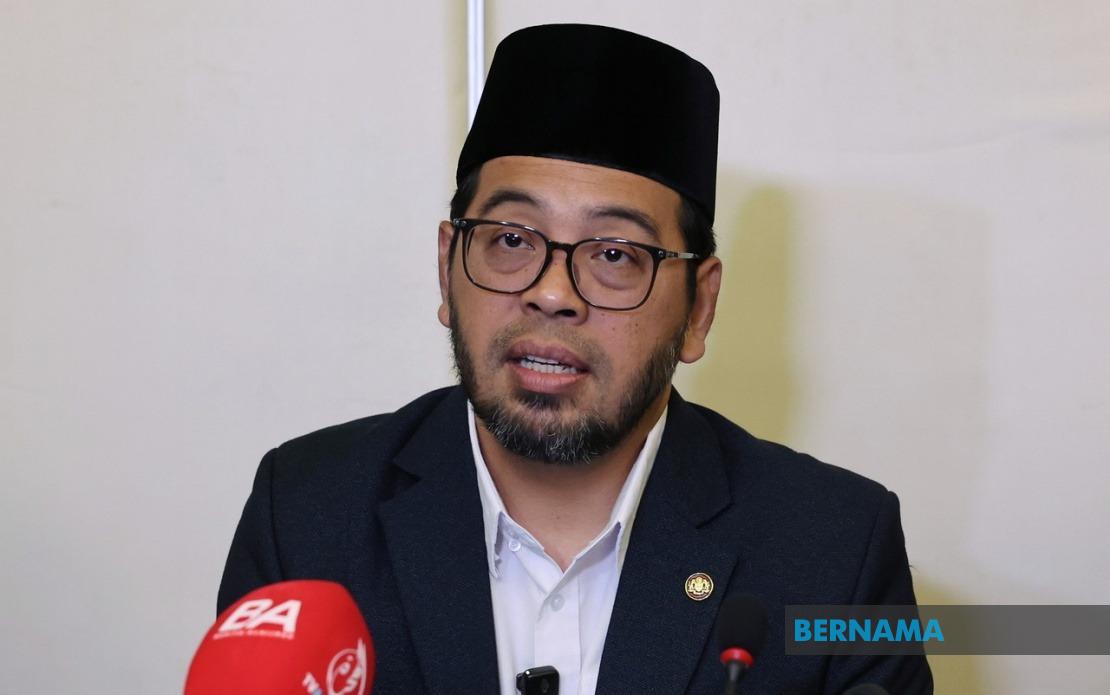
Religious Affairs Minister Dr Zulkifli Hasan declared that Tabung Haji has emerged from recovery efforts in a substantially improved financial and operational position, marking a significant milestone for the institution that manages Malaysia's pilgrim fund. Speaking during a special Parliament sitting held to discuss the Royal Commission of Inquiry findings, Zulkifli emphasised that the hajj management body had successfully addressed deep structural challenges that had plagued the organisation for years.
When the MADANI Government assumed power at the close of 2022, Tabung Haji faced considerable difficulties stemming from problematic legacy assets that had accumulated since 2018. These underperforming holdings had dragged on the institution's overall financial health and operational efficiency. Rather than rushing into public disclosure, the government granted Tabung Haji the necessary breathing room to implement comprehensive reforms and restructure its operations without external pressure, allowing management to focus on rebuilding investor confidence from the ground up.
The decision to delay public reporting proved strategic. With the institution now stabilised, the government moved forward in late July to declassify the Royal Commission of Inquiry report and table it for parliamentary debate in a special sitting. This transparency shift signals renewed confidence in Tabung Haji's trajectory and management's ability to withstand scrutiny. The 211-page RCI report, which examined operations between 2014 and 2020, contained 25 recommendations for systemic improvement. By the time of release, 75 percent of these recommendations had already been implemented, with remaining measures actively underway.
Tabung Haji's operational excellence has garnered international recognition that extends beyond Malaysia's borders. The institution clinched five World's Best Haj Management Awards across four consecutive years, a distinction that underscores the quality of its pilgrim services and financial stewardship. These accolades demonstrate that effective leadership, coupled with institutional integrity and technical competence, can rehabilitate even severely damaged organisations. Zulkifli credited the new management team and supporting stakeholders for orchestrating this turnaround, framing it as vindication of the government's confidence in their capabilities.
However, the recovery narrative comes accompanied by serious accountability measures. The Cabinet's unanimous decision to publicise the RCI findings triggered immediate investigations by the Malaysian Anti-Corruption Commission and police, who have detained several individuals linked to asset misappropriation detailed in the inquiry. This dual-track approach—celebrating recovery while aggressively pursuing those responsible for previous misconduct—reflects the government's commitment to preventing future breaches of fiduciary duty. Zulkifli articulated that enforcement agencies would tolerate no compromise in investigating abuse of power or criminal breach of trust affecting pilgrims' sacred funds.
The stakes surrounding Tabung Haji extend far beyond institutional performance metrics. The organisation holds deposits belonging to ordinary Malaysians from remarkably diverse socioeconomic backgrounds: parents systematically saving for their children's religious journey, teachers preserving retirement security, small traders protecting family assets, and agricultural workers including rubber tappers and farmers. Urban workers such as taxi drivers similarly entrust Tabung Haji with their aspirations. These depositors do not view their contributions primarily as investment vehicles designed to generate maximum returns; rather, they perceive their savings as vehicles enabling them to fulfil the Islamic obligation of performing the Hajj pilgrimage.
This distinction between commercial and spiritual motivations fundamentally reframes how mismanagement or misconduct should be understood and addressed. When breaches of trust occur within such an institution, they damage more than balance sheets—they undermine the religious and cultural aspirations of millions of Malaysian Muslims. Zulkifli stressed that the government cannot merely publish financial recovery data and move forward without addressing the integrity questions raised by the RCI. Doing so would dishonour the sacred nature of pilgrims' contributions and invite further erosion of public confidence in religiously-oriented financial institutions.
The RCI itself represented a substantial institutional commitment. Chaired by former Chief Justice Tun Mohamed Raus Sharif and comprising five experts spanning public administration, banking, finance, Islamic jurisprudence, and accounting, the inquiry was announced in 2021 and formally established in January 2022. This deliberate composition ensured that the investigation brought multidisciplinary rigour to examining operational weaknesses and systemic vulnerabilities. The fact that the inquiry spanned six years of Tabung Haji's operations suggests widespread rather than isolated problems, making the eventual recovery trajectory even more noteworthy.
The government's decision to execute both transparency and enforcement simultaneously reflects the demands of contemporary governance in Malaysia. Publishing the RCI report without initiating criminal investigations might have appeared tokenistic, inviting accusations that those responsible for misconduct operated with impunity. Conversely, launching investigations without explaining findings to the public through parliamentary debate would have fuelled speculation and conspiracy narratives. By coupling disclosure with action, the government attempts to demonstrate that accountability extends throughout institutional hierarchies.
For Malaysian readers and Southeast Asian observers, Tabung Haji's recovery carries broader implications for how Islamic financial institutions navigate scandal and restoration. The case demonstrates that institutional rehabilitation is achievable even after severe reputational damage, provided leadership commits to genuine systemic reform rather than cosmetic adjustments. The international awards validate that international standards for hajj management and pilgrim welfare need not conflict with Islamic principles or Malaysian governance frameworks.
Looking forward, Zulkifli's framing of the recovery emphasises that depositor confidence represents the institution's most valuable asset. All decisions must centre on principles of trust and the expressed interests of those who have entrusted Tabung Haji with their religious aspirations. This philosophy suggests that future governance structures will likely incorporate additional safeguards, enhanced transparency mechanisms, and strengthened oversight arrangements designed to prevent recurrence of the problematic practices documented in the RCI. The minister's invocation of royal decree underscoring comprehensive, transparent investigation "until every stone is turned" indicates that accountability efforts will continue systematically regardless of political considerations or institutional embarrassment.
The Tabung Haji situation thus represents a critical test case for Malaysia's institutional accountability mechanisms and Islamic financial governance standards. As the institution advances from recovery into a consolidation phase, maintaining public trust will require demonstrating not only financial stability but also genuine commitment to the values—trustworthiness, integrity, and stewardship of sacred funds—that originally motivated depositors to entrust their Hajj savings to its safekeeping.

