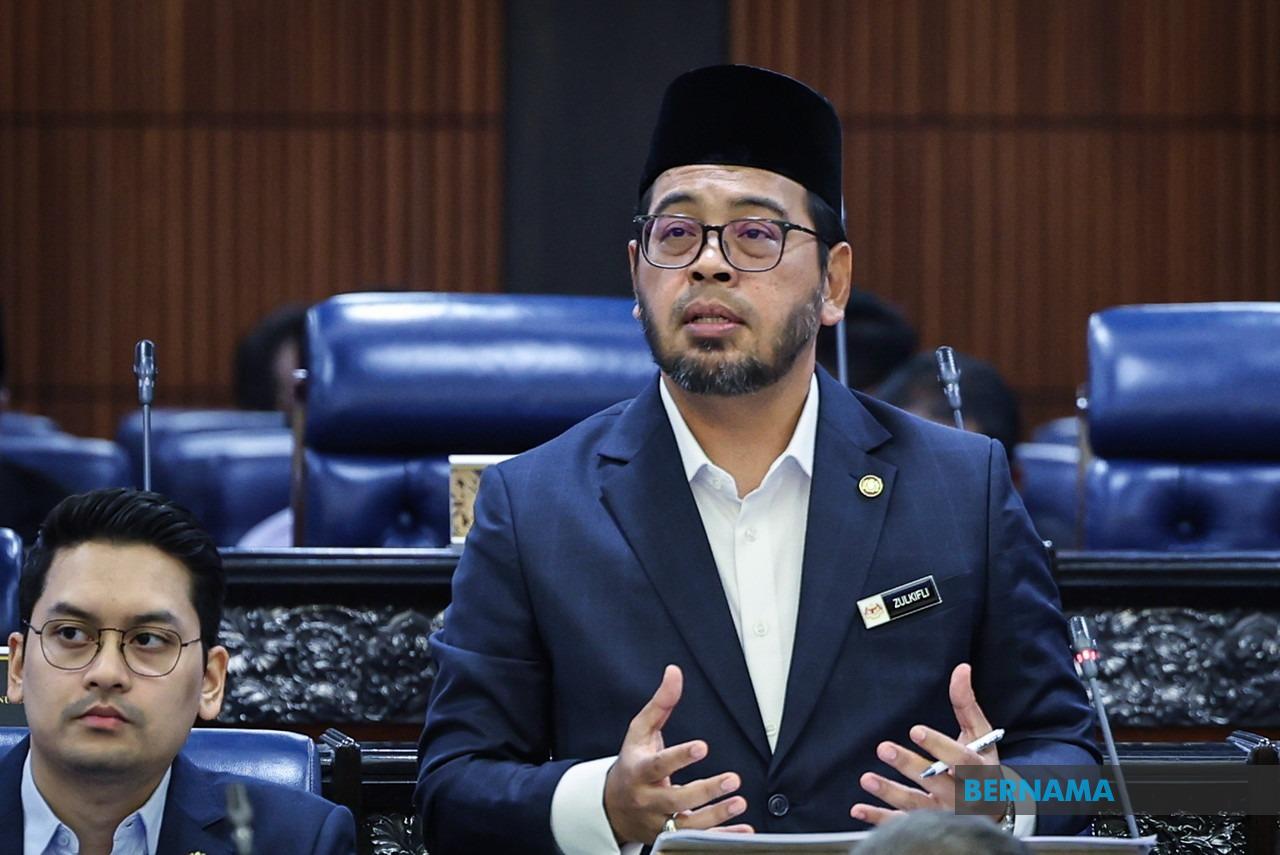
Malaysia's pilgrimage management institution, Tabung Haji (TH), has achieved substantial financial stabilization through a structured recovery programme launched in 2018, according to Minister in the Prime Minister's Department (Religious Affairs) Dr Zulkifli Hasan. Speaking during a parliamentary briefing on findings from the Royal Commission of Inquiry into the organisation's operations, Zulkifli outlined how systematic reforms across multiple operational areas have repositioned TH as a more resilient institution capable of serving Muslim Malaysians seeking to perform the haj.
The reform architecture rests upon nine foundational pillars that collectively address the organisation's historical vulnerabilities. Beyond the restoration of financial health, these reforms encompassed a deliberate overhaul of governance frameworks and accountability mechanisms to prevent the mismanagement that had previously compromised TH's standing. The initiative simultaneously prioritised the optimisation of investment portfolios to generate sustainable returns for depositors whose savings are held with the institution, reflecting recognition that TH functions as both a pilgrimage facilitator and a custodian of Muslim savings.
Central to the recovery strategy was ensuring that the accessibility of the haj pilgrimage remained within reach for Malaysia's Muslim population. This objective took on particular significance given the global inflationary pressures that have substantially elevated costs across the pilgrimage sector. By maintaining the standardised package fee at RM33,300 across three consecutive seasons spanning 2024 to 2026, TH has effectively shielded pilgrims from the full impact of rising international prices. This pricing stability is especially noteworthy considering that prices have escalated by 250 per cent since 2001, when Malaysia first introduced financial assistance mechanisms for would-be pilgrims.
The institution's success in absorbing cost pressures reflects sophisticated procurement and contract management strategies. Rather than passively accepting market rates for essential services, TH negotiated long-term air travel agreements to lock in competitive pricing, substantially buffering against airline cost increases that typically accompany inflationary cycles. The organisation similarly renegotiated accommodation arrangements in Islam's holiest cities, shifting from intermediary-based procurement models to direct negotiations with hotel proprietors. This supply-chain restructuring yielded meaningful savings despite the simultaneous requirement to upgrade facility standards and introduce enhanced services within Saudi Arabia for pilgrims.
Governance improvements have directly translated into measurable enhancements in operational performance and pilgrim satisfaction metrics. Recognition of these achievements manifested through TH's receipt of the Labaytum Diamond Award for two consecutive years, representing the fifth such recognition across all Labaytum award categories that the institution has earned. The Labaytum framework, which evaluates Islamic financial institutions against international standards, thus validates that TH's transformation extends beyond mere financial rehabilitation to encompass genuine operational excellence comparable with global benchmarks.
Zulkifli emphasised that the institutional restructuring was underpinned by a deliberate commitment to depoliticise operational decision-making, enabling professional management teams to execute strategy without inappropriate governmental interference. This separation between political oversight and administrative execution represents a critical governance principle that had apparently been compromised previously. By insulating professional leadership from undue pressure, TH created conditions whereby career experts could implement long-term strategic initiatives without susceptibility to short-term political considerations.
The recovery programme's multi-dimensional approach reflects understanding that TH's challenges were not merely financial in nature but systemic, encompassing leadership quality, institutional culture, risk management protocols, and stakeholder protection mechanisms. Asset and liability restructuring addressed the balance-sheet imbalances that had accumulated over preceding years, while simultaneously the organisation rebuilt depositor confidence through demonstrated commitment to protecting the interests and welfare of account holders. This dual focus on balance-sheet repair and stakeholder protection proved essential for restoring institutional legitimacy.
For Malaysia's broader Islamic finance ecosystem, TH's stabilisation carries significance beyond the institution itself. As one of the world's largest pilgrimage fund managers and a substantial Islamic financial actor, TH's operational health influences confidence in Islamic financial institutions domestically and regionally. The institution's turnaround therefore contributes to international perceptions of Malaysia's capacity to manage complex Islamic financial infrastructure responsibly. The recovery also demonstrates that institutional transformation remains achievable even when organisations face severe structural difficulties, provided that reforms address root causes systematically rather than through superficial adjustments.
The sustainability of these achievements remains contingent upon maintaining the governance disciplines and professional standards that underpinned the recovery programme. Zulkifli's emphasis on independence from political interference underscores awareness that institutional gains remain vulnerable to reversal if governance principles are subsequently compromised. The parliamentary briefing on the RCI report thus served not merely to celebrate past accomplishments but implicitly to establish expectations regarding the conduct standards that future leadership must maintain to preserve hard-won reforms.
Looking forward, TH faces the ongoing challenge of balancing competing objectives: maintaining haj affordability for economically diverse Muslim populations while generating investment returns sufficient for long-term institutional sustainability without excessive risk-taking. The achievement of holding the RM33,300 fee constant across three seasons while simultaneously improving service quality demonstrates that disciplined management can reconcile objectives that initially appear contradictory. Whether TH can perpetuate this balance through anticipated future inflationary cycles and evolving pilgrim expectations will substantially determine whether the institution's stabilisation proves durable or represents a temporary reprieve.

