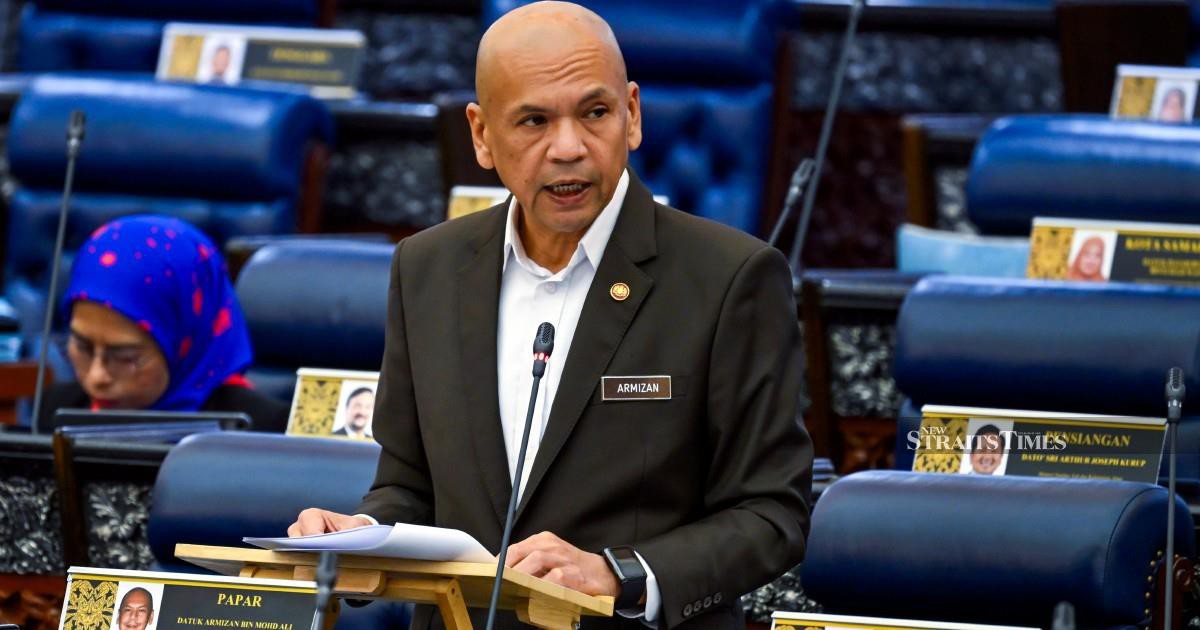
Parliamentary concern over the integrity of audit processes at Tabung Haji has intensified following the release of a Royal Commission of Inquiry report that challenges the credibility of financial statements previously vetted by government oversight bodies. The findings have prompted lawmakers to question how comprehensive audits approved for Cabinet presentation, parliamentary review and public release could have missed significant governance issues at the pilgrimage fund manager.
The RCI's conclusions represent a watershed moment in Malaysia's ongoing scrutiny of institutional financial controls, particularly within organisations handling public funds and religious endowments. Tabung Haji, which manages savings and investments for Malaysian Muslims preparing for the hajj pilgrimage, operates under heightened public accountability expectations given its role as custodian of sacred funds entrusted by millions of Malaysians over decades. The discovery of potential audit shortcomings has therefore triggered broader concerns about whether similar vulnerabilities might exist elsewhere within the public sector.
The convergence of external and internal audit functions typically provides layered protection against financial irregularities. When such a system appears to have faltered at Tabung Haji, it invites examination of the independence, resource allocation and professional pressures audit teams may have faced. Parliamentary members are now scrutinising whether auditors possessed sufficient autonomy to report concerns without interference, or whether institutional dynamics subtly discouraged the surfacing of problematic findings.
For Malaysian investors and account holders at Tabung Haji, the audit integrity questions carry immediate practical implications. Shareholders need assurance that their funds are managed according to stated investment strategies and risk parameters. If previous audit reports misrepresented the true financial position or performance of the institution, confidence in current reporting—regardless of how thorough—becomes difficult to restore. The reputational damage extends beyond Tabung Haji itself, potentially affecting public trust in audit certifications across the financial sector.
The RCI's investigative capacity to uncover issues that earlier audits apparently overlooked suggests either that auditors lacked access to relevant information, or that existing audit methodologies proved inadequate to identify the problems in question. This distinction matters significantly for regulatory response. If information asymmetry was the issue, stronger whistleblower protections and enhanced auditor access to records might suffice. If audit procedures themselves were deficient, more fundamental restructuring of how audits are conducted and overseen becomes necessary.
Parliamentary responsibility for scrutinising government-linked institutions means lawmakers share accountability for the governance failures RCI investigations often expose. When audit reports reach Parliament with apparent sign-offs from reputable audit firms, members must balance appropriate trust in professional standards against the obligation to ask probing questions. The Tabung Haji situation now serves as a cautionary reminder of that delicate equilibrium. Future parliamentary review of such reports may become more intensive and sceptical.
The Cabinet's reliance on audited financial statements when making policy decisions affecting Tabung Haji compounds the significance of audit quality. Ministers making strategic decisions regarding the institution's operations, investment mandates, or regulatory framework operate from information they expect to be reliable and complete. If audit reports understated risks or overstated financial health, Cabinet-level decisions may have been made on a defective factual foundation, potentially perpetuating or worsening underlying problems.
For Malaysia's regulatory agencies, the RCI report represents a wake-up call regarding oversight mechanisms for large fund management institutions. Bank Negara Malaysia, the Securities Commission, and other relevant authorities will likely review their supervisory expectations and monitoring protocols. This may lead to more frequent independent audits, surprise audit engagements, or enhanced requirements for auditors to report directly to regulators without passing through institution management first. Such reforms would tighten the feedback loop between auditors and authorities responsible for institutional stability.
The broader Southeast Asian context adds urgency to Malaysia's response. Other countries in the region managing large pilgrimage funds, religious endowments, or public savings schemes will be watching how thoroughly Malaysia addresses governance weaknesses at Tabung Haji. The credibility of Islamic financial institutions across ASEAN potentially hinges on how effectively each nation demonstrates commitment to audit integrity and financial transparency. Malaysia's handling of the Tabung Haji audit accountability issues will signal its seriousness about institutional reform to both domestic investors and regional financial partners.
Moving forward, audit committees overseeing major Malaysian institutions will face heightened expectations to engage substantively with auditors, challenge assumptions embedded in financial statements, and escalate concerns rapidly through proper channels. The comfortable assumption that external audit certification constitutes sufficient assurance for Cabinet and parliamentary deliberation can no longer stand unchallenged. Rebuilding public confidence in Tabung Haji and, by extension, in institutional audit processes generally requires demonstrable strengthening of independence, methodology, and consequence for audit failures that the RCI investigation has now highlighted.

